A relatively few number of new units are being built as a result of new laws aimed at boosting the housing supply.



A spate of California laws aimed at increasing the housing supply have had “limited to no impact,” according to an analysis by advocacy group YIMBY Law.
Despite several new laws that allow new types of residential construction and conversion, a combination of factors — including local opposition from NIMBY groups, high labor costs, and affordability mandates that limit developers’ profits — has kept hew housing production to a minimum, reports Ben Christopher in CALmatters.
Sky high interest rates, chronic shortages of construction workers and high material costs (all of which could be exacerbated by current or expected changes to federal tariff, immigration and fiscal policy) all work to make residential housing development a less appealing financial proposition. Insufficient public funds and expected cuts to federal housing programs may weigh down on the affordable housing sector too.
One exception to the rule: accessory dwelling units are growing in number after the state permitted them, with 28,000 ADU permits issued in 2023. This law, experts say, took about five years of retooling before it became effective. Cities used strategies such as offering pre-approved ADU plans to lower the cost of construction and streamline permitting for homeowners.
Read the full story: ‘Limited to no impact’: Why a pro-housing group says California’s pro-housing laws aren’t producing more
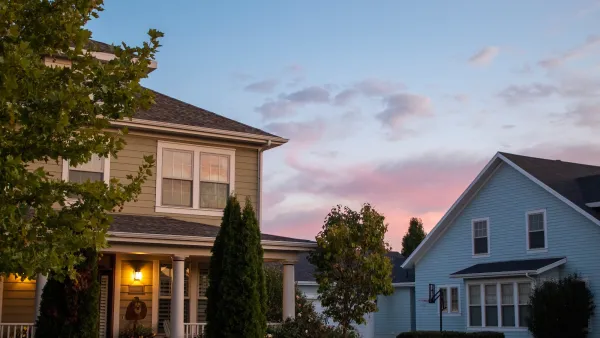
Salt Lake City Could Allow Backyard Homes on up to 3/4 of Residential Lots
A proposed zoning change would expand the residential areas where accessory units can be built.
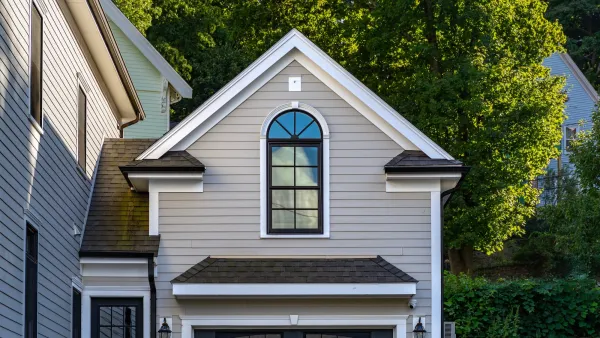
Massachusetts Zoning Reform Sparks ADU Surge
A 2024 law and a 2025 assistance program have spurred a flurry of ADU projects across the state.
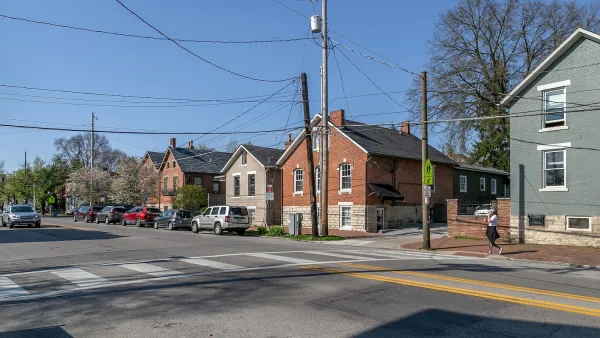
Columbus Introduces New Rules Allowing ADUs in all Residential Districts
The city’s recent zoning code updates include new rules for secondary housing units.

Planetizen Federal Action Tracker
A weekly monitor of how Trump’s orders and actions are impacting planners and planning in America.

California plans to bury El Niño’s downpour
If the state plays its cards right, it may be able to store a billion acre-feet of El Niño’s water in aquifers.

Desperate measures: Advocates weigh draining Lake Powell to fill Colorado River
Draining the reservoir could reduce evaporation losses by a couple hundred thousand acre-feet.

Housing is the top priority of Seattle’s sole new councilmember
Jenks campaigned on building 1,000 new units of affordable housing.

New tax cuts may slash $1.5 billion in funding for Miami transit, public parks
Amendment 3 will save Miami-Dade homeowners $2,700 in 2028.

Arizona, Wisconsin, Pennsylvania hope to finally advance climate goals post-midterms
The three states have spent years under Republican or divided control.

FREE Course: Walkable City 1: Why Walkability?
After describing his path towards focusing on walkability as the essence of good planning, Jeff Speck marches through his five principal reasons for making more walkable places.
Reinventing Malls: Planning Alchemy—Turning Gray Fields Into Gold
The course focuses on the opportunities and imperatives that shape reinvention of mall sites.

City of Rosemead
Rutgers University, Edward J. Bloustein School of Planning and Public Policy
One Hundred Miles
University of Michigan School for Environment and Sustainability (SEAS)
Hunter College, City University of New York (CUNY)
The Architects Foundation
City of Cambridge
Montrose County
The Pocatello Development Authority