To combat the epidemic of loneliness, Susan Henderson's evocative photos of “third places” reflect on how these spaces have evolved and their importance in fostering connection.


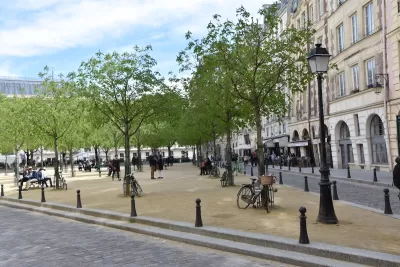
Henderson discusses the increasing issue of loneliness and emphasizes the importance of ‘third places’ — informal gathering spots like coffee shops, libraries, and parks — in fostering community connections. It references sociologist Ray Oldenburg's concept of third places as essential community anchors that encourage interaction and civic engagement. The decline of these spaces, due to factors like longer work hours and the rise of digital interactions, has contributed to social isolation.
Parks are highlighted as vital social hubs that offer accessible environments for both social and solitary activities, serving as egalitarian spaces that promote inclusion and well-being. The article underscores the need to revitalize downtown areas by integrating hybrid spaces and green areas to combat loneliness and enhance community resilience.
Key takeaways
Flexibility is key: Both third places and parks must adapt to evolving needs, offering opportunities for both physical and digital connection.
Parks are not a luxury: They’re essential public health infrastructure.
Downtowns need reimagining: Hybrid spaces, green integration, and public activation are critical to their recovery.
FULL STORY: Lost and Found: Fighting loneliness with parks and third places

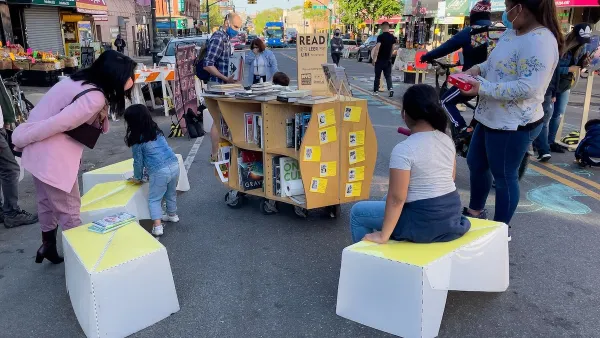
Third Spaces and Public Life
Public parks, libraries, and other social infrastructure foster community connections and stave off loneliness. Why are they increasingly deprioritized in civic life?
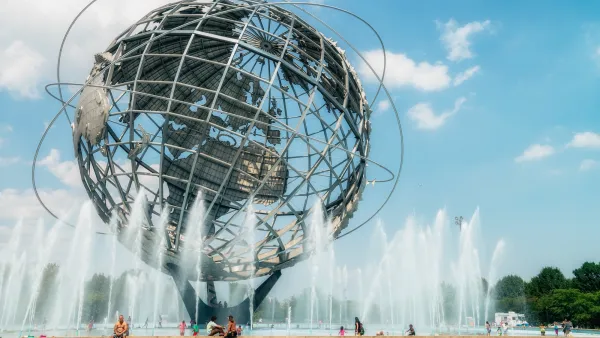
Historic Queens park is getting a $120M upgrade
The borough's largest park will undergo significant upgrades for accessibility, flood mitigation and historic preservation.
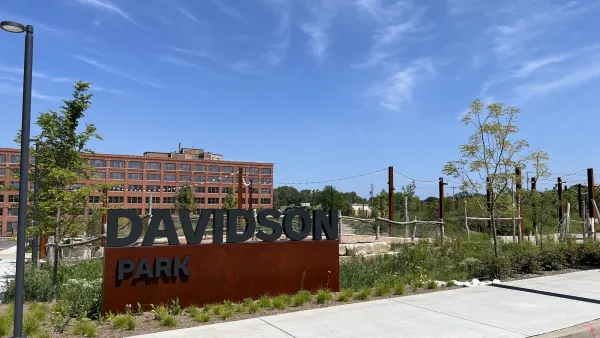
Harley-Davidson turned a Milwaukee parking lot into a green oasis
The park, adjacent to Harley-Davidson headquarters, doubles as stormwater retention infrastructure.

The state-sanctioned urbicide of Austin
People don’t kill cities. Freeways do.

US to reduce Colorado River water deliveries to Mexico
A new Colorado Treaty amendment reduces Mexico’s Colorado River water allocation by 250,000 acre feet.

New Jersey’s second-largest city bans standalone data centers
Jersey City will continue to allow co-location facilities, such as those meant for research institutions that store their own data.

Amtrak not solely to blame for New Jersey commuter rail's unreliability, report finds
A new study from the Garden State Initiative found that NJ Transit’s budget grew 20% across a 4 year period, but reliability declined significantly over the same period.

EPA erases limits on planet-warming pollution from power plants
Under Monday’s plan, power plants would still have some limits on how much mercury, arsenic and other contaminants they can emit.

Phoenix announces new on-demand transit service, more frequent RAPID buses
Both new services will launch in October, and are part of Phoenix's Project Effective Access Solutions for Easing Congestion.

FREE Course: Walkable City 1: Why Walkability?
After describing his path towards focusing on walkability as the essence of good planning, Jeff Speck marches through his five principal reasons for making more walkable places.
Reinventing Malls: Planning Alchemy—Turning Gray Fields Into Gold
The course focuses on the opportunities and imperatives that shape reinvention of mall sites.

Eagle County Government
Harvard University Graduate School of Design
Nashville Planning Department
The Architects Foundation
University of Cincinnati Online
The Pocatello Development Authority
The Urban Renewal Agency of the City of Pocatello
Journal of the American Planning Association