New ways of measuring the effects of sound on human health are helping communities fight back against noise pollution.


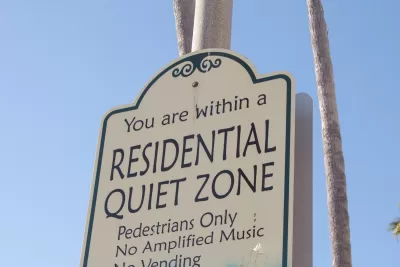
“Research is finding noise exposure has implications for cardiovascular and cognitive health. Yet, unlike other environmental stressors, noise has not been a major factor in community planning,” writes Elizabeth Hewitt in Reasons to be Cheerful.
Noise can trigger a stress response, the same system that signals when our bodies are in danger. It has been linked to issues like hypertension, heightened risk of heart disease and impaired cognitive functioning. It can cause sleep issues and contribute to mental health conditions like anxiety and depression.
Now, cities in Europe and the United States are starting to map noise levels to understand where dangerous sound levels exist and how to better protect people living and working nearby. In Paris, the city has sought to crack down on loud vehicles using sensors and cameras that can issue fines to offenders. Lower speed limits can also reduce vehicle noise, as will the growth of electric vehicles.
Researchers hope that new methods of studying and quantifying the impact of noise on human health can help communities get the mitigation measures and protection they need.
FULL STORY: The Curative Power of Quieter Cities

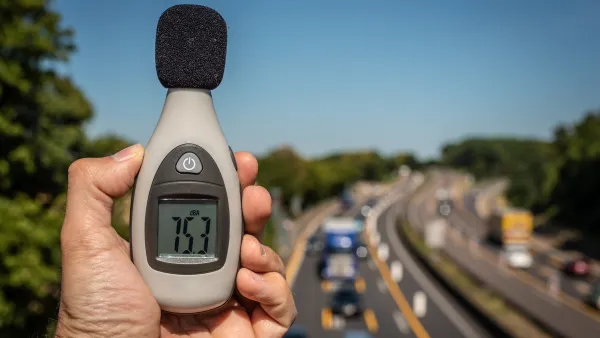
The Case Against Noise Pollution
A detailed description of how noise impacts health and wellbeing.
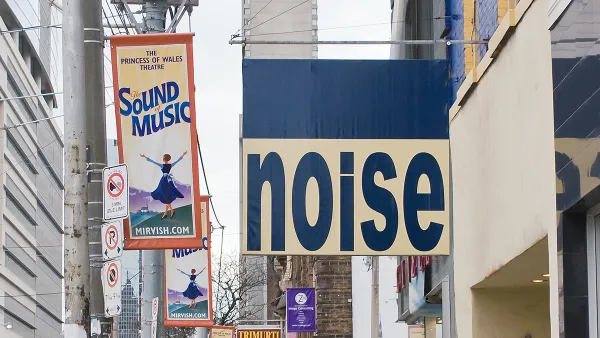
Using Tech to Control Noise Pollution
Several cities are piloting programs that use machine learning to identify and understand urban noise patterns and enforce noise ordinances.

When Noise Is a Matter of Life and Death
The world is noisier than ever, and the long-term effects of exposure are serious. Still, noise pollution isn’t considered a legitimate environmental hazard.

Planetizen Federal Action Tracker
A weekly monitor of how Trump’s orders and actions are impacting planners and planning in America.

The state-sanctioned urbicide of Austin
People don’t kill cities. Freeways do.

US to reduce Colorado River water deliveries to Mexico
A new Colorado Treaty amendment reduces Mexico’s Colorado River water allocation by 250,000 acre feet.

Mamdani overhauls NYC's Vision Zero plan with 100 new policy goals
The overhaul aims to reduce traffic deaths and make streets safer for pedestrians, cyclists and drivers through lower speed limits, new safety infrastructure and more.

Amtrak not solely to blame for New Jersey commuter rail's unreliability, report finds
A new study from the Garden State Initiative found that NJ Transit’s budget grew 20% across a 4 year period, but reliability declined significantly over the same period.

EPA erases limits on planet-warming pollution from power plants
Under Monday’s plan, power plants would still have some limits on how much mercury, arsenic and other contaminants they can emit.

FREE Course: Walkable City 1: Why Walkability?
After describing his path towards focusing on walkability as the essence of good planning, Jeff Speck marches through his five principal reasons for making more walkable places.
Reinventing Malls: Planning Alchemy—Turning Gray Fields Into Gold
The course focuses on the opportunities and imperatives that shape reinvention of mall sites.

Eagle County Government
Harvard University Graduate School of Design
Nashville Planning Department
The Architects Foundation
University of Cincinnati Online
The Pocatello Development Authority
The Urban Renewal Agency of the City of Pocatello
Journal of the American Planning Association