In addition to electrifying the fleet, San Francisco Bay Ferry and the Port of San Francisco are building new facilities to connect more communities to the ferry system.


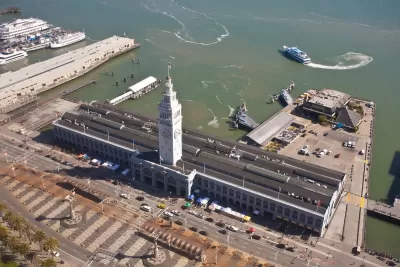
The U.S. Environmental Protection Agency has awarded the San Francisco Bay Ferry and Port of San Francisco a $55 million grant to build an electric 400-passenger ship, a new terminal, and other electrification infrastructure that will pave the way for a fully electric ferry network.
As James Salazar explains in the San Francisco Examiner, “The Mission Bay Ferry Landing, which has been in the works since 2016, will connect travelers to spaces in the neighborhood, like Agua Vista Park. Elected officials said constructing the terminal will make it convenient for Bay Area residents to get to places like concerts and Golden State Warriors basketball games at Chase Center, or even UCSF’s Mission Bay campus.” The project will also create new connections for neighborhoods that currently don’t have easy access to the waterfront.
San Francisco Bay Ferry also used a federal grant received in September to purchase three electric 150-passenger vessels. “Designs and permits for the 400-passenger vessel and the Mission Bay ferry landing are both finalized, [Port of San Francisco executive director Elaine Forbes] said, meaning that all San Francisco Bay Ferry will have to do is order the float and build the landing.”
FULL STORY: Feds give $55M to finalize electric SF Bay Ferry fleet

A Watershed Moment for Ferries in the San Francisco Bay Area
With BART showing its age and struggling to meet growing demand, water-borne vehicles a potential panacea for transit in the San Francisco Bay Area?
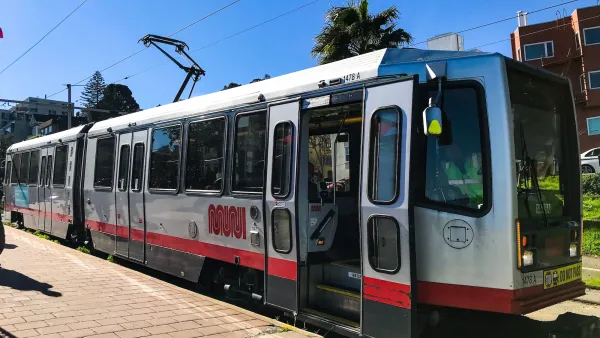
San Francisco cyclists push to allow bikes on Muni trains
The agency is one of few that bans bikes from its trains due to space constraints.
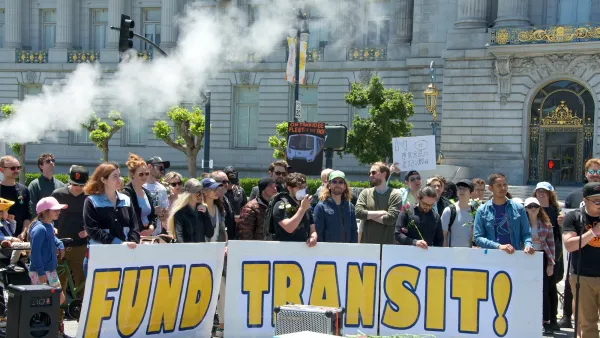
BART approves 2027 budget with no cuts, banking on November ballot measure for new funding
The Bay Area transit agency hopes to move forward without service cuts or fare increases.

Planetizen Federal Action Tracker
A weekly monitor of how Trump’s orders and actions are impacting planners and planning in America.

The state-sanctioned urbicide of Austin
People don’t kill cities. Freeways do.

US to reduce Colorado River water deliveries to Mexico
A new Colorado Treaty amendment reduces Mexico’s Colorado River water allocation by 250,000 acre feet.

5 New England states march closer to 800 megawatt wind energy project
Securing federal approval for the project may be complicated under the Trump administration, which has historically been hostile towards domestic wind power.

Baltimore to break ground on $50 million Transit Priority Project
The project will bring faster bus trips, safer streets and better bike connections to Baltimore.

Airbnb launches $250 million 'last-dollar financing' housing accelerator, makes first investment in Austin
The company will put $6.4 million towards affordable housing development in Texas’ capital.

FREE Course: Walkable City 1: Why Walkability?
After describing his path towards focusing on walkability as the essence of good planning, Jeff Speck marches through his five principal reasons for making more walkable places.
Reinventing Malls: Planning Alchemy—Turning Gray Fields Into Gold
The course focuses on the opportunities and imperatives that shape reinvention of mall sites.

Eagle County Government
Harvard University Graduate School of Design
Nashville Planning Department
The Architects Foundation
University of Cincinnati Online
The Pocatello Development Authority
The Urban Renewal Agency of the City of Pocatello
Journal of the American Planning Association