Sound Transit is moving forward with a proposed route despite severe cost overruns, throwing other major rail projects into question.


Sound Transit revealed higher-than-expected projected cost overruns for the West Seattle Link Extension project, reports Ryan Packer in The Urbanist, but the Sound Transit board indicated it would continue to support the project without considering alternative options. The project is now estimated to cost as much as $7.1 billion, close to $3 billion more than initial projections.
According to Packer, “Even as the agency touts internal reforms that it says could bring some of these cost increases down to more manageable levels and help Sound Transit regain some ground, there are storm clouds brewing when it comes to the affordability of the entire Sound Transit 3 program.”
Packer outlines other potential options that could save the agency money, such as the Elevated Fauntleroy Way alternative, which could reduce costs by as much as $850 million. But according to Sound Transit CEO Goran Sparrman, “The reality is that the kind of cost escalation we’re seeing on the preferred alignment, that is a largely [sic] driven by broader market forces, so I don’t know that we would expect to see significant lower cost in any other alternatives.”
For Packer, the cost increases pose a broader question about the future of the ST3 program and the Ballard Link project, a ‘sister project’ to the West Seattle extension that could cost $11.2 billion.
FULL STORY: Sound Transit Board Forges Ahead on West Seattle Link Despite Cost Jumps

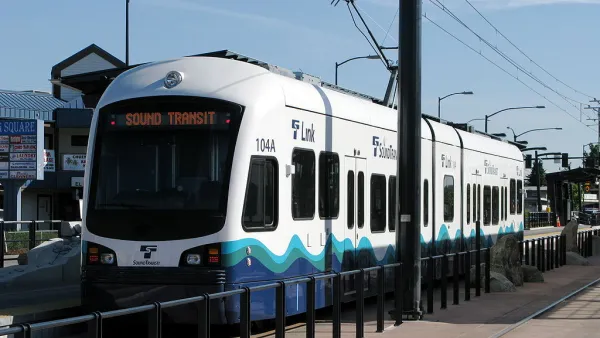
Sound Transit Facing Major Budget Shortfall for Light Rail Projects
Since voters approved a measure expanding Seattle's light rail network, construction and land costs have soared, adding billions to the projected price tag.
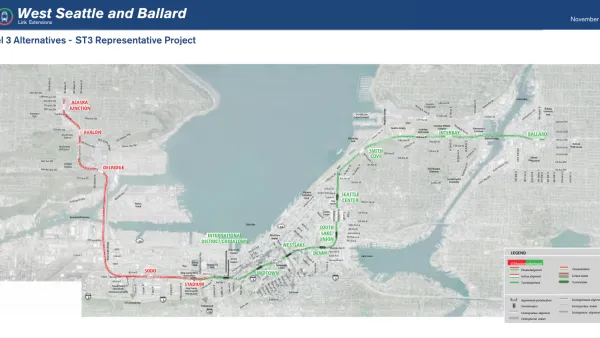
Alternatives Explored for West Seattle and Ballard Light Rail Extensions
Plans to extend the Sound Transit light rail system are moving forward. Elected officials have a big choice to make that will determine the cost and scope of the projects.
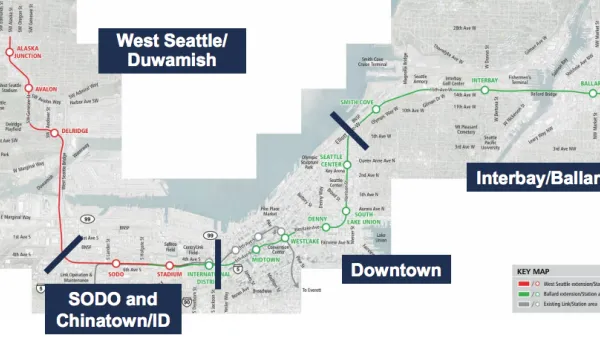
Light Rail Extensions in the Works in Seattle
Seattle transit planners are working on a light rail extensions to West Seattle and Ballard, and trying to figure out which development alternatives are worth the cost.

The state-sanctioned urbicide of Austin
People don’t kill cities. Freeways do.

US to reduce Colorado River water deliveries to Mexico
A new Colorado Treaty amendment reduces Mexico’s Colorado River water allocation by 250,000 acre feet.

New Jersey’s second-largest city bans standalone data centers
Jersey City will continue to allow co-location facilities, such as those meant for research institutions that store their own data.

Amtrak not solely to blame for New Jersey commuter rail's unreliability, report finds
A new study from the Garden State Initiative found that NJ Transit’s budget grew 20% across a 4 year period, but reliability declined significantly over the same period.

EPA erases limits on planet-warming pollution from power plants
Under Monday’s plan, power plants would still have some limits on how much mercury, arsenic and other contaminants they can emit.

Phoenix announces new on-demand transit service, more frequent RAPID buses
Both new services will launch in October, and are part of Phoenix's Project Effective Access Solutions for Easing Congestion.

FREE Course: Walkable City 1: Why Walkability?
After describing his path towards focusing on walkability as the essence of good planning, Jeff Speck marches through his five principal reasons for making more walkable places.
Reinventing Malls: Planning Alchemy—Turning Gray Fields Into Gold
The course focuses on the opportunities and imperatives that shape reinvention of mall sites.

Eagle County Government
Harvard University Graduate School of Design
Nashville Planning Department
The Architects Foundation
University of Cincinnati Online
The Pocatello Development Authority
The Urban Renewal Agency of the City of Pocatello
Journal of the American Planning Association