New climate and flood models are needed to understand growing flood risks.


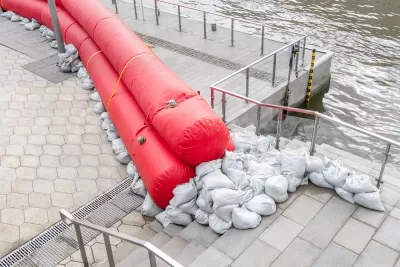
A ‘new normal’ of flooding and extreme weather events is prompting cities around the country to reevaluate their water infrastructure and flood risk models, writes Carl Smith in Governing. Smith notes that “floods are the most common and widespread weather-related disasters. Estimates of their annual cost range from $180 billion to $496 billion a year.”
Daniel Swain, a University of California, Los Angeles climate scientist, says “Virtually all of the infrastructure that we have built was built for a climate that no longer exists.” To address this, a new report from the US Water Alliance, Water Rising: Equitable Approaches to Urban Flooding, identifies priority areas for resilience and equity planning and encourages cities to assess their own local challenges and infrastructure.
In Hampton, Virginia, the Hampton Roads Sanitation District (HRSD) produced a report that highlights risks and resources in the region, offering local officials “an opportunity to look at exposure to climate hazards among the more than 150 facilities in the HRSD system and possible floodwater levels now and in the future.”
According to Swain, “Localities must gather and heed this kind of data as they plan for infrastructure improvements.” Mami Hara, CEO of the US Water Alliance, suggests a more regional approach to water infrastructure, such as a “regional resilience entity that brings together water and climate issues.”
Read the full story: Planning for a Daunting New Normal of Flood Risk


How US Communities Are Building Resilience Against Flooding
Flooding causes over $400 billion in damage in the United States every year.
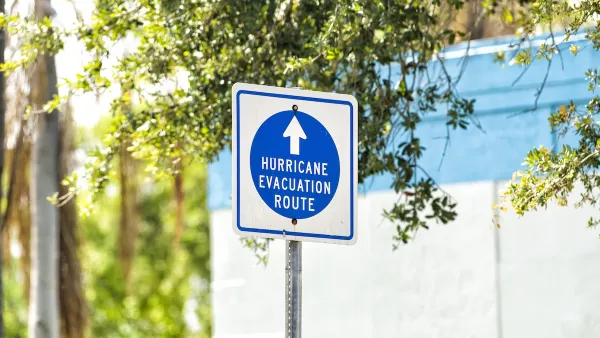
Will Hurricanes Drive Away Florida’s Retirees?
Some children of Florida retirees are urging their parents to leave hurricane-prone areas for safer regions.
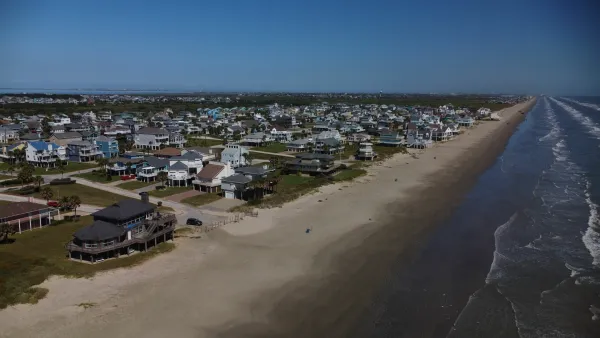
Looking for a Beach House? Check Your Risk First.
A new report from the insurance industry names the historic town of Galveston, Texas as the riskiest place to buy a beach house in the United States.

‘Going backwards:’ Baltimore mayor, students rally against state's transit funding plan
Maryland's proposed six-year plan provides no funding for Baltimore’s BMORE bus program and reduces its road maintenance funding.

Detroit to transform waterfront with $2.2 billion investment
Developers will convert about 18 acres of unused parking lot space into civic spaces.

HUD modernizes 50-year-old manufactured housing framework
The Next Generation Manufactured Housing Action Plan establishes new energy-efficiency standards for manufactured homes, and new guidelines for anchoring them.

After $600,000 wasted, CA high-speed rail board limits CEO’s power
Ian Choudri will no longer be able to sign, change or manage contracts.

Lithium mines leech water from surrounding communities. Soon, they’ll run dry
Researchers concluded that most lithium mines won't have enough water to meet industry demands by 2050.

El Niño takes lives, infrastructure as U.S. storm systems prove ill-prepared
About two-thirds of America's culverts are in states with outdated design standards.

FREE Course: Walkable City 1: Why Walkability?
After describing his path towards focusing on walkability as the essence of good planning, Jeff Speck marches through his five principal reasons for making more walkable places.
Reinventing Malls: Planning Alchemy—Turning Gray Fields Into Gold
The course focuses on the opportunities and imperatives that shape reinvention of mall sites.

One Hundred Miles
County of Mendocino
planning NEXT
The Architects Foundation
University of Cincinnati Online
Montrose County
Northern Illinois Transit Authority (NITA)
The Pocatello Development Authority