A comprehensive new website provides information on why and how to improve community walkability and offers practical tools for evaluating walking conditions.


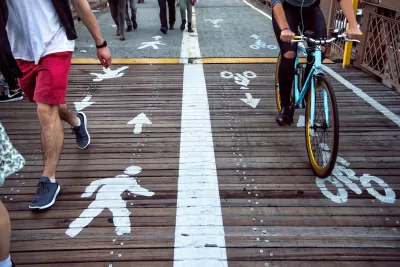
Walkability is a crucial first step in creating sustainable transportation in an urban environment.
Effectively understanding and measuring the complex ecology of walkability has proven challenging for many organizations and governments, given the various levels of policy-making and implementation involved. In the past, Western and Eurocentric standards have permeated measurement attempts and have included data collection practices that are too complicated to have utility in many parts of the world or at a level beyond that of the neighborhood.
To expand the measurement of walkability to more places and to promote a better understanding of walkability, the Institute for Transportation and Development Policy (ITDP) has developed the Pedestrians First online toolkit. This tool will facilitate the understanding and measurement of the features that promote walkability in urban environments around the world at multiple levels. With a better global understanding of walkability, and more consistent and frequent measurement of the walkability of urban environments, decision-makers will be empowered to enact policies that create more walkable urban areas.
FULL STORY: Pedestrians First: Tools for a Walkable City

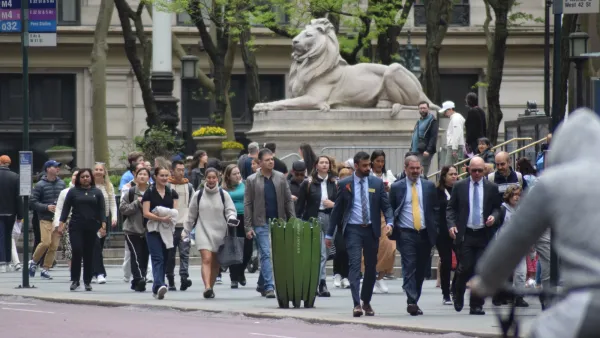
See the First Complete Map of NYC Walking Traffic
A new model of pedestrian routes and activity can help NYC planners make more informed decisions about transportation infrastructure and pedestrian safety improvements.
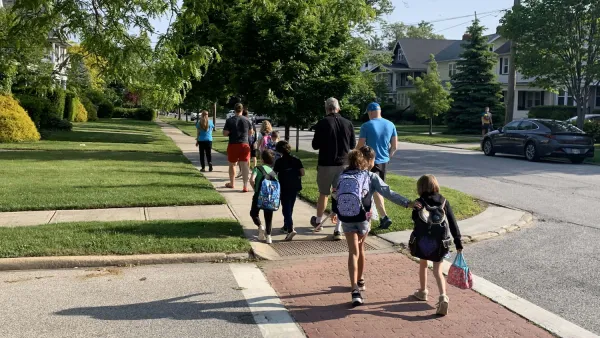
An Ohio School District is Known for its Walkability. A District Overhaul is Jeopardizing That.
Lakewood plans to close some schools and consolidate students to a centralized early education center, eliminating years of work that created safe walking routes to neighborhood schools.

Why Jeff Speck is a “Zoning Abolitionist”
Decades into his career, the walkability guru has learned a thing or two.

Planetizen Federal Action Tracker
A weekly monitor of how Trump’s orders and actions are impacting planners and planning in America.

The state-sanctioned urbicide of Austin
People don’t kill cities. Freeways do.

US to reduce Colorado River water deliveries to Mexico
A new Colorado Treaty amendment reduces Mexico’s Colorado River water allocation by 250,000 acre feet.

5 New England states march closer to 800 megawatt wind energy project
Securing federal approval for the project may be complicated under the Trump administration, which has historically been hostile towards domestic wind power.

Baltimore to break ground on $50 million Transit Priority Project
The project will bring faster bus trips, safer streets and better bike connections to Baltimore.

Airbnb launches $250 million 'last-dollar financing' housing accelerator, makes first investment in Austin
The company will put $6.4 million towards affordable housing development in Texas’ capital.

FREE Course: Walkable City 1: Why Walkability?
After describing his path towards focusing on walkability as the essence of good planning, Jeff Speck marches through his five principal reasons for making more walkable places.
Reinventing Malls: Planning Alchemy—Turning Gray Fields Into Gold
The course focuses on the opportunities and imperatives that shape reinvention of mall sites.

Eagle County Government
Harvard University Graduate School of Design
Nashville Planning Department
The Architects Foundation
University of Cincinnati Online
The Pocatello Development Authority
The Urban Renewal Agency of the City of Pocatello
Journal of the American Planning Association