Supporters of the proposed bond say the measure will have more success in the future.



A state bond that would have raised $20 billion for affordable housing in the San Francisco Bay Area was pulled from the ballot until at least 2026, according to an article by Ben Christopher in the Alameda Post.
“This comes just two months after the board voted unanimously to place the borrowing plan on this year’s ballot. The money would have been used to fund the construction and preservation of subsidized housing across the region. Bay Area homeowners would have paid back the debt through property taxes,” Christopher adds.
Board members expressed regret at the decision, but “The change of heart was born out of concerns about the public’s appetite for costly new measures, a pending lawsuit against the regional bond and worry about another measure on the ballot, Proposition 5,” which would lower the threshold for housing and infrastructure bonds to 55 percent, making it easier to pass such bonds in the future. “An earlier effort in the Legislature to put a statewide housing bond fizzled earlier this year, shunted aside by two competing borrowing measures focused on climate change and school facilities.”
FULL STORY: California’s Largest-Ever Affordable Housing Bond Pulled from Ballot

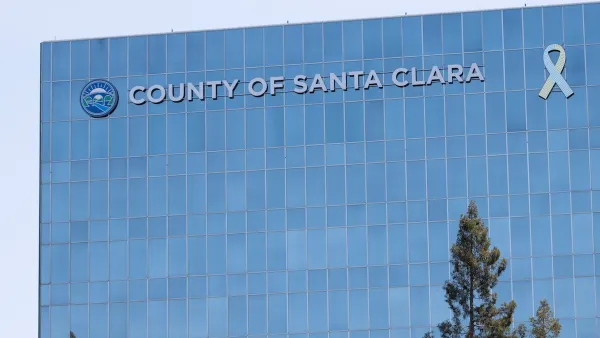
Santa Clara County Dedicates Over $28M to Affordable Housing
The county is funding over 600 new affordable housing units via revenue from a 2016 bond measure.
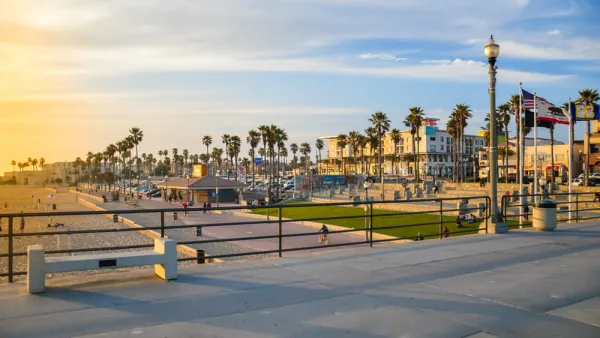
Opinion: California Should Invest In Housing, Not Dubious Desalination Projects
A controversial desalination plant in Orange County could receive massive state subsidies, but advocates argue the money would be better spent on affordable housing projects to relieve the state's housing crisis.
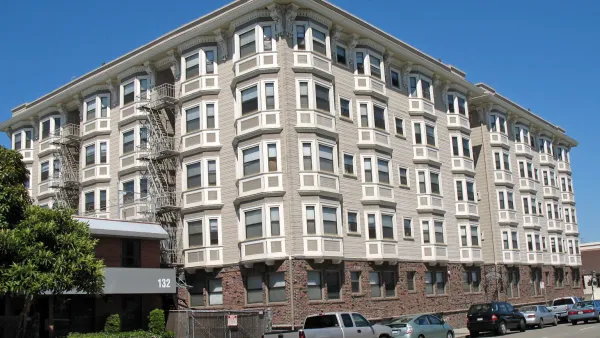
New California Bond Program Promotes Affordability for Middle-Income Renters
The California Statewide Communities Development Authority hopes that a new program, which helps cities purchase rental properties with no upfront cost, will lead to an increase in affordable middle-income housing.

Planetizen Federal Action Tracker
A weekly monitor of how Trump’s orders and actions are impacting planners and planning in America.

The state-sanctioned urbicide of Austin
People don’t kill cities. Freeways do.

US to reduce Colorado River water deliveries to Mexico
A new Colorado Treaty amendment reduces Mexico’s Colorado River water allocation by 250,000 acre feet.

Brightline West’s future may rely on $6 billion federal loan
The company has until Nov. 2 to make a $400 million equity investment into its proposed high-speed rail line.

LA Metro’s ultimatum: no extra buses for LA28 if federal funding isn’t imminently secured
If Metro does not provide additional buses, LA28 organizers will have to find a new way to manage Olympic traffic. LA28’s budget does not include a line item for transit.

Colorado’s Largest Data Center Could Rise Next to Homes — Without a Public Hearing
The proposed campus would consume 11 times the power of Denver International Airport; as it has across the country, opposition mounts.

FREE Course: Walkable City 1: Why Walkability?
After describing his path towards focusing on walkability as the essence of good planning, Jeff Speck marches through his five principal reasons for making more walkable places.
Reinventing Malls: Planning Alchemy—Turning Gray Fields Into Gold
The course focuses on the opportunities and imperatives that shape reinvention of mall sites.

Eagle County Government
Harvard University Graduate School of Design
Nashville Planning Department
The Architects Foundation
University of Cincinnati Online
The Pocatello Development Authority
The Urban Renewal Agency of the City of Pocatello
Journal of the American Planning Association