The unprecedented climate settlement compels the state's transportation department to achieve zero emissions by 2045, marking a significant victory for climate justice and constitutional rights.


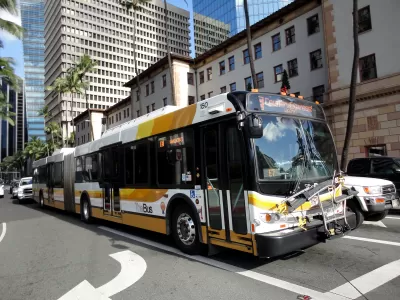
A groundbreaking legal settlement in Hawaii, driven by 13 young climate activists, mandates the state's Department of Transportation to achieve zero emissions across all transportation modes by 2045. The settlement emerged from the 2022 lawsuit, Navahine F v. Hawaii Department of Transportation, which argued that the state's prioritization of fossil fuel-based transportation projects violated the constitutional rights of the plaintiffs to a clean and healthful environment. Hawaii Governor Josh Green lauded the activists for mobilizing the state toward aggressive climate action, emphasizing the importance of this legally binding commitment to transforming Hawaii's transportation infrastructure.
The historic agreement will require Hawaii officials to devise a comprehensive roadmap to fully decarbonize ground, sea, and inter-island air transportation. The legal settlement is a significant win in the broader movement for Indigenous and youth-led climate activism, particularly as it integrates young people into advisory roles to ensure the state's adherence to the zero-emissions target. This effort is part of a wider national push for food and climate sovereignty, with states like Montana achieving similar legal victories that underscore the constitutional right to a clean environment.
Despite Hawaii's progressive climate policies, including goals to decarbonize its power sector by 2045 and make state vehicles carbon-free by 2035, recent years have seen setbacks in emissions reductions. The new settlement, however, is expected to catalyze substantial progress by holding the state accountable through judicial oversight until the zero-emission goals are met. The cooperative nature of this agreement, involving diverse stakeholders from government officials to young activists, exemplifies a unified approach necessary for addressing the climate crisis in Hawaii's unique island context.
FULL STORY: Youth activists win ‘unprecedented’ climate settlement in Hawaii

EPA Guts Emissions Regulations
The agency is eliminating the endangerment finding that underpins the agency’s authority to regulate greenhouse gas emissions.

House Moves to Rescind California’s Emissions Standards
The state has been allowed to set its own emissions goals, including a mandate to transition to electric or zero-emissions vehicles by 2035.

NRDC Releases State Transportation Scorecard
The Getting Transportation Right report highlights which states are making the most progress on reducing transportation emissions and improving access to clean transportation options.

Planetizen Federal Action Tracker
A weekly monitor of how Trump’s orders and actions are impacting planners and planning in America.

The state-sanctioned urbicide of Austin
People don’t kill cities. Freeways do.

US to reduce Colorado River water deliveries to Mexico
A new Colorado Treaty amendment reduces Mexico’s Colorado River water allocation by 250,000 acre feet.

5 New England states march closer to 800 megawatt wind energy project
Securing federal approval for the project may be complicated under the Trump administration, which has historically been hostile towards domestic wind power.

Baltimore to break ground on $50 million Transit Priority Project
The project will bring faster bus trips, safer streets and better bike connections to Baltimore.

Airbnb launches $250 million 'last-dollar financing' housing accelerator, makes first investment in Austin
The company will put $6.4 million towards affordable housing development in Texas’ capital.

FREE Course: Walkable City 1: Why Walkability?
After describing his path towards focusing on walkability as the essence of good planning, Jeff Speck marches through his five principal reasons for making more walkable places.
Reinventing Malls: Planning Alchemy—Turning Gray Fields Into Gold
The course focuses on the opportunities and imperatives that shape reinvention of mall sites.

Eagle County Government
Harvard University Graduate School of Design
Nashville Planning Department
The Architects Foundation
University of Cincinnati Online
The Pocatello Development Authority
The Urban Renewal Agency of the City of Pocatello
Journal of the American Planning Association