How urban forest managers are preparing urban tree canopies for tomorrow’s climates.



In an article for Grist and republished in Wired, Laura Hautala highlights a little-discussed crisis facing urban trees as climate change shifts the balance of local ecosystems. “The world is warming too quickly for arboreal adaptation, said Manuel Esperon-Rodriguez, an ecologist at Western Sydney University who researches the impact of climate change on trees. That’s especially true of native trees.”
Consequently, maintaining urban tree canopies means planting for the future — and considering non-native options while avoiding major impacts on local plant and animal species. “To find solutions, researchers are studying which trees could do better than those currently struggling in rapidly warming cities, with an eye toward species that have already adapted to drier regions hundreds or even thousands of miles away.”
Urban arborists must carefully balance the environmental and cultural reasons to retain native trees with the need to plant more resilient species that will thrive into the future. “Done right, adding some variety to cities dominated by one kind of tree could reduce the problems caused by waves of pests or disease. A patchwork of species could create a buffer against tree-to-tree infection among the same species.”
Read the full story: Only the Hardiest Trees Can Survive Today’s Urban Inferno

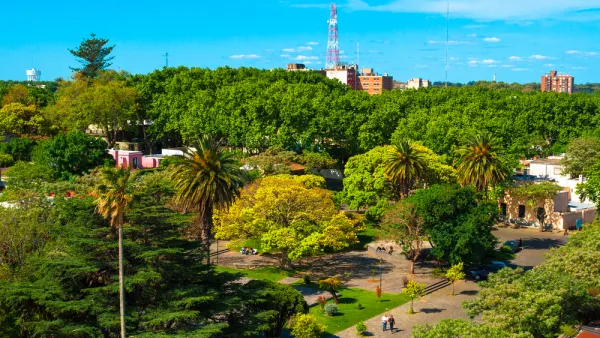
How the Phoenix Tree Canopy Affects Urban Temperatures
As extreme weather intensifies, cities are using trees to mitigate the effects of climate change and reduce energy consumption.
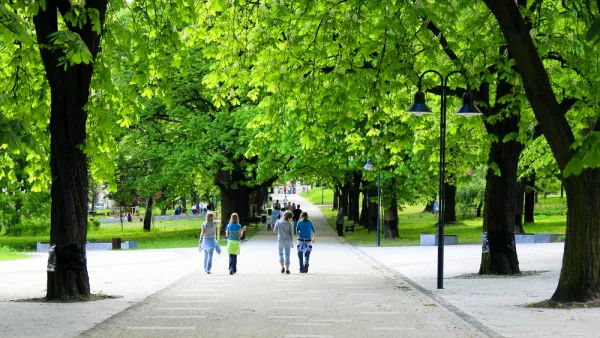
The Problem with Tree Planting Programs
Ambitious campaigns to plant trees in urban areas often don't take into account the complexities of growing and maintaining effective urban forests.
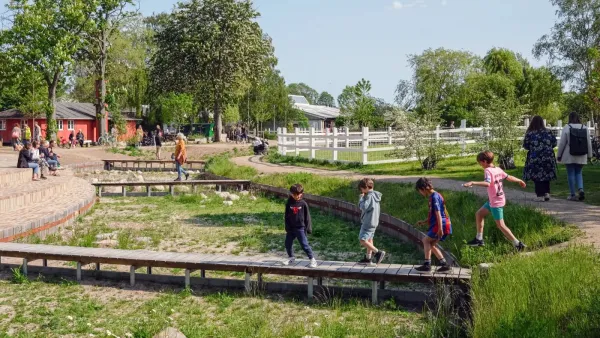
Copenhagen is losing its cool
In a city long designed to maximize light during dark Scandinavian winters, climate change is forcing the Danish capital to rethink its relationship with the sun.

Planetizen Federal Action Tracker
A weekly monitor of how Trump’s orders and actions are impacting planners and planning in America.

The state-sanctioned urbicide of Austin
People don’t kill cities. Freeways do.

Colorado’s Largest Data Center Could Rise Next to Homes — Without a Public Hearing
The proposed campus would consume 11 times the power of Denver International Airport; as it has across the country, opposition mounts.
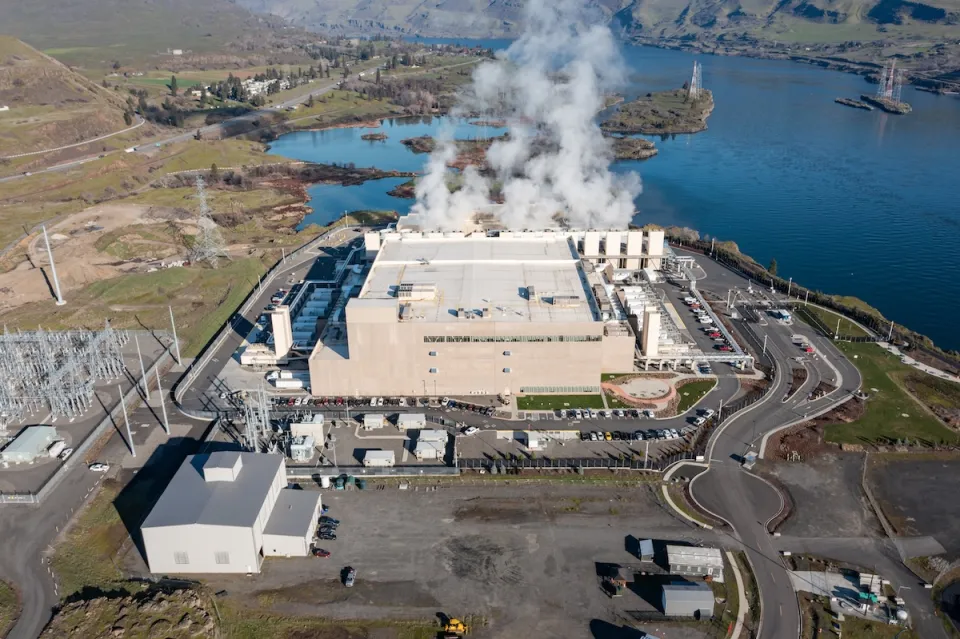
Data centers are consuming nearly 25% of Oregon’s power
The state has 111 data centers, with 32 more either planned or under construction.

A third of Texas cities must update their zoning codes to comply with new housing law
Texas municipalities are now required to allow manufactured housing in at least one residential zoning district.

Nation's most wind-powered state turns to coal as data centers increase energy demand
For the first time in decades, Iowa has increased its generation of coal power.

FREE Course: Walkable City 1: Why Walkability?
After describing his path towards focusing on walkability as the essence of good planning, Jeff Speck marches through his five principal reasons for making more walkable places.
Reinventing Malls: Planning Alchemy—Turning Gray Fields Into Gold
The course focuses on the opportunities and imperatives that shape reinvention of mall sites.

Greater Baltimore Committee
Eagle County Government
Harvard University Graduate School of Design
The Architects Foundation
University of Cincinnati Online
The Pocatello Development Authority
The Urban Renewal Agency of the City of Pocatello
Journal of the American Planning Association