Smaller lot sizes for single-family homes can make construction more affordable and homeownership available to more households.


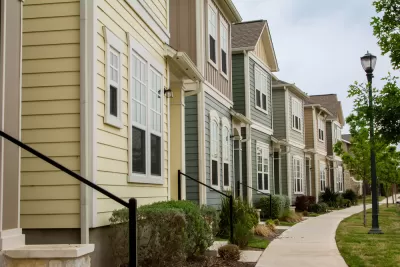
The Austin City Council voted to reduce the city’s minimum lot size for single-family homes as part of its effort to make housing construction more affordable and encourage gentle density increases. As Joshua Fechter notes in The Texas Tribune, the new lot size rule reduces minimum lot size from 5,750 square feet to 1,800 square feet. “The council also voted to allow apartment buildings to be built closer to single-family homes and denser development along a planned light-rail line,” acknowledging that successful transit and housing density go hand in hand.
As Austin housing prices skyrocketed during the pandemic, city officials found themselves able to push through more housing reforms than were possible before. A reform package dubbed “Home Options for Mobility and Equity” (HOME) makes significant zoning changes to encourage housing production, but “Resistance to the reforms runs deep among some neighborhood groups, anti-gentrification activists and the city’s old guard of environmentalists, all of whom have long opposed efforts to boost Austin’s overall housing density.”
FULL STORY: Austin will now allow homes on smaller lots in bid to fight housing affordability crisis


Pittsburgh Mayor Proposes Zoning Changes to Curb Housing Shortage
The mayor’s plan includes legalizing ADUs in single-family neighborhoods, eliminating parking requirements, and adding new affordability requirements to buildings with over 20 units.

Austin Lot Size Changes Could Make Homes More Affordable
Land acquisition makes up 15 to 20 percent of the cost of an average home in the Austin area.
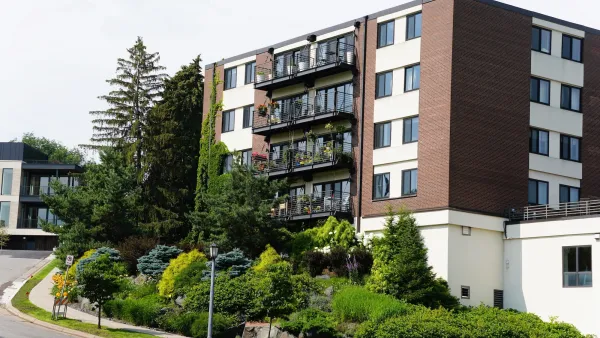
How policy changes helped Minneapolis beat rent inflation
Despite a boom in population, Minneapolis has managed to keep rents relatively steady through a combination of legislative action and private investment.

The state-sanctioned urbicide of Austin
People don’t kill cities. Freeways do.

US to reduce Colorado River water deliveries to Mexico
A new Colorado Treaty amendment reduces Mexico’s Colorado River water allocation by 250,000 acre feet.

New Jersey’s second-largest city bans standalone data centers
Jersey City will continue to allow co-location facilities, such as those meant for research institutions that store their own data.

Amtrak not solely to blame for New Jersey commuter rail's unreliability, report finds
A new study from the Garden State Initiative found that NJ Transit’s budget grew 20% across a 4 year period, but reliability declined significantly over the same period.

EPA erases limits on planet-warming pollution from power plants
Under Monday’s plan, power plants would still have some limits on how much mercury, arsenic and other contaminants they can emit.

Phoenix announces new on-demand transit service, more frequent RAPID buses
Both new services will launch in October, and are part of Phoenix's Project Effective Access Solutions for Easing Congestion.

FREE Course: Walkable City 1: Why Walkability?
After describing his path towards focusing on walkability as the essence of good planning, Jeff Speck marches through his five principal reasons for making more walkable places.
Reinventing Malls: Planning Alchemy—Turning Gray Fields Into Gold
The course focuses on the opportunities and imperatives that shape reinvention of mall sites.

Eagle County Government
Harvard University Graduate School of Design
Nashville Planning Department
The Architects Foundation
University of Cincinnati Online
The Pocatello Development Authority
The Urban Renewal Agency of the City of Pocatello
Journal of the American Planning Association