SROs are making a comeback under a new name as the housing supply remains strained and costs soar.


The concept of rooming houses, otherwise known as single room occupancy units (SROs), is making a return under the guise of ‘micro-apartments,’ report Halie Golden and Claire Rush for the Associated Press. Nearly one quarter of renters nationwide are ‘extremely low-income,’ according to a report from the National Low Income Housing Coalition.
As more renters look to ultra-small units to cut costs, states like Oregon and Washington are enacting laws to make micro-apartments easier to build. The Washington bill requires cities to allow micro-apartments in multifamily housing with six or more units.
Popular in the early 20th century, SROs fell out of favor in recent decades when poor maintenance and associations with poverty led to more restrictive zoning laws that kept them out of many neighborhoods.
Housing advocates warn that, while micro-apartments offer one option for single residents and small families, affordable housing policy must also include larger units to accommodate larger families.
FULL STORY: Micro-apartments are back after nearly a century, as need for affordable housing soars


The Return of Rooming Houses
Popular in the early 20th century, the rooming house fell out of favor, with the type now banned in many cities. With no end to the housing crisis in sight, cities are rethinking their regulation of this affordable housing option.

Report: Just 17% of Gen Z Americans Own Homes
The number of Gen Z renters grew from 700,000 to 4.4 million in the last five years.
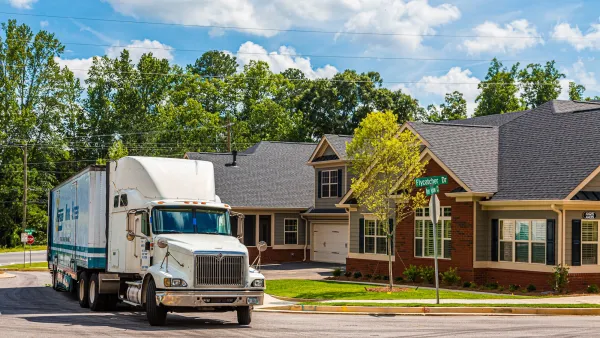
Atlanta Suburbs are Legislating Against Corporate Landlords
Before President Trump took up the cause, Atlanta-area municipalities sounded the alarm on institutional housing investors.

Planetizen Federal Action Tracker
A weekly monitor of how Trump’s orders and actions are impacting planners and planning in America.

The state-sanctioned urbicide of Austin
People don’t kill cities. Freeways do.

US to reduce Colorado River water deliveries to Mexico
A new Colorado Treaty amendment reduces Mexico’s Colorado River water allocation by 250,000 acre feet.

5 New England states march closer to 800 megawatt wind energy project
Securing federal approval for the project may be complicated under the Trump administration, which has historically been hostile towards domestic wind power.

Baltimore to break ground on $50 million Transit Priority Project
The project will bring faster bus trips, safer streets and better bike connections to Baltimore.

Airbnb launches $250 million 'last-dollar financing' housing accelerator, makes first investment in Austin
The company will put $6.4 million towards affordable housing development in Texas’ capital.

FREE Course: Walkable City 1: Why Walkability?
After describing his path towards focusing on walkability as the essence of good planning, Jeff Speck marches through his five principal reasons for making more walkable places.
Reinventing Malls: Planning Alchemy—Turning Gray Fields Into Gold
The course focuses on the opportunities and imperatives that shape reinvention of mall sites.


Eagle County Government
Harvard University Graduate School of Design
Nashville Planning Department
The Architects Foundation
University of Cincinnati Online
The Pocatello Development Authority
The Urban Renewal Agency of the City of Pocatello
Journal of the American Planning Association