And how transportation decisions could more effectively prioritize safety.


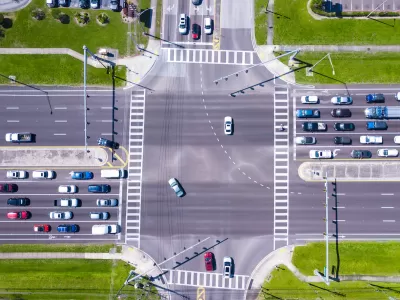
Writing in Streetsblog San Francisco, Roger Rudick describes the view of a transportation engineer working in the Netherlands, who says the American approach to transportation engineering contributes to our high number of road deaths and poor pedestrian infrastructure.
According to transportation engineer Steffen Berr, “the American transportation system is fundamentally broken because ‘transportation engineering’ is a specialty within civil engineering when it's really a separate field. They think ‘transportation engineering is just where the paint goes. They don't know what transportation infrastructure actually is.’”
For Berr, “It's why cities continue to widen streets or refuse to implement lane reductions that would actually reduce traffic congestion.” And “It's why American DOTs violate fundamental principles of safety, such as isolating the largest vehicles from the smallest and most vulnerable to the extent it's possible, and limiting speed with infrastructure wherever it's not.”
Berr says it’s not that the Dutch don’t complain about loss of parking. But engineers there take a more collectivist approach. Berr says “his responsibility as a European transportation engineer is to provide a street for everyone, not one for car throughput and parking, with every other consideration made secondary.”
FULL STORY: American-Dutch Engineer Calls Out Root Problem with American DOTs

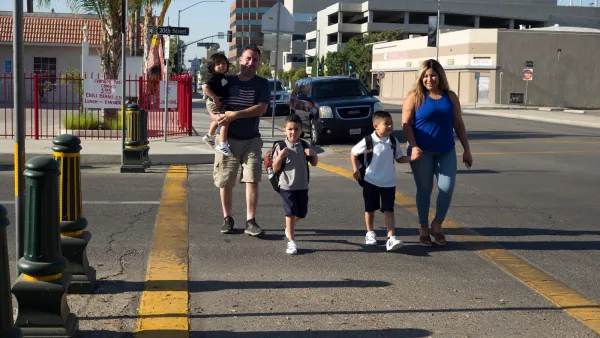
Sunbelt Cities Rank Lowest in Nation for Street Safety
Cities with low road safety rankings are overwhelmingly newer and located in the South and Southwest.
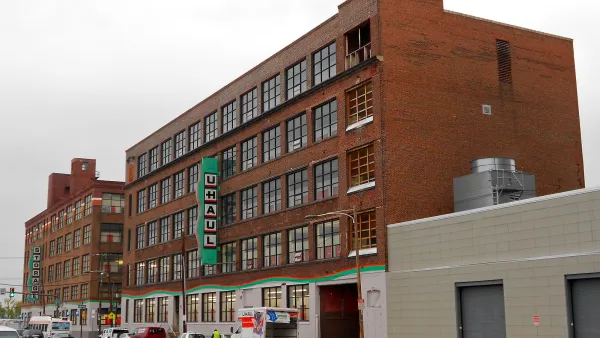
Why a Complete Streets Makeover Went Awry in Philadelphia
The city pulled the plug on a proposed street redesign after community groups criticized the public engagement process for not listening to all local voices.
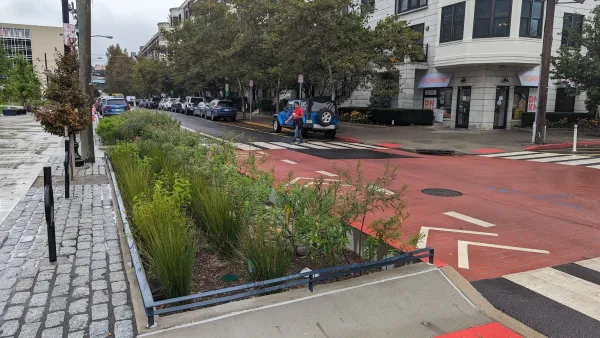
Hoboken's $20 Vision Zero fix
The New Jersey city eliminated traffic deaths for the last nine years in a row.

The state-sanctioned urbicide of Austin
People don’t kill cities. Freeways do.

US to reduce Colorado River water deliveries to Mexico
A new Colorado Treaty amendment reduces Mexico’s Colorado River water allocation by 250,000 acre feet.

New Jersey’s second-largest city bans standalone data centers
Jersey City will continue to allow co-location facilities, such as those meant for research institutions that store their own data.

Amtrak not solely to blame for New Jersey commuter rail's unreliability, report finds
A new study from the Garden State Initiative found that NJ Transit’s budget grew 20% across a 4 year period, but reliability declined significantly over the same period.

EPA erases limits on planet-warming pollution from power plants
Under Monday’s plan, power plants would still have some limits on how much mercury, arsenic and other contaminants they can emit.

Phoenix announces new on-demand transit service, more frequent RAPID buses
Both new services will launch in October, and are part of Phoenix's Project Effective Access Solutions for Easing Congestion.

FREE Course: Walkable City 1: Why Walkability?
After describing his path towards focusing on walkability as the essence of good planning, Jeff Speck marches through his five principal reasons for making more walkable places.
Reinventing Malls: Planning Alchemy—Turning Gray Fields Into Gold
The course focuses on the opportunities and imperatives that shape reinvention of mall sites.

Eagle County Government
Harvard University Graduate School of Design
Nashville Planning Department
The Architects Foundation
University of Cincinnati Online
The Pocatello Development Authority
The Urban Renewal Agency of the City of Pocatello
Journal of the American Planning Association