The experiment could become the largest renewable energy grid of its kind.


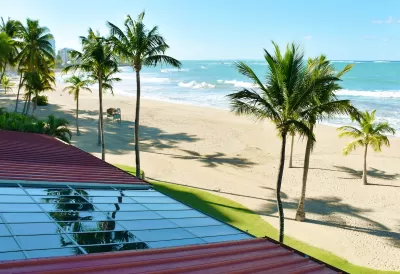
A pilot program in Puerto Rico could create the largest renewable energy ‘virtual’ grid in North America. “The yearlong pilot, launched late last year by Puerto Rico’s utility Luma Energy, will pull power from up to 6,500 households during energy shortages. It is part of a transformational effort to modernize a deteriorating grid and transition to clean energy,” explains Gabriela Aoun Angueira in a Grist article republished in Next City.
The system utilizes “virtual power plants,” or VPPs, which can include home batteries, heat pumps, or water heaters that can contribute to the grid in an emergency. “Virtual power plants, or VPPs, are networks of distributed energy resources — like home batteries, electric water heaters, or heat pumps — that can help the grid.” The program connects batteries from household rooftop solar panels to the grid, providing an alternate power source when other energy sources go offline.
“The Department of Energy is promoting them as a way of addressing the anticipated growth in energy demand in the coming years.” Households that contribute can decide how much energy to keep in their reserve and get paid to let the rest supplement the grid when needed.
FULL STORY: Puerto Rico Is Using Residents’ Home Batteries To Back Up Its Grid

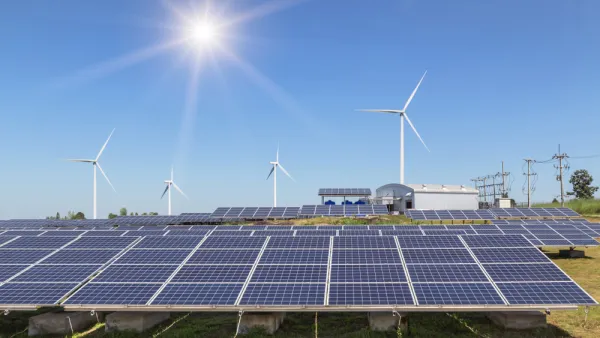
Federal Rule Update to Speed Clean Energy Approvals
A regulatory change at the federal level will shorten the time it takes clean energy projects to gain approval and start providing energy to the grid.
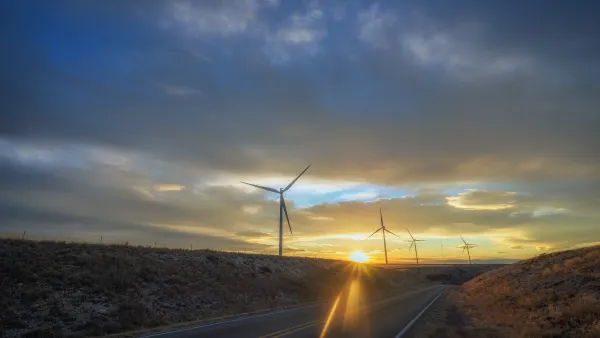
New Power Transmission Line Approved in the Southwest
The proposed transmission line will transfer wind-produced power from New Mexico to cities in Arizona and California.
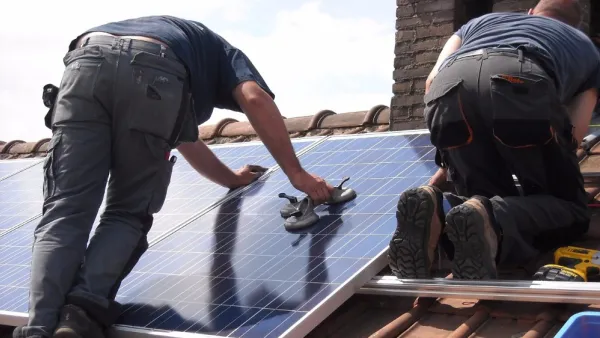
California Could Drastically Cut Solar Incentives
Rooftop solar customers in California could face higher costs and reduced incentives if a proposed overhaul of the state's solar program is approved by the Public Utilities Commission.

Planetizen Federal Action Tracker
A weekly monitor of how Trump’s orders and actions are impacting planners and planning in America.

The state-sanctioned urbicide of Austin
People don’t kill cities. Freeways do.

US to reduce Colorado River water deliveries to Mexico
A new Colorado Treaty amendment reduces Mexico’s Colorado River water allocation by 250,000 acre feet.

5 New England states march closer to 800 megawatt wind energy project
Securing federal approval for the project may be complicated under the Trump administration, which has historically been hostile towards domestic wind power.

Baltimore to break ground on $50 million Transit Priority Project
The project will bring faster bus trips, safer streets and better bike connections to Baltimore.

Airbnb launches $250 million 'last-dollar financing' housing accelerator, makes first investment in Austin
The company will put $6.4 million towards affordable housing development in Texas’ capital.

FREE Course: Walkable City 1: Why Walkability?
After describing his path towards focusing on walkability as the essence of good planning, Jeff Speck marches through his five principal reasons for making more walkable places.
Reinventing Malls: Planning Alchemy—Turning Gray Fields Into Gold
The course focuses on the opportunities and imperatives that shape reinvention of mall sites.

Eagle County Government
Harvard University Graduate School of Design
Nashville Planning Department
The Architects Foundation
University of Cincinnati Online
The Pocatello Development Authority
The Urban Renewal Agency of the City of Pocatello
Journal of the American Planning Association