A European study measured ambient air and groundwater temperatures in underground parking garages and found that the heat generated by these structures could potentially power thousands of households.


A new study highlights the untapped resource that is emanating from underground parking garages, writes Prachi Patel in Anthropocene Magazine. “Cars parked in underground parking lots throw off so much heat that it warms up groundwater beneath them. This wasted energy could be enough to supply over 14,600 households with heat in Berlin alone, researchers report in the journal Science of the Total Environment.”
Using the heat for other purposes would also benefit biodiversity by protecting species sensitive to temperature rise and limiting bacterial growth caused by higher water temperatures.
The researchers used heat sensors in 31 underground garages in Germany, Austria, and Switzerland to measure ambient air and groundwater temperature. The study also indicated that “Public underground car parks heat up the groundwater more than private facilities as they are often deeper and the cars park there for shorter periods of time.”
“Integrating heat pumps into existing ventilation systems might be a way to utilize this waste heat energy from underground parking lot air, the researchers say.”
FULL STORY: Parking garages are a huge wasted heat source

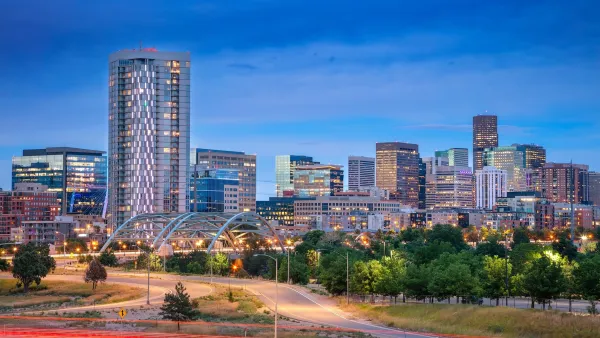
Denver is building a sewage-powered thermal energy network
A proposed thermal energy network will harness heat from the earth and from wastewater to power renewable heating and cooling systems.

Report: U.S. Renewable Energy Production Rising Sharply
The proportion of energy produced by renewable sources in the United States has almost quadrupled in the last decade.

Luxury condo owners fight robotaxis in the most San Francisco conflict ever
Waymos parking in a condo building's garage are causing headaches as they get stuck and block other cars from exiting.

The state-sanctioned urbicide of Austin
People don’t kill cities. Freeways do.

US to reduce Colorado River water deliveries to Mexico
A new Colorado Treaty amendment reduces Mexico’s Colorado River water allocation by 250,000 acre feet.

New Jersey’s second-largest city bans standalone data centers
Jersey City will continue to allow co-location facilities, such as those meant for research institutions that store their own data.

Amtrak not solely to blame for New Jersey commuter rail's unreliability, report finds
A new study from the Garden State Initiative found that NJ Transit’s budget grew 20% across a 4 year period, but reliability declined significantly over the same period.

EPA erases limits on planet-warming pollution from power plants
Under Monday’s plan, power plants would still have some limits on how much mercury, arsenic and other contaminants they can emit.

Phoenix announces new on-demand transit service, more frequent RAPID buses
Both new services will launch in October, and are part of Phoenix's Project Effective Access Solutions for Easing Congestion.

FREE Course: Walkable City 1: Why Walkability?
After describing his path towards focusing on walkability as the essence of good planning, Jeff Speck marches through his five principal reasons for making more walkable places.
Reinventing Malls: Planning Alchemy—Turning Gray Fields Into Gold
The course focuses on the opportunities and imperatives that shape reinvention of mall sites.

Eagle County Government
Harvard University Graduate School of Design
Nashville Planning Department
The Architects Foundation
University of Cincinnati Online
The Pocatello Development Authority
The Urban Renewal Agency of the City of Pocatello
Journal of the American Planning Association