A proposed plan to build a new city in the Bay Area is light on details and heavy on idyllic renderings.


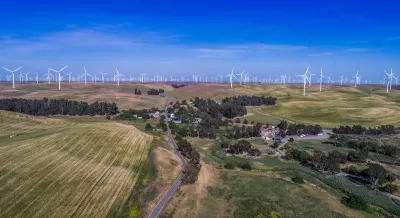
A newly revealed set of AI-generated (and occasionally impossible) renderings provide a vague vision of a proposed new city backed by tech financing.
But as Kyle Barr points out in Gizmodo, “You don’t have to stray too far into science fiction or comic book tales to find examples of megalomaniacal tech businessmen creating their own ‘utopian’ metropolises, before—inevitably—everything goes to hell.”
The renderings provided by California Forever, the parent company of project developer Flannery Associates, “show a sunny green town sitting amid rolling hills, farms, and windmills. The text describes a walkable city with solar farms, open land, and ‘good-paying local jobs.’ The company even says it’s ‘also interested’ in looking at ways to support homeownership using down-payment assistance,” according to an article by Wes Davis in The Verge. But “The website is otherwise pretty light on details about the city itself, with no specifics about a population, its size, or how it will sustain itself.”
Barr’s Gizmodo article adds, “Flannery Associates said it has purchased more than 50,000 acres in eastern Solano County since 2018. Previous reports showed the company spent more than $800 million buying up parcels of farmland in the Bay Area from Fairfield all the way to Rio Vista, though up until now there had been little to no communication from the company about why, and what the hell they planned to build.”
The project would still need approval from local officials and would require a ballot initiative to permit development on land zoned for agriculture.
FULL STORY: ‘California Forever’ website touts the city tech billionaires are trying to build

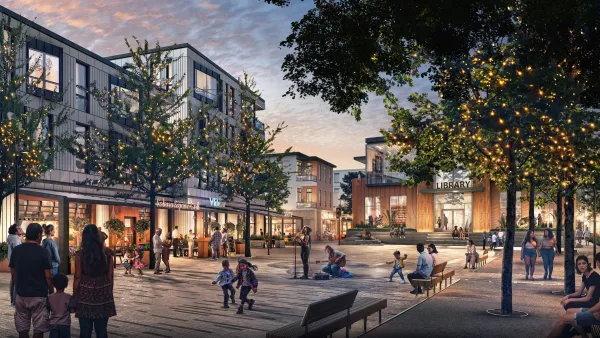
Tech investors lobby to bypass environmental review for 'California Forever' project
The backers of a proposed new community in the California Bay Area want the state to approve an 18-year-old environmental review that would let them go ahead with a major shipyard project.

‘California Forever’ Withdraws Ballot Measure
The company will delay taking its high-tech planned community proposal to Solano County voters to conduct an environmental impact report and work with the city on zoning changes.
Why California Should Not, Cannot Solve Its Housing Crisis By Building New Cities
A recent essay advocates for the development of a new city in California to alleviate the state's housing crisis. The argument needs a few tweaks.

The state-sanctioned urbicide of Austin
People don’t kill cities. Freeways do.

US to reduce Colorado River water deliveries to Mexico
A new Colorado Treaty amendment reduces Mexico’s Colorado River water allocation by 250,000 acre feet.

New Jersey’s second-largest city bans standalone data centers
Jersey City will continue to allow co-location facilities, such as those meant for research institutions that store their own data.

Amtrak not solely to blame for New Jersey commuter rail's unreliability, report finds
A new study from the Garden State Initiative found that NJ Transit’s budget grew 20% across a 4 year period, but reliability declined significantly over the same period.

EPA erases limits on planet-warming pollution from power plants
Under Monday’s plan, power plants would still have some limits on how much mercury, arsenic and other contaminants they can emit.

Phoenix announces new on-demand transit service, more frequent RAPID buses
Both new services will launch in October, and are part of Phoenix's Project Effective Access Solutions for Easing Congestion.

FREE Course: Walkable City 1: Why Walkability?
After describing his path towards focusing on walkability as the essence of good planning, Jeff Speck marches through his five principal reasons for making more walkable places.
Reinventing Malls: Planning Alchemy—Turning Gray Fields Into Gold
The course focuses on the opportunities and imperatives that shape reinvention of mall sites.

Eagle County Government
Harvard University Graduate School of Design
Nashville Planning Department
The Architects Foundation
University of Cincinnati Online
The Pocatello Development Authority
The Urban Renewal Agency of the City of Pocatello
Journal of the American Planning Association