Buying a house through the Sears catalog was, for a brief historical moment, a popular and affordable way to become a homeowner.


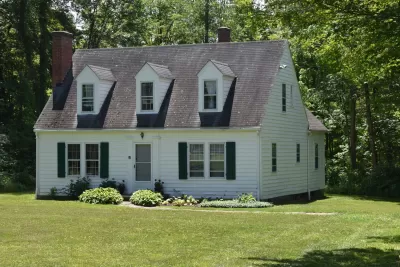
In an article in Fast Company, Adele Peters wonders why the Sears catalog homes popular in the early 20th century are no longer an affordable housing option. “When a $1.1 million Craftsman house in Boulder, Colorado, was first built in 1923, the materials came from a Sears catalog kit that cost $1,797, or the equivalent of around $32,000 today. Even with the extra cost of buying land, adding a foundation, plumbing, electricity, and potentially hiring a construction crew—though the house could technically be put together yourself, Ikea-style—it might have cost a total of around $64,000 in today’s dollars, a fraction of what it costs to build or buy a house now.”
As Peters notes, this wasn’t due to a lack of quality, either. “Sears used high-quality materials, and a century later, people still want to buy the houses. What made it economically possible for the company to offer this type of kit house then—and is it possible to do it today?” This was due in part to lower material costs, pre-fabrication and bulk purchasing, and the fact that many of the buyers built the home themselves.
So what are the challenges to replicating the success of the Sears catalog home now? “Large companies now could replicate that scale in prefab factories, but there are other challenges. Modern houses have more features that add to the cost—including insulation, energy-efficient windows, and new safety features.” Moreover, zoning regulations and building codes decided at the local level make it difficult to mass-produce homes that would pass every locality’s requirements.
Zoning reforms that lead to more permissive codes and state-level zoning changes can bring back the market for pre-fabricated homes. The concept is already popular with organizations building emergency shelter housing and vacation rentals. Some cities, such as Los Angeles, have developed a set of pre-approved designs for accessory dwelling units (ADUs), an increasingly popular tool for boosting the housing supply.
FULL STORY: A Sears house today should cost $32,000. Why can’t you buy one?


San Diego wants to limit upzoning law to just 16% of transit-adjacent parcels
The city's planning director says some areas are unfit for immediate upzoning due to a lack of resources or hazards such as wildfire risk.
Five simple zoning changes that any city can make to increase housing affordability
Zoning for more affordable housing is not rocket science, says Donald Elliot, author of "An Even Better Way to Zone." Here’s his five-step guide to getting started.
Charleston Creates ‘Workforce Housing District’ With Permanent Affordability
The city has a goal of adding 3,500 new housing units by 2032.

The state-sanctioned urbicide of Austin
People don’t kill cities. Freeways do.

US to reduce Colorado River water deliveries to Mexico
A new Colorado Treaty amendment reduces Mexico’s Colorado River water allocation by 250,000 acre feet.

New Jersey’s second-largest city bans standalone data centers
Jersey City will continue to allow co-location facilities, such as those meant for research institutions that store their own data.

Amtrak not solely to blame for New Jersey commuter rail's unreliability, report finds
A new study from the Garden State Initiative found that NJ Transit’s budget grew 20% across a 4 year period, but reliability declined significantly over the same period.

EPA erases limits on planet-warming pollution from power plants
Under Monday’s plan, power plants would still have some limits on how much mercury, arsenic and other contaminants they can emit.

Phoenix announces new on-demand transit service, more frequent RAPID buses
Both new services will launch in October, and are part of Phoenix's Project Effective Access Solutions for Easing Congestion.

FREE Course: Walkable City 1: Why Walkability?
After describing his path towards focusing on walkability as the essence of good planning, Jeff Speck marches through his five principal reasons for making more walkable places.
Reinventing Malls: Planning Alchemy—Turning Gray Fields Into Gold
The course focuses on the opportunities and imperatives that shape reinvention of mall sites.

Eagle County Government
Harvard University Graduate School of Design
Nashville Planning Department
The Architects Foundation
University of Cincinnati Online
The Pocatello Development Authority
The Urban Renewal Agency of the City of Pocatello
Journal of the American Planning Association