In Chuck Wolfe's latest piece on downtown recovery for GeekWire, he proposes revisiting a multifaceted ‘third place’ agenda as a focus for downtown recovery.


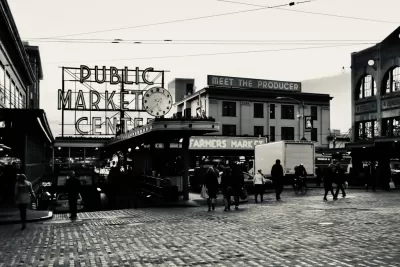
Wolfe recalls the long tradition of the third place concept, re-upping its relevance post-pandemic to define a recovery agenda:
According to urban sociologist Ray Oldenburg, third places and their criteria are essential for creating a sense of belonging, identity, civic engagement, and diversity in a city. More recently, they are identified with environmental sustainability if they are accessible by foot, bike, or public transit. Post-pandemic they can help transcend times of isolation with renewed social encounters; after lockdowns and social distancing, we need them even more.
He offers several international examples, from recalibration of downtown malls to community social enterprises, as well as interior green spaces, specific artisanal hubs, tech incubator centers, and even temporary housing.
“The focus is as much thematic as applied,” he notes. The article explains how a third place agenda and re-upping of Oldenburg’s principles provide an agenda for the task ahead, for which there should be no shortage of ideas.
FULL STORY: From vacant storefronts to vibrant hubs: Revisiting 'third places' for urban resilience

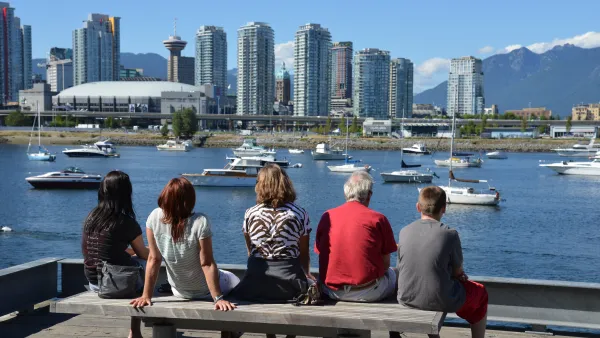
Ten Signs of a Resurgent Downtown
In GeekWire, Chuck Wolfe continues his exploration of a holistic and practical approach to post-pandemic urban center recovery, anchored in local context and community-driven initiatives that promote livability, safety, and sustainability.
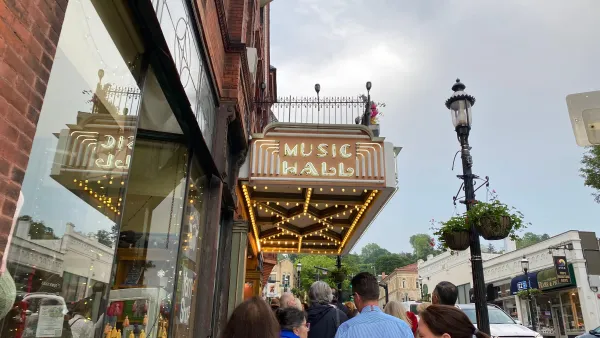
Why city hall doesn't know your music venue is a music venue (and why that matters)
Data shows that cultural venues have long lacked proper classification — which is why so many fall through the cracks.
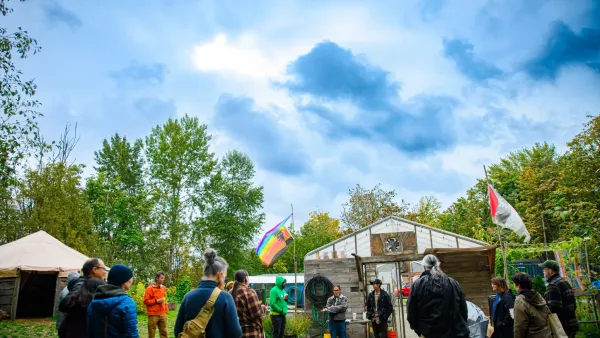
Seattle land ‘rematriated’ to Duwamish Tribe
Volunteer efforts transformed the space from a hazardous waste zone to a community gathering spot.

Planetizen Federal Action Tracker
A weekly monitor of how Trump’s orders and actions are impacting planners and planning in America.

The state-sanctioned urbicide of Austin
People don’t kill cities. Freeways do.

US to reduce Colorado River water deliveries to Mexico
A new Colorado Treaty amendment reduces Mexico’s Colorado River water allocation by 250,000 acre feet.

5 New England states march closer to 800 megawatt wind energy project
Securing federal approval for the project may be complicated under the Trump administration, which has historically been hostile towards domestic wind power.

Baltimore to break ground on $50 million Transit Priority Project
The project will bring faster bus trips, safer streets and better bike connections to Baltimore.

Airbnb launches $250 million 'last-dollar financing' housing accelerator, makes first investment in Austin
The company will put $6.4 million towards affordable housing development in Texas’ capital.

FREE Course: Walkable City 1: Why Walkability?
After describing his path towards focusing on walkability as the essence of good planning, Jeff Speck marches through his five principal reasons for making more walkable places.
Reinventing Malls: Planning Alchemy—Turning Gray Fields Into Gold
The course focuses on the opportunities and imperatives that shape reinvention of mall sites.

Eagle County Government
Harvard University Graduate School of Design
Nashville Planning Department
The Architects Foundation
University of Cincinnati Online
The Pocatello Development Authority
The Urban Renewal Agency of the City of Pocatello
Journal of the American Planning Association