The state doesn’t seem ready to reverse its famously restrictive aquatic access policies anytime soon.


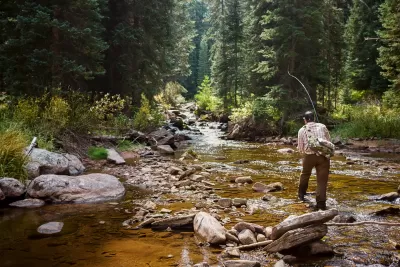
A ruling from the Colorado Supreme Court deals a blow to fishermen and others who want public access to the state’s rivers, reports Ben Goldfarb in High Country News.
According to Goldfarb, Colorado is “long the West’s most restrictive state when it comes to aquatic access,” and the recent ruling keeps it that way. The ruling revolved around a case in which a resident claimed the public should have access to the Arkansas River bed, which was historically used as a navigable waterway—thus making it state-owned land, according to the plaintiff in the case against the state, Roger Hill. The high court disagreed, saying the plaintiff had no standing to bring the case because the river was never officially designated as public property.
In Hill’s view, such restrictions place unnecessary strain on other waterways in the state. “There are a whole lot of recreational assets going to waste because we can’t use them. What that means to us is very crowded rivers: Every time you fish a good spot on the Arkansas, there are too many people. We have a shortage of recreational opportunities — and a growing demand for them.”
Read the full story: Colorado Supreme Court drowns public access to riverbeds

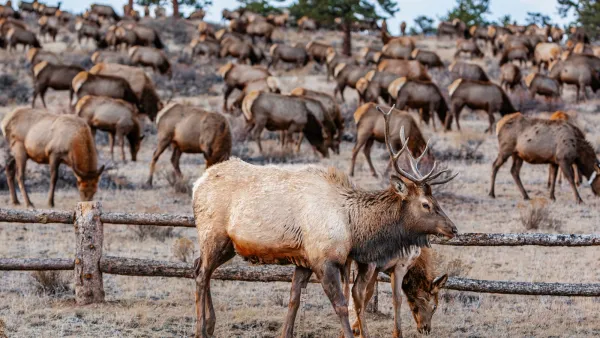
Colorado oil and gas land lease on public land could imperil nation's largest elk herd
The federal government approved the largest land lease to oil and gas interests in Colorado history.
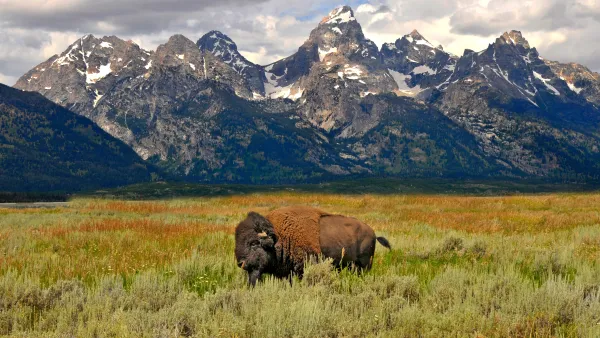
Trump removes rules against off-road vehicles on public lands
The decades-old executive orders protected national parks and delicate ecosystems from dirt bikes, snowmobiles and ATVs.
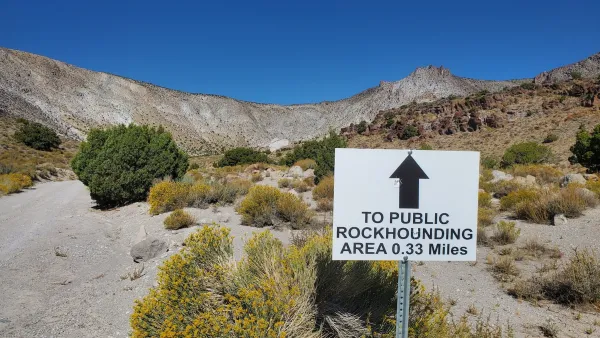
Supreme Court cements access to millions of acres of 'checkerboard' public land
A Tenth Circuit court ruled that private property owners can't prevent people from accessing 'corner-locked' public lands.

Planetizen Federal Action Tracker
A weekly monitor of how Trump’s orders and actions are impacting planners and planning in America.

The state-sanctioned urbicide of Austin
People don’t kill cities. Freeways do.

US to reduce Colorado River water deliveries to Mexico
A new Colorado Treaty amendment reduces Mexico’s Colorado River water allocation by 250,000 acre feet.

Nation's most wind-powered state turns to coal as data centers increase energy demand
For the first time in decades, Iowa has increased its generation of coal power.

NYC cools commuters with city's first rain garden above a bus stop
New York City officials say the plants in the rain garden can absorb 16 gallons of rainwater during heavy storms.

Brightline West’s future may rely on $6 billion federal loan
The company has until Nov. 2 to make a $400 million equity investment into its proposed high-speed rail line.

FREE Course: Walkable City 1: Why Walkability?
After describing his path towards focusing on walkability as the essence of good planning, Jeff Speck marches through his five principal reasons for making more walkable places.
Reinventing Malls: Planning Alchemy—Turning Gray Fields Into Gold
The course focuses on the opportunities and imperatives that shape reinvention of mall sites.

Eagle County Government
Harvard University Graduate School of Design
Nashville Planning Department
The Architects Foundation
University of Cincinnati Online
The Pocatello Development Authority
The Urban Renewal Agency of the City of Pocatello
Journal of the American Planning Association