South Coast Botanic Garden highlights the importance of sustainability through its latest exhibit which consists of 16 giant creatures made from beach debris that washed ashore.


Trash is making a splash in South Coast Botanic Garden in Los Angeles County this spring. The Garden’s latest exhibit, Washed Ashore – Art to Save the Sea, features sixteen giant creatures made from beach debris. The sculptures, which consist primarily of sea creatures, were built by Washed Ashore – Art to Save the Sea, a non-profit organization committed to combating plastic pollution through art and education, and its volunteers to inspire and spark positive changes in consumer habits. The Garden, having been built atop a sanitary landfill, has been proof over the past sixty years that beautiful things can come from trashy pasts. With this exhibit, the Garden further explores the concept as well as the education behind what can be done to limit waste, particularly the use of plastic.
South Coast Botanic Garden is an 87-acre public botanic garden containing over 200,000 plants and 2,000 species of plants from around the world. The garden was created on a sanitary landfill in 1959 by the Los Angeles County Board of Supervisors at the request of community members. Specialty gardens include the Japanese Garden, Fuchsia Garden, Children’s Garden and the two-acre formal James J. White Rose Garden. A man-made lake at the center of the garden attracts several species of waterfowl. The garden is an oasis for over 200 species of birds that make their homes at the garden or just use the garden as a stop in their annual migration.
Read the full story: Washed Ashore – Art to Save the Sea Opens at the Garden On April 1

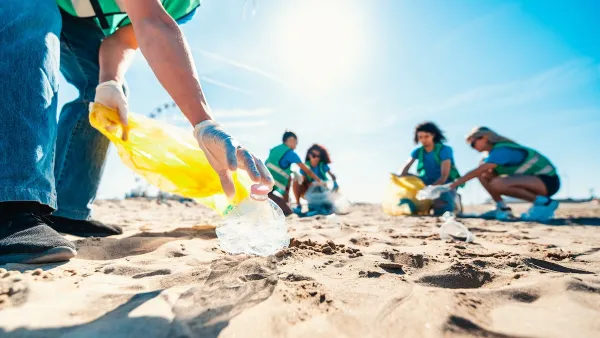
Plastic Bag Bans Actually Worked
U.S. coastal areas with plastic bag bans or fees saw significant reductions in plastic bag pollution — but plastic waste as a whole is growing.
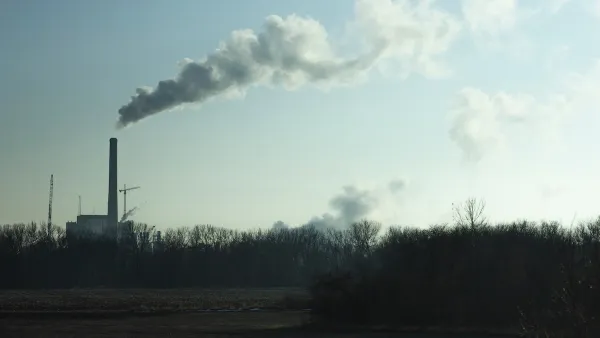
Nation's most wind-powered state turns to coal as data centers increase energy demand
For the first time in decades, Iowa has increased its generation of coal power.
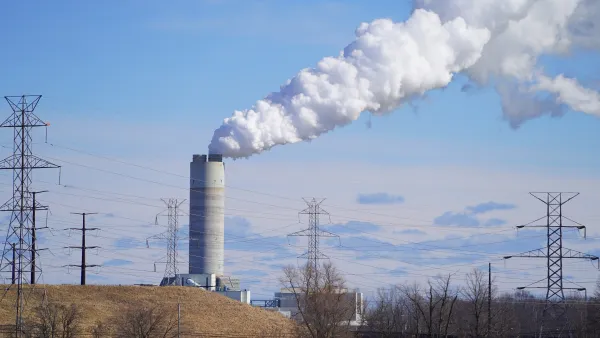
EPA erases limits on planet-warming pollution from power plants
Under Monday’s plan, power plants would still have some limits on how much mercury, arsenic and other contaminants they can emit.

Planetizen Federal Action Tracker
A weekly monitor of how Trump’s orders and actions are impacting planners and planning in America.

The state-sanctioned urbicide of Austin
People don’t kill cities. Freeways do.

US to reduce Colorado River water deliveries to Mexico
A new Colorado Treaty amendment reduces Mexico’s Colorado River water allocation by 250,000 acre feet.

Nation's most wind-powered state turns to coal as data centers increase energy demand
For the first time in decades, Iowa has increased its generation of coal power.

NYC cools commuters with city's first rain garden above a bus stop
New York City officials say the plants in the rain garden can absorb 16 gallons of rainwater during heavy storms.

Brightline West’s future may rely on $6 billion federal loan
The company has until Nov. 2 to make a $400 million equity investment into its proposed high-speed rail line.

FREE Course: Walkable City 1: Why Walkability?
After describing his path towards focusing on walkability as the essence of good planning, Jeff Speck marches through his five principal reasons for making more walkable places.
Reinventing Malls: Planning Alchemy—Turning Gray Fields Into Gold
The course focuses on the opportunities and imperatives that shape reinvention of mall sites.

Greater Baltimore Committee
Eagle County Government
Harvard University Graduate School of Design
The Architects Foundation
University of Cincinnati Online
The Pocatello Development Authority
The Urban Renewal Agency of the City of Pocatello
Journal of the American Planning Association