Extreme weather events in the United States cost $165 billion and killed more than 474 people last year.


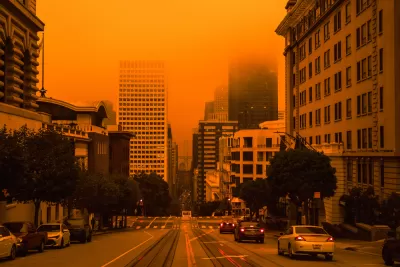
Damage from climate-related catastrophes in the United States cost roughly $165 billion in 2022, reports Zahra Hirji for Bloomberg Green. The figure comes from the National Oceanic and Atmospheric Administration (NOAA), which tracks major disasters and their damage in dollars and lives. “The 2022 price tag isn’t even complete because it doesn’t include the costs of that massive winter storm and cold spell in December.” As Hirji points out, “2022 was the nation’s third most expensive year for billion-dollar disasters by NOAA’s ranking, following 2017 ($373.2 billion) and 2005 ($253.5 billion).”
The growing intensity of weather disasters and their destruction isn’t limited to the United States. “Severe weather events and other disasters globally cost roughly $120 billion in insured losses and $270 billion in uninsured losses last year, according to estimates by insurance giant Munich Re.”
According to NOAA Administrator Richard Spinrad, climate change plays a significant role in creating bigger and more destructive weather events. Extreme weather events also build on each other, such as when heavy rainfall triggers mudslides and flooding in areas previously affected by wildfires, a vicious cycle increasingly evident in California, where wildfires are now the second largest source of the state’s carbon emissions.
Read the full story: US Climate Disasters Racked Up $165 Billion in Damage in 2022

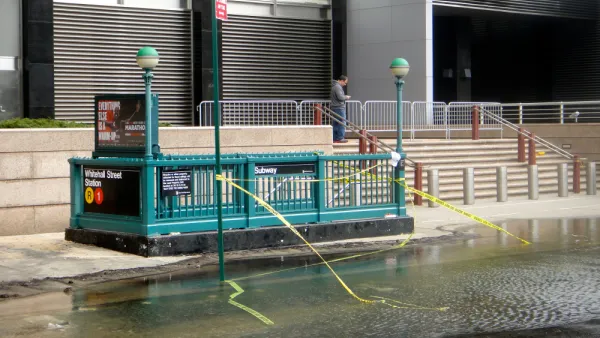
How Extreme Weather Threatens Transit Systems
As weather events become more intense and unpredictable, transit agencies must take steps to protect their aging infrastructure from flooding, storms, and extreme heat.
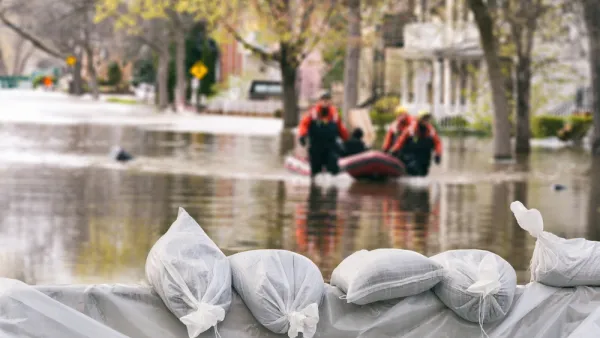
Infrastructure Must Catch Up With Climate Change
The worsening effects of extreme weather events are accelerating the deterioration of critical infrastructure, leaving communities more vulnerable.
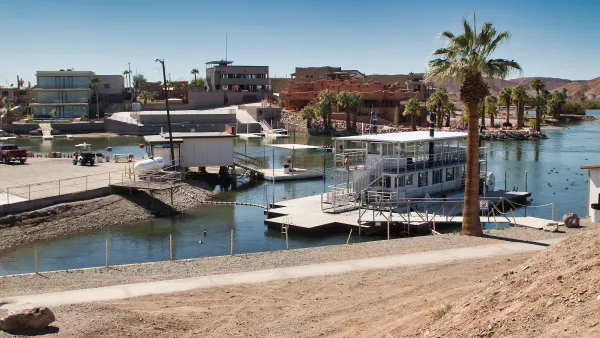
Arizona had its hottest spring in 131 years
Average March temperatures across the state were 12.5 degrees above normal.

Planetizen Federal Action Tracker
A weekly monitor of how Trump’s orders and actions are impacting planners and planning in America.

The state-sanctioned urbicide of Austin
People don’t kill cities. Freeways do.

Colorado’s Largest Data Center Could Rise Next to Homes — Without a Public Hearing
The proposed campus would consume 11 times the power of Denver International Airport; as it has across the country, opposition mounts.
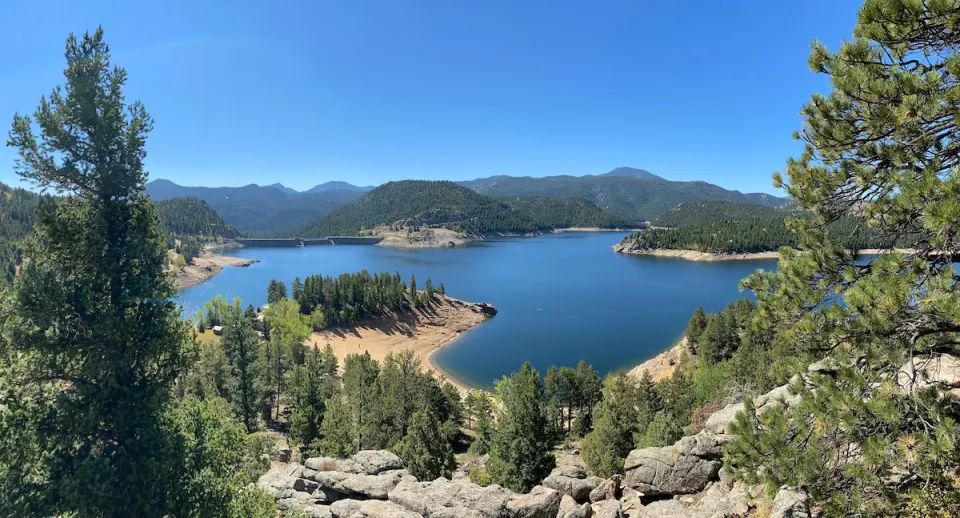
Judges permit Denver to divert 77,000 acre feet from the Colorado River for reservoir expansion
Overuse and climate change have caused the Colorado River’s water levels to plummet.
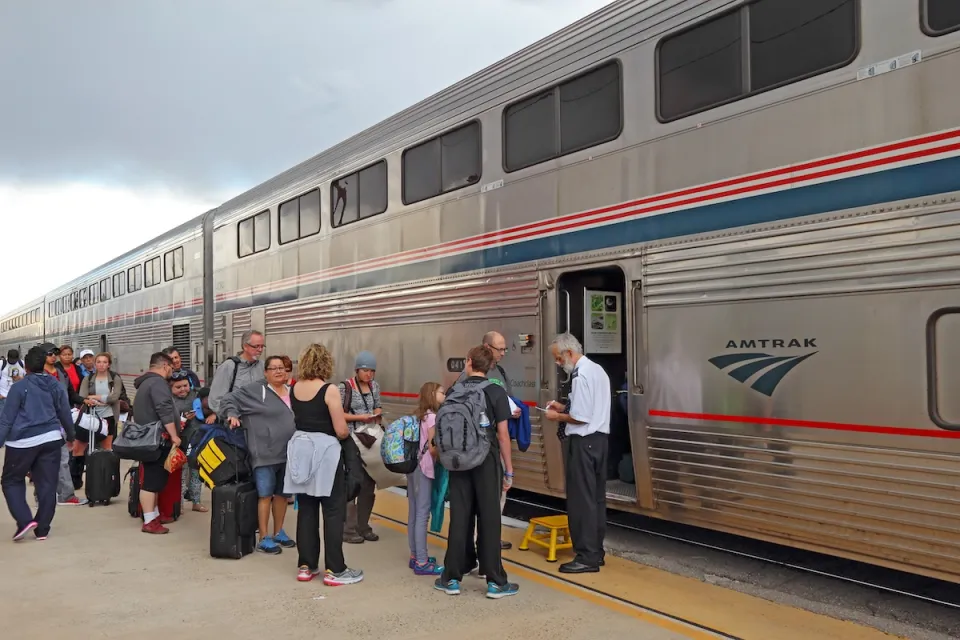
Amtrak, CN end decades-long dispute with eight-year agreement
The new operating agreement establishes an updated framework for the companies to work together, including processes to resolve disputes.
Raised interest rates may kill financially vulnerable construction projects
The chief economist at ConstructConnect warns that if construction project owners are negatively impacted by the raised rates, it could result in delayed payments to contractors.

FREE Course: Walkable City 1: Why Walkability?
After describing his path towards focusing on walkability as the essence of good planning, Jeff Speck marches through his five principal reasons for making more walkable places.
Reinventing Malls: Planning Alchemy—Turning Gray Fields Into Gold
The course focuses on the opportunities and imperatives that shape reinvention of mall sites.

KFH Group Inc.
Greater Baltimore Committee
Eagle County Government
The Architects Foundation
University of Cincinnati Online
The Pocatello Development Authority
The Urban Renewal Agency of the City of Pocatello