Average March temperatures across the state were 12.5 degrees above normal.


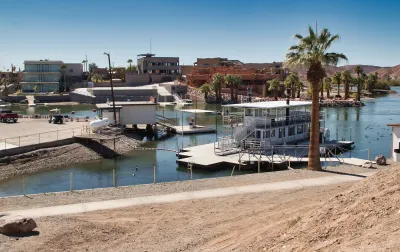
A community in Arizona recorded the hottest March temperature in the state this year since records started being kept 131 years ago, reports Katherine Davis-Young for KJZZ.
In March, when the temperature in Martinez Lake hit 110, the average temperature across the state was 12.5 degrees above normal. In March, April and May, Phoenix's average temperature was 80.2 degrees, 6.4 degrees above normal. "April and May temperatures were more typical, but still hotter than what’s expected for those months. April was 4.4 degrees above normal and May was 2.1 degrees above normal."
The heat contributed to at least three deaths, with 67 potentially heat-related deaths still under investigation. "The record-hot spring followed Phoenix’s hottest winter on record and puts 2026 on-track to be among the hottest years on record in the Valley. 2024 and 2025 currently hold the records for the hottest and second-hottest year-round average temperatures in Phoenix."
FULL STORY: Spring 2026 has been Phoenix's hottest on record


To Combat Rising Heat Deaths, Phoenix Creates Heat Response and Mitigation Office
As more extreme temperatures lead to an alarming rise in heat-related deaths across the country, Phoenix is taking action with the nation's first public heat response office.

Federal and State Responses to Extreme Heat
Governments are mobilizing resources to address the impacts of longer and more intense heat waves on public health and infrastructure.

Phoenix Nonprofit Offers Medical Services to Unhoused Residents
The mobile medical units are administering IV fluids and treating heat-related illnesses as extreme heat blankets the Southwest.

Planetizen Federal Action Tracker
A weekly monitor of how Trump’s orders and actions are impacting planners and planning in America.

The state-sanctioned urbicide of Austin
People don’t kill cities. Freeways do.

US to reduce Colorado River water deliveries to Mexico
A new Colorado Treaty amendment reduces Mexico’s Colorado River water allocation by 250,000 acre feet.

5 New England states march closer to 800 megawatt wind energy project
Securing federal approval for the project may be complicated under the Trump administration, which has historically been hostile towards domestic wind power.

Baltimore to break ground on $50 million Transit Priority Project
The project will bring faster bus trips, safer streets and better bike connections to Baltimore.

Airbnb launches $250 million 'last-dollar financing' housing accelerator, makes first investment in Austin
The company will put $6.4 million towards affordable housing development in Texas’ capital.

FREE Course: Walkable City 1: Why Walkability?
After describing his path towards focusing on walkability as the essence of good planning, Jeff Speck marches through his five principal reasons for making more walkable places.
Reinventing Malls: Planning Alchemy—Turning Gray Fields Into Gold
The course focuses on the opportunities and imperatives that shape reinvention of mall sites.

Eagle County Government
Harvard University Graduate School of Design
Nashville Planning Department
The Architects Foundation
University of Cincinnati Online
The Pocatello Development Authority
The Urban Renewal Agency of the City of Pocatello
Journal of the American Planning Association