The chief economist at ConstructConnect warns that if construction project owners are negatively impacted by the raised rates, it could result in delayed payments to contractors.


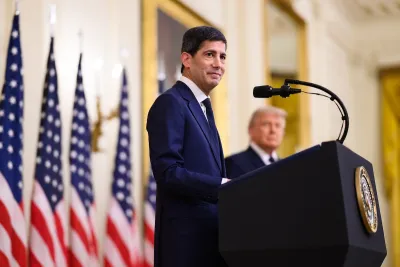
The Federal Reserve raised interest rates for the first time since 2023 on Sept. 16, potentially damaging the viability of construction projects on shoestring budgets. Construction Dive spoke with Michael Guckes, chief economist at ConstructConnect, a commercial construction data provider, who said the hike could stall or outright kill financially vulnerable projects.
Construction Dive reports:
“If the change in rates severely impacts the project owner, this could result in an unexpected delay in contractor payments,” said Guckes. “In a worst-case scenario, higher rates could force the owner to put the project on hold, or even abandon it, which would leave the contractor saddled with immediate expenses and accounts receivable that are difficult to recoup from the owner.”
Construction Dive also interviewed Brian Strawberry, chief economist at FMI, a construction consulting firm. Strawberry told the publication that while raised interest rates would initially make floating-rate construction loans more expensive, it may be beneficial to construction companies down the line:
“A hike would immediately raise the cost of floating-rate construction loans, which is real money on projects carrying debt, but the bigger effect is likely lower long-term rates,” Strawberry told Construction Dive. “A hike that convinces markets the Fed is serious about inflation tends to pull the 10-year [Treasury] down, and that is where construction actually borrows.”
Read the full story: Fed raises rates but construction has a bigger problem

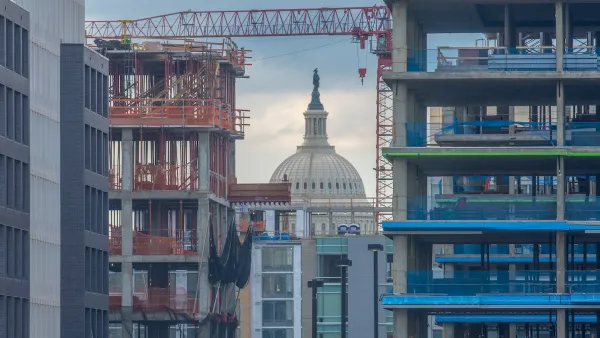
92% of DC Construction Groups Struggle to Hire Workers Amid ICE Raids
Contractors are being forced to delay project timelines as more workers stay home to avoid ICE dragnets.
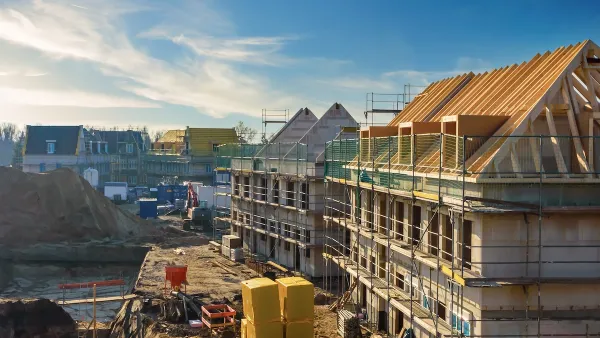
Why Housing Costs More to Build in California Than in Texas
Hard costs like labor and materials combined with ‘soft’ costs such as permitting make building in the San Francisco Bay Area almost three times as costly as in Texas cities.

EPA Terminates $116 Million in Grants for Reducing Emissions from Construction Materials
C-MORE grants were earmarked for industry trade groups and universities.

Planetizen Federal Action Tracker
A weekly monitor of how Trump’s orders and actions are impacting planners and planning in America.

The state-sanctioned urbicide of Austin
People don’t kill cities. Freeways do.
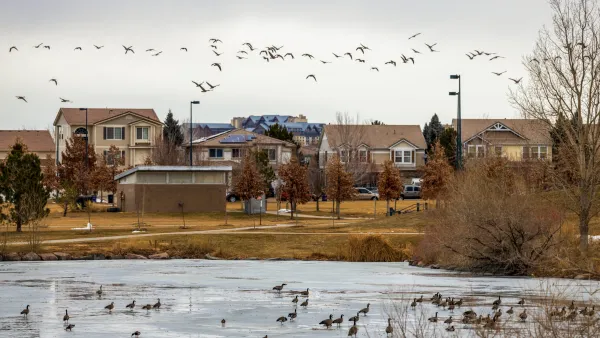
Colorado’s Largest Data Center Could Rise Next to Homes — Without a Public Hearing
The proposed campus would consume 11 times the power of Denver International Airport; as it has across the country, opposition mounts.
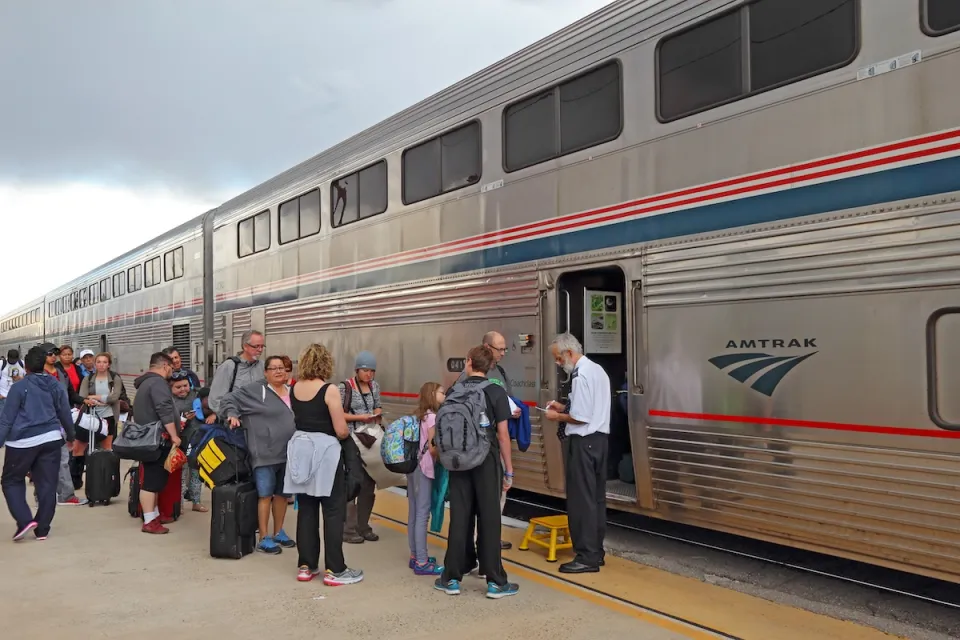
Amtrak, CN end decades-long dispute with eight-year agreement
The new operating agreement establishes an updated framework for the companies to work together, including processes to resolve disputes.
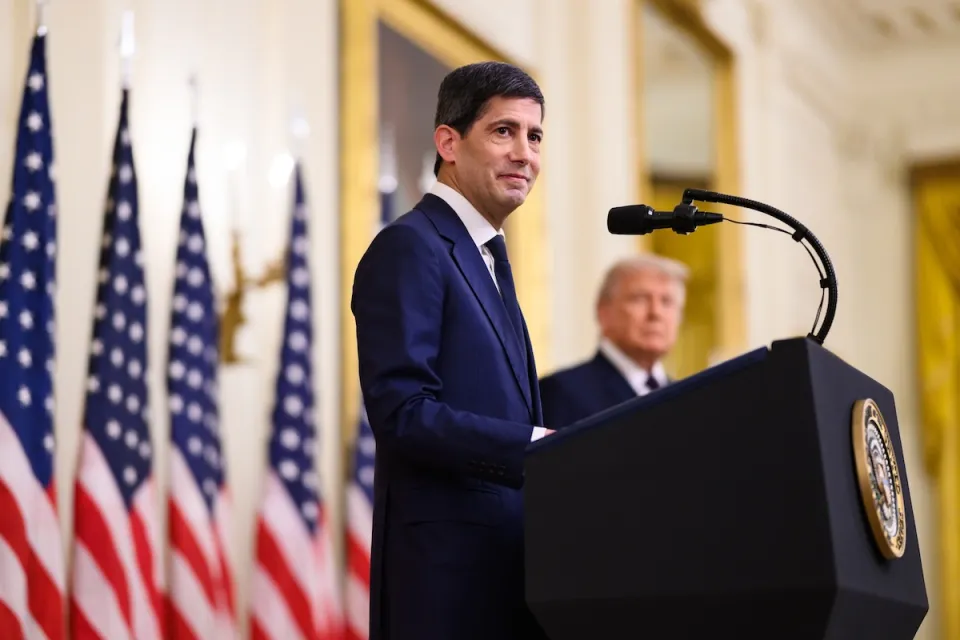
Raised interest rates may kill financially vulnerable construction projects
The chief economist at ConstructConnect warns that if construction project owners are negatively impacted by the raised rates, it could result in delayed payments to contractors.
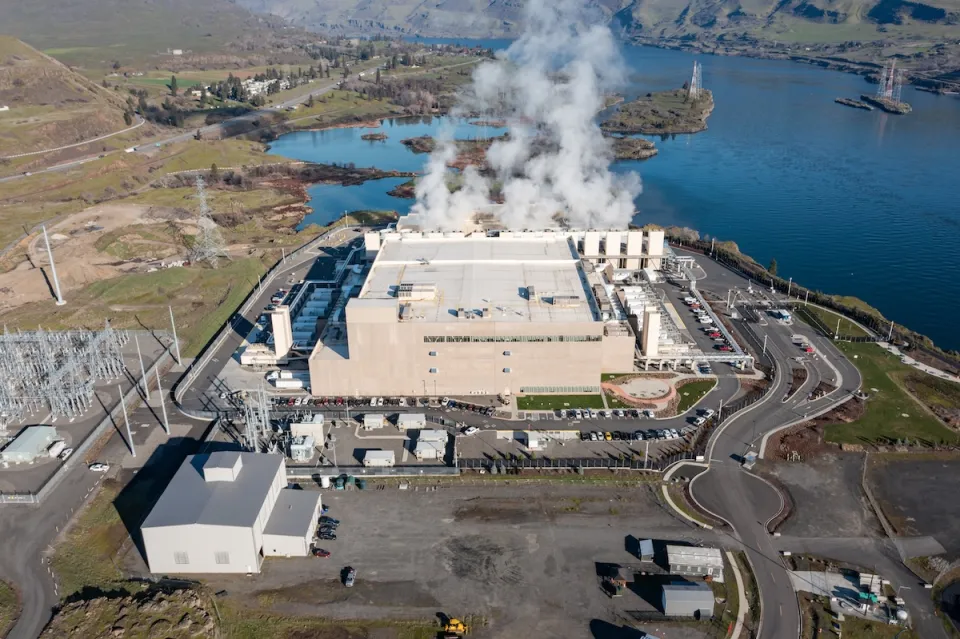
Data centers are consuming nearly 25% of Oregon’s power
The state has 111 data centers, with 32 more either planned or under construction.

FREE Course: Walkable City 1: Why Walkability?
After describing his path towards focusing on walkability as the essence of good planning, Jeff Speck marches through his five principal reasons for making more walkable places.
Reinventing Malls: Planning Alchemy—Turning Gray Fields Into Gold
The course focuses on the opportunities and imperatives that shape reinvention of mall sites.

Greater Baltimore Committee
Eagle County Government
Harvard University Graduate School of Design
The Architects Foundation
University of Cincinnati Online
The Pocatello Development Authority
The Urban Renewal Agency of the City of Pocatello
Journal of the American Planning Association