In the newest edition of his classic book Guide to California Planning, Bill Fulton says there is still tension between the state's suburban planning system and its urban reality.


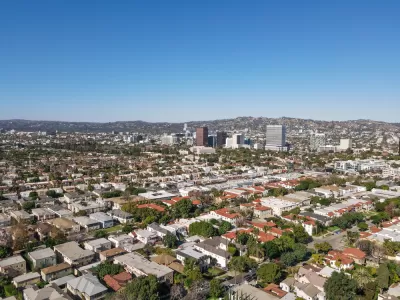
California in the 2020s is a mature urban beast: expensive, crowded, running out of land, and—at least for the moment—losing population. But the California planning system is, to some extent, still stuck in the growing suburban state of the 1980s. It’s focused on growth management, impact fees, subdivision approvals, and, thanks to the California Environmental Quality Act, making sure that bad things don’t happen.
In the past, I have always assumed that at some point this system would be comprehensively overhauled to reflect California’s new urban reality. But over the past year, as I revised Guide to California Planning for the sixth time in the last 30 years, I came to realize that this is never going to happen. Yes, the Legislature wants to make significant changes on certain issues: housing in particular, but also, for example, CEQA as a result of the Berkeley enrollment case. But no one in Sacramento sees any percentage in a comprehensive overhaul.
The Sixth Edition of Guide to California Planning is now available as an e-book. You can buy it here. The printed edition will be available later this year. And, like most previous editions, it reflects the tension that exists between the urban state we have today and the suburban-era planning system that emerged in the 1970s and ‘80s.


'The Art of Classic Planning' Critiques a 'Century of Bad Planning'
A book review of a book published this year with the title, "The Art of Classic Planning: Building Beautiful and Enduring Communities," offers stinging criticism of the past and present of planning.

The Uses Of Urban Theory
Eminent urban scholar Richard Sennett populates Building and Dwelling with rich discussions of history, philosophy, and theory—as well as strolls through contemporary cities.
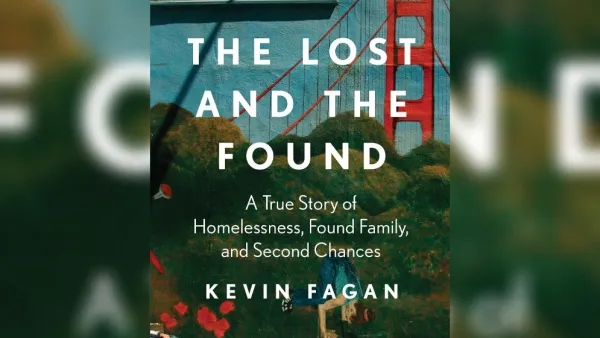
The "vicious cycle of real estate mania" — and how we might find our way home
Book review: In "The Lost and the Found: A True Story of Homelessness, Found Family, and Second Chances," Kevin Fagan humanizes the housing crisis like never before.

Planetizen Federal Action Tracker
A weekly monitor of how Trump’s orders and actions are impacting planners and planning in America.

The state-sanctioned urbicide of Austin
People don’t kill cities. Freeways do.

US to reduce Colorado River water deliveries to Mexico
A new Colorado Treaty amendment reduces Mexico’s Colorado River water allocation by 250,000 acre feet.

5 New England states march closer to 800 megawatt wind energy project
Securing federal approval for the project may be complicated under the Trump administration, which has historically been hostile towards domestic wind power.

Baltimore to break ground on $50 million Transit Priority Project
The project will bring faster bus trips, safer streets and better bike connections to Baltimore.

Airbnb launches $250 million 'last-dollar financing' housing accelerator, makes first investment in Austin
The company will put $6.4 million towards affordable housing development in Texas’ capital.

FREE Course: Walkable City 1: Why Walkability?
After describing his path towards focusing on walkability as the essence of good planning, Jeff Speck marches through his five principal reasons for making more walkable places.
Reinventing Malls: Planning Alchemy—Turning Gray Fields Into Gold
The course focuses on the opportunities and imperatives that shape reinvention of mall sites.

Eagle County Government
Harvard University Graduate School of Design
Nashville Planning Department
The Architects Foundation
University of Cincinnati Online
The Pocatello Development Authority
The Urban Renewal Agency of the City of Pocatello
Journal of the American Planning Association