The pro-transit mayor of Boston is proposing fare-free transit on some of the city's most heavily used bus routes.


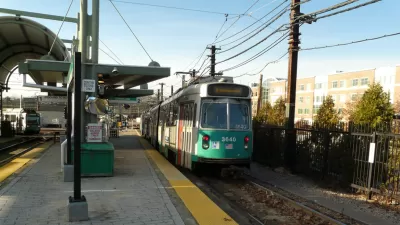
Boston's new pro-transit mayor, Michelle Wu, is proposing expanding fare-free service on some of the city's most popular bus routes, reports Christian MilNeil.
The program would last for two years, and expand on an existing 4-month pilot that has suspended fare collections on the 28, the state’s busiest bus line, which runs on Warren Street and Blue Hill Avenue between the Ruggles Orange Line station and Mattapan Square.
With transit systems across the country facing the paradox of continued need and reduced ridership due to the COVID-19 pandemic, agencies are struggling to maintain service for essential workers while dealing with revenue reductions. Advocates support fare-free transit as away to encourage higher ridership and reduce operations costs.
However, some City Councilors are objecting to the change, calling for more public input on the measure and a closer examination of the fiscal impact of the reduction in fares. The Council may vote on the measure in December.
FULL STORY: In Her First Day in Office, Mayor Wu Proposes More Fare-Free Bus Routes for Boston

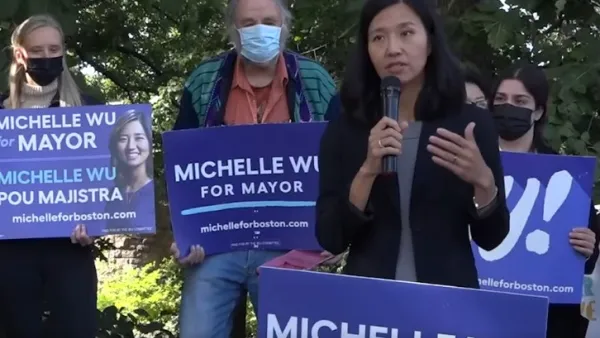
Boston's New Bus-Riding Mayor Could Make a Real Impact on Climate Change Goals
Recently elected Boston mayor Michelle Wu, a bus rider herself, has the potential to be 'America's first actual climate mayor.'
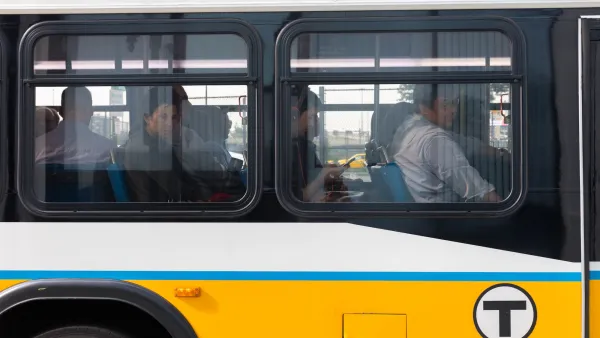
Boston extends successful fare-free bus pilot
The program began in 2021 and expanded later to include lines 28, 23 and 29.
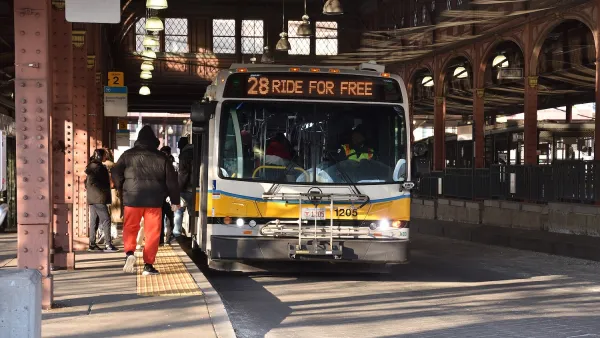
Boston’s Free Buses are Also its Slowest
Two fare-free bus lines have seen a sharp increase in travel times.

Planetizen Federal Action Tracker
A weekly monitor of how Trump’s orders and actions are impacting planners and planning in America.

The state-sanctioned urbicide of Austin
People don’t kill cities. Freeways do.

US to reduce Colorado River water deliveries to Mexico
A new Colorado Treaty amendment reduces Mexico’s Colorado River water allocation by 250,000 acre feet.

5 New England states march closer to 800 megawatt wind energy project
Securing federal approval for the project may be complicated under the Trump administration, which has historically been hostile towards domestic wind power.

Baltimore to break ground on $50 million Transit Priority Project
The project will bring faster bus trips, safer streets and better bike connections to Baltimore.

Airbnb launches $250 million 'last-dollar financing' housing accelerator, makes first investment in Austin
The company will put $6.4 million towards affordable housing development in Texas’ capital.

FREE Course: Walkable City 1: Why Walkability?
After describing his path towards focusing on walkability as the essence of good planning, Jeff Speck marches through his five principal reasons for making more walkable places.
Reinventing Malls: Planning Alchemy—Turning Gray Fields Into Gold
The course focuses on the opportunities and imperatives that shape reinvention of mall sites.

Eagle County Government
Harvard University Graduate School of Design
Nashville Planning Department
The Architects Foundation
University of Cincinnati Online
The Pocatello Development Authority
The Urban Renewal Agency of the City of Pocatello
Journal of the American Planning Association