Consumer Reports published findings of an investigation of U.S. auto loan debt, finding that debt is increasing at increasingly fast rates alongside the cost of cars over the past decade.


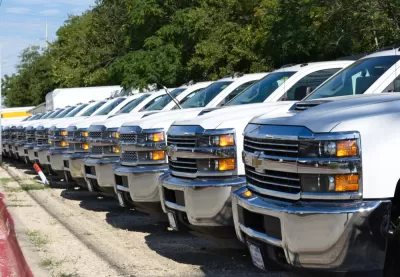
Ryan Felton shares news of a recent investigation by Consumer Reports into the auto loan industry, finding that many Americans are overpaying their car loans and car debt is growing in the United States.
The Consumer Reports database includes nearly 858,000 loans from 17 major auto lenders, according to Felton. The data reveal shocking conclusions about the risk involved in financing American car culture—and how much that risk has increased in the decade since the Great Recession.
"Today, Americans with new-car loans make an average monthly payment approaching $600—up roughly 25 percent from a decade ago," writes Felton. "This is happening as total auto loan debt held by Americans has increased dramatically over the past 10 years, surpassing $1.4 trillion—more than the gross domestic product of Australia."
As prices for both new and used cars has skyrocketed, as a result of market pressures created by the pandemic but also by the American preference for big, expensive SUVs and trucks, that debt is expected to grow.
The article includes more detail about the findings of the investigation—including evidence of racial discrimination leading to more high-interest car loans among people of color, echoing previous studies. A Planetizen article from November 2015 also serves as a reminder that auto loan debt has been on the rise throughout the previous decade—despite fresh memories of the dire consequences of high interest loans from the Great Recession.
FULL STORY: Many Americans Are Overpaying for Their Car Loans

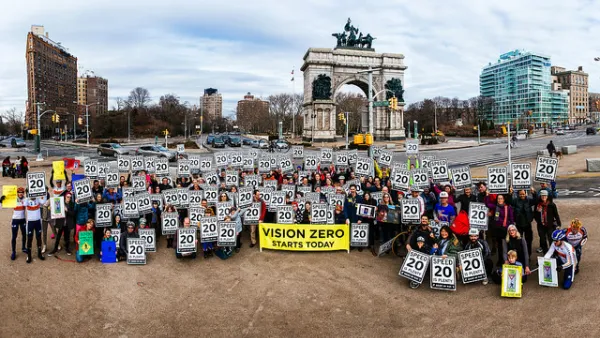
Traffic Fatalities Set Records as Pandemic-Era Road Carnage Shows No Signs of Stopping
An estimated 42,915 people died in automobile crashes in 2021, according to recent federal data. The increasing fatalities continue a trend that began with the outset of the pandemic.
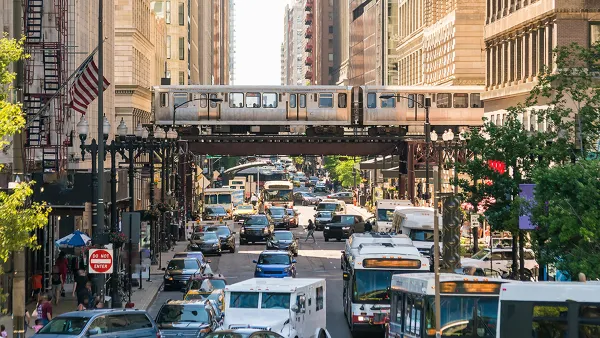
Planning for Congestion Relief
The third and final installment of Planetizen's examination of the role of the planning profession in both perpetuating and solving traffic congestion.
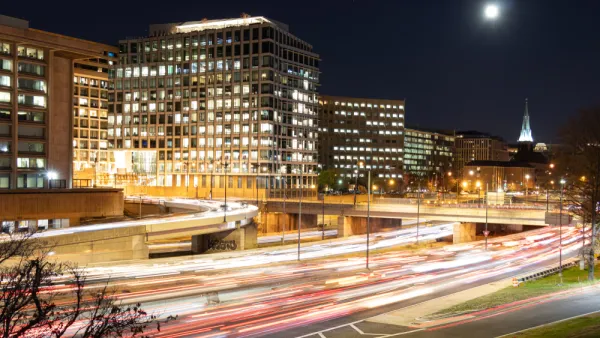
Car Commutes and Congestion Are Back in D.C.
Low transit ridership and a more dispersed daytime workforce are creating new headaches for car commuters in the D.C. area—in a story likely to be repeated all over the country as work returns to the office.

Planetizen Federal Action Tracker
A weekly monitor of how Trump’s orders and actions are impacting planners and planning in America.

The state-sanctioned urbicide of Austin
People don’t kill cities. Freeways do.

US to reduce Colorado River water deliveries to Mexico
A new Colorado Treaty amendment reduces Mexico’s Colorado River water allocation by 250,000 acre feet.

5 New England states march closer to 800 megawatt wind energy project
Securing federal approval for the project may be complicated under the Trump administration, which has historically been hostile towards domestic wind power.

Baltimore to break ground on $50 million Transit Priority Project
The project will bring faster bus trips, safer streets and better bike connections to Baltimore.

Airbnb launches $250 million 'last-dollar financing' housing accelerator, makes first investment in Austin
The company will put $6.4 million towards affordable housing development in Texas’ capital.

FREE Course: Walkable City 1: Why Walkability?
After describing his path towards focusing on walkability as the essence of good planning, Jeff Speck marches through his five principal reasons for making more walkable places.
Reinventing Malls: Planning Alchemy—Turning Gray Fields Into Gold
The course focuses on the opportunities and imperatives that shape reinvention of mall sites.

Eagle County Government
Harvard University Graduate School of Design
Nashville Planning Department
The Architects Foundation
University of Cincinnati Online
The Pocatello Development Authority
The Urban Renewal Agency of the City of Pocatello
Journal of the American Planning Association