Census data reveal a growing number of suburbs are home to a majority of renters. The data challenges the "very definition of suburban living," according to this article.


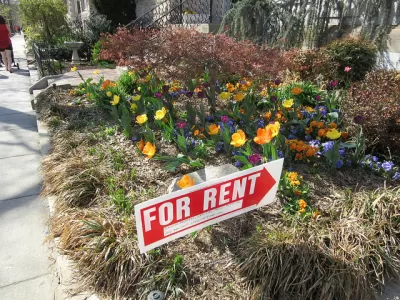
"Renters are now the majority in 103 suburbs that were previously homeowner territory 10 years ago," reports Adrian Papa, citing Census data analysis by RentCafé.
The nation’s 50 largest metros gained 4.7 million people since 2010, according to the article—and 79 percent of the new population rent their homes.
"Today, about 21 million people rent a suburban home in the 50 largest U.S. metros — 3.7 million more than 10 years ago. What’s more, between 2010 and 2019, the number of suburban renters grew by 22% — a number that dwarfs the 3% increase in suburban homeowners during the same period."
In 2020, 103 suburbs were majority renter, with 57 more suburbs likely to make the switch in the next five years. The article also breaks down the data by region, finding Washington, D.C. leading the way with 14 suburbs newly majority renter, followed by Miami with 13 and Los Angeles with 12.
Read the full story: Picket Fences for Rent: 100+ Suburbs Transitioned to Majority Renters in Last Decade

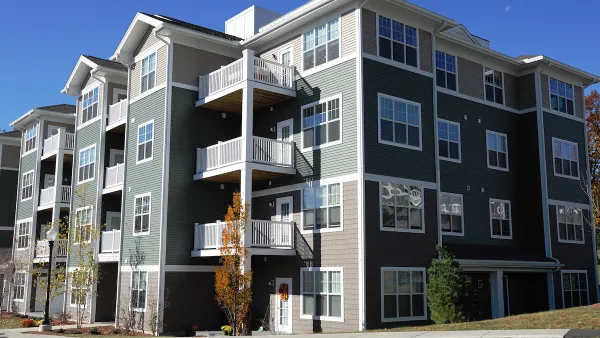
Rent Costs Rising Faster in Suburbs Than Urban Cores
In a majority of U.S. metro areas, suburban rent hikes are outpacing urban rent increases.
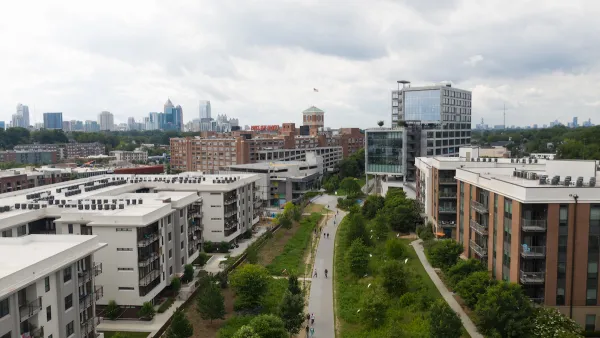
Suburban Renters Flocked to Atlanta During the Pandemic
The city's comparatively affordable rents and low unemployment rate have attracted new residents during a year when many big cities saw their population growth slow.
How to Define the Suburban: HUD Survey Sheds New Light
A new HUD survey could help change the way the federal government defines the "suburban"—a notoriously tricky proposition.

Planetizen Federal Action Tracker
A weekly monitor of how Trump’s orders and actions are impacting planners and planning in America.

‘Going backwards:’ Baltimore mayor, students rally against state's transit funding plan
Maryland's proposed six-year plan provides no funding for Baltimore’s BMORE bus program and reduces its road maintenance funding.

Detroit to transform waterfront with $2.2 billion investment
Developers will convert about 18 acres of unused parking lot space into civic spaces.

Newsom vetoes high-speed rail supervision bill after agency receives condemnatory audit
The audit found the CHSRA approved almost $600,000 in unallowable travel expenses.

Nation sees first electric plane-boat hybrid take off in public demo
The Viceroy Seaglider can fly at speeds of 180mph for up to 180 miles.

One of nation’s poorest counties to receive $6 billion data center
The developers estimate the project will create 200 permanent jobs and 1,000 temporary construction jobs.

FREE Course: Walkable City 1: Why Walkability?
After describing his path towards focusing on walkability as the essence of good planning, Jeff Speck marches through his five principal reasons for making more walkable places.
Reinventing Malls: Planning Alchemy—Turning Gray Fields Into Gold
The course focuses on the opportunities and imperatives that shape reinvention of mall sites.

City of Thousand Oaks
City of Wisconsin Rapids
Harvard University Graduate School of Design
The Architects Foundation
University of Cincinnati Online
Northern Illinois Transit Authority (NITA)
The Pocatello Development Authority
The Urban Renewal Agency of the City of Pocatello