The city's comparatively affordable rents and low unemployment rate have attracted new residents during a year when many big cities saw their population growth slow.


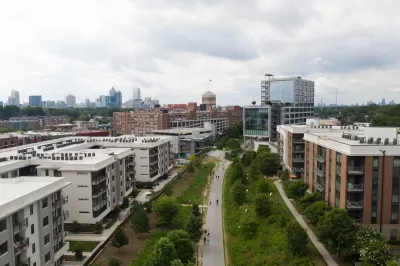
Unlike the big cities that saw an exodus of residents seeking lower housing costs during the pandemic, the city of Atlanta experienced a major spike in in-movers, according to a mobility report by StorageCafé. Writing in Urbanize Atlanta, Josh Green reports that 2020 sales "smashed records for Georgia MLS, with more recent trends showing the metro Atlanta market still on fire."
The most common out-of-state renters moved from New York City, Chicago, and Charlotte. "Now a study suggests that renting activity in the City of Atlanta spiked over 2019 levels once the lockdown months subsided—and that the majority of new renters in the city [64 percent] actually came from the suburbs." Atlanta proves an attractive market for millennials, who made up 57 percent of new renters.
A recent Today show report named Atlanta one of its "top 10 cities to live in after the pandemic." Stefani Berkin, president of R New York and author of the report, "hails the Peach State capital as a prime launchpad for startups, a haven for corporate headquarters," and praises the city's Beltline as "a national beacon for equitable, inclusive, and sustainable city life."
FULL STORY: 2020 Atlanta renter data show influx of people from suburbs, NYC, Chicago

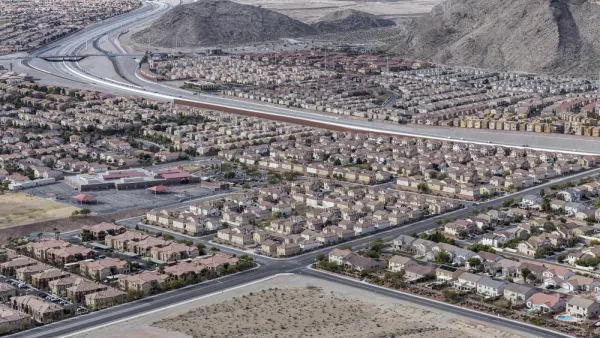
How COVID-19 and Skyrocketing Housing Costs Accelerated Sprawl
In search of space and affordability, American families are increasingly moving to suburbs and exurbs.
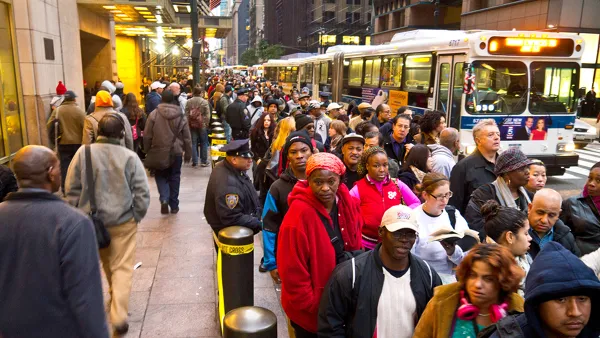
What COVID Taught About Mobility Justice
Transit agencies are waking up to the inequities in transportation systems—highlighted by the realities of the Covid-19 pandemic.
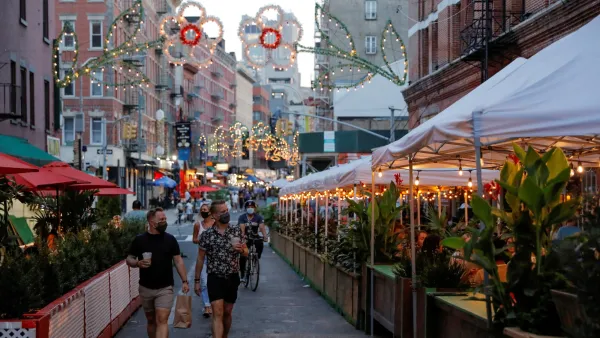
The Death and Life of the 'Death of the City' Narrative
At the onset of the pandemic, certain media figures were quick to jump on the bandwagon of anti-urbanism. While many of the anti-urban predictions failed to come about—neither did the problems of cities disappear.

Planetizen Federal Action Tracker
A weekly monitor of how Trump’s orders and actions are impacting planners and planning in America.

The state-sanctioned urbicide of Austin
People don’t kill cities. Freeways do.

US to reduce Colorado River water deliveries to Mexico
A new Colorado Treaty amendment reduces Mexico’s Colorado River water allocation by 250,000 acre feet.

5 New England states march closer to 800 megawatt wind energy project
Securing federal approval for the project may be complicated under the Trump administration, which has historically been hostile towards domestic wind power.

Baltimore to break ground on $50 million Transit Priority Project
The project will bring faster bus trips, safer streets and better bike connections to Baltimore.

Airbnb launches $250 million 'last-dollar financing' housing accelerator, makes first investment in Austin
The company will put $6.4 million towards affordable housing development in Texas’ capital.

FREE Course: Walkable City 1: Why Walkability?
After describing his path towards focusing on walkability as the essence of good planning, Jeff Speck marches through his five principal reasons for making more walkable places.
Reinventing Malls: Planning Alchemy—Turning Gray Fields Into Gold
The course focuses on the opportunities and imperatives that shape reinvention of mall sites.

Eagle County Government
Harvard University Graduate School of Design
Nashville Planning Department
The Architects Foundation
University of Cincinnati Online
The Pocatello Development Authority
The Urban Renewal Agency of the City of Pocatello
Journal of the American Planning Association