U.S. transit projects have a much harder time getting environmental approval than road projects, perpetuating the dominance of cars in U.S. transportation policy.


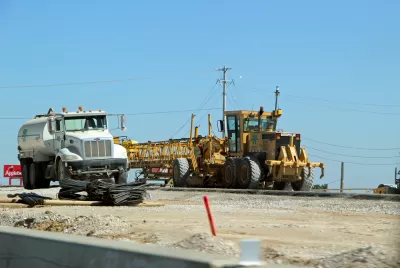
Henry Grabar questions the logic of environmental review processes that delay transit projects and, counterintuitively, ease the way forward for highway construction. "[O]n the eve of a once-in-a-generation federal investment in infrastructure," Grabar writes, "the environmental review process for big projects is totally unfit for the task at hand. Transportation is the country’s largest source of carbon emissions, but ideas that aim to reduce dependence on planes, cars, and trucks have even more trouble gaining environmental approval than highways."
An "analysis of 180 projects here and abroad found that U.S. projects cost 50 percent more and take 18 months longer to conclude than similar projects abroad," in part because "American transit builders use environmental reviews as an opportunity to plan routes and engage with the community, transforming what might be a cut-and-dried assessment into an interminable back-and-forth."
Meanwhile, "the ease with which highways get funded and constructed, observes Joe Cortright at the think tank City Observatory in Portland, Oregon, makes it harder in turn for transit to prove its success" and helps, as Grabar puts it, "perpetuate the dominance of ice cap–melting SUVs in American transportation policy." A nationwide policy similar to California's 2020 decision to "exempt sustainable local transportation projects from undergoing analysis under the California Environmental Quality Act for the next four years" could alleviate the problem and give transit projects a fighting chance.
FULL STORY: The Perverse Reason It’s Easier to Build New Highways Than New Subways

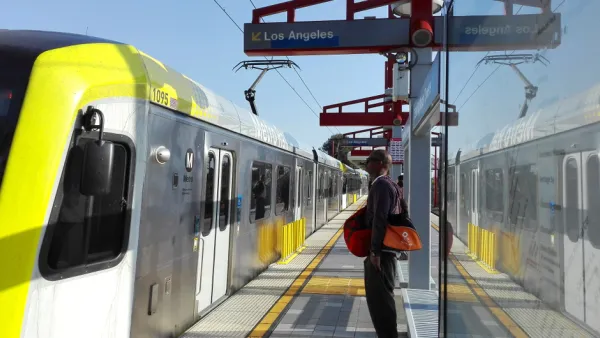
Lawmaker Proposes Permanent Environmental Review Exemptions for Transit Projects
A 2020 law that exempts transit, bike, and pedestrian projects from California's strict environmental review process could become permanent.
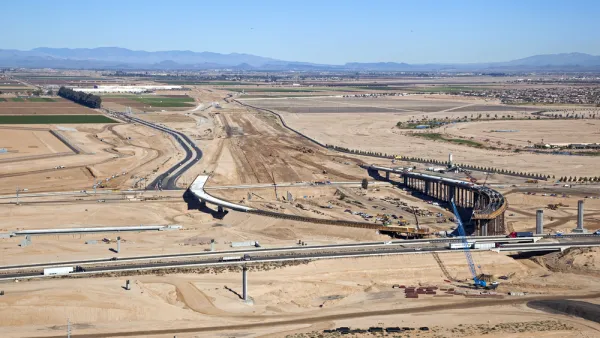
Infrastructure Funding Could Lead to Higher Carbon Emissions
Billions in federal infrastructure funding slated to go to states with few strings attached could fund roadway construction and widening projects that will raise greenhouse gas emissions and worsen climate change.

Proposed Toronto Highways Raise Environmental Concerns
Opponents of two new planned highways in greater Toronto argue the construction of new roads is 'short-sighted at best' and would threaten the region's greenbelt areas.

The state-sanctioned urbicide of Austin
People don’t kill cities. Freeways do.

US to reduce Colorado River water deliveries to Mexico
A new Colorado Treaty amendment reduces Mexico’s Colorado River water allocation by 250,000 acre feet.

New Jersey’s second-largest city bans standalone data centers
Jersey City will continue to allow co-location facilities, such as those meant for research institutions that store their own data.

Amtrak not solely to blame for New Jersey commuter rail's unreliability, report finds
A new study from the Garden State Initiative found that NJ Transit’s budget grew 20% across a 4 year period, but reliability declined significantly over the same period.

EPA erases limits on planet-warming pollution from power plants
Under Monday’s plan, power plants would still have some limits on how much mercury, arsenic and other contaminants they can emit.

Phoenix announces new on-demand transit service, more frequent RAPID buses
Both new services will launch in October, and are part of Phoenix's Project Effective Access Solutions for Easing Congestion.

FREE Course: Walkable City 1: Why Walkability?
After describing his path towards focusing on walkability as the essence of good planning, Jeff Speck marches through his five principal reasons for making more walkable places.
Reinventing Malls: Planning Alchemy—Turning Gray Fields Into Gold
The course focuses on the opportunities and imperatives that shape reinvention of mall sites.

Eagle County Government
Harvard University Graduate School of Design
Nashville Planning Department
The Architects Foundation
University of Cincinnati Online
The Pocatello Development Authority
The Urban Renewal Agency of the City of Pocatello
Journal of the American Planning Association