Owning a home with no one living in it could soon come with a penalty in Toronto.


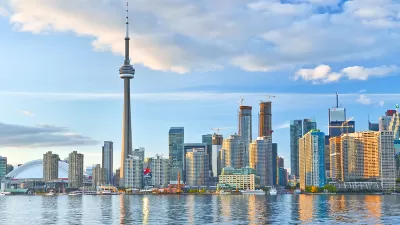
"[The Toronto City] Council could impose a one per cent tax on vacant homes at the start of next year as a way to help ease the city’s affordable housing crisis and raise revenue during a looming economic recovery from COVID-19," according to an article by Jennifer Pagliaro.
"Residential property owners would be required to make a declaration each year by the deadline and could be subject to a city audit to verify whether the home is vacant or not," reports Pagliaro.
The city expects a one percent tax to generate between $55 million to $66 million (all figures Canadian dollars) a year, but the main goal of the tax is to reduce the number of vacant properties, contributing to the affordability of the housing stock around the city. The expected revenue figures are modeled on the example of Vancouver, which approved a similar vacancy tax in 2016.
Read the full story: Toronto vacant home tax of one per cent could be in place at the start of next year, says city staff
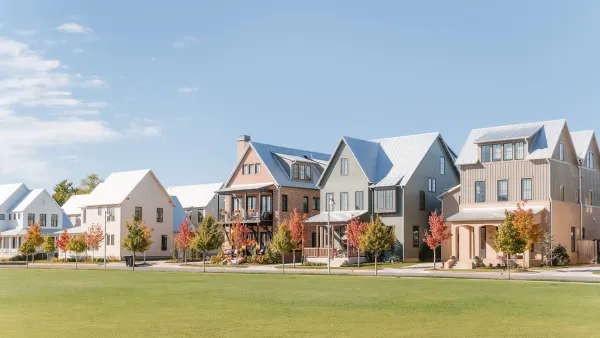
Oklahoma has Over 200,000 Vacant Homes. None are Affordable to Low-income Families.
The state faces a shortage of over 80,000 rental units for extremely low-income households while hundreds of thousands of vacant units face financial or legal barriers to restoration.
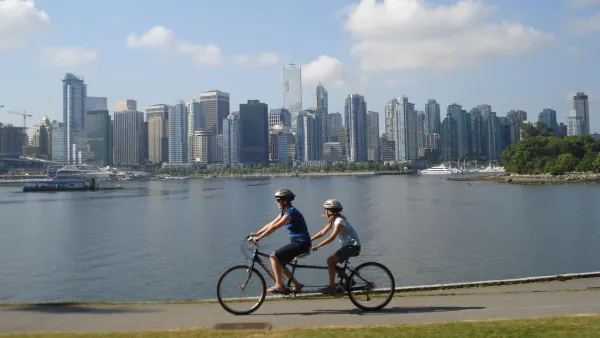
Vancouver Again Raises its Empty Homes Tax
The Vancouver Empty Homes Tax will soon be three times as high as it was when adopted in 2017.
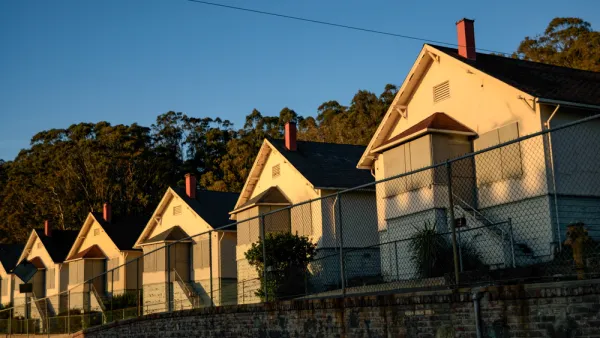
Vacancy Taxes as a Response to the Housing Crisis
Could vacancy taxes solve multiple housing challenges at once?

Desperate measures: Advocates weigh draining Lake Powell to fill Colorado River
Draining the reservoir could reduce evaporation losses by a couple hundred thousand acre-feet.

Eastern Nebraska is running out of electricity
Data centers and electrification are straining eastern Nebraska’s grid, throttling economic development.

Move over, LA: St. Louis gears up for Olympics, invests millions in downtown redevelopment
The Missouri city will host the 2028 Olympic soccer group stage and knockout matches.

MTA sends Dem leaders a wish list to mend Trump’s damages
Requests include exempting new train and bus components from tariffs and increasing transit security funding.

Mass. votes against statewide minimum lot size for single-family homes
Over 2 million residents voted on Question 7; it was decided by just over 30,000 votes.

Maryland’s $15 billion bridge project gains key approval
The Maryland Transit Authority said the project will create over 60,000 jobs and add $23 billion to the local economy.

FREE Course: Walkable City 1: Why Walkability?
After describing his path towards focusing on walkability as the essence of good planning, Jeff Speck marches through his five principal reasons for making more walkable places.
Reinventing Malls: Planning Alchemy—Turning Gray Fields Into Gold
The course focuses on the opportunities and imperatives that shape reinvention of mall sites.

City of Rosemead
Rutgers University, Edward J. Bloustein School of Planning and Public Policy
One Hundred Miles
University of Michigan School for Environment and Sustainability (SEAS)
Hunter College, City University of New York (CUNY)
The Architects Foundation
City of Cambridge
The Pocatello Development Authority
The Urban Renewal Agency of the City of Pocatello