The locations with the largest increases of pedestrian activity during the pandemic year are all in Florida.


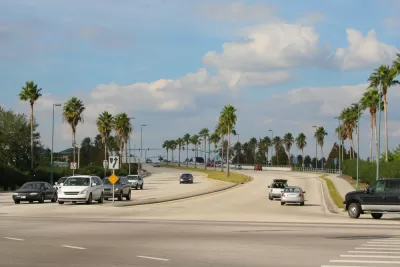
A StreetLight Data analysis of the 100 largest U.S. cities found that a series of Florida metropolitan areas saw the highest rate of pedestrian activity in 2020, reports Cailin Crowe. "Orlando-Kissimmee-Sanford, FL; Cape Coral-Fort Myers, FL; and Palm Bay-Melbourne-Titusville, FL topped the list."
While walking was already common in downtowns and large urban centers, "the rate of pedestrian activity outside of city centers saw the most dramatic changes in 2020 compared to 2019, with some pedestrian activity increasing or decreasing by 50%," explains Crowe.
According to the article, the data reflects a need among planners to adjust to the new realities of walking. Crowe also draws a parallel between these figures about increased pedestrian activity, and the ongoing challenge of pedestrian safety in many of these same locations. The Orlando-Kissimmee-Sanford, FL metro area, for example, also topped the Pedestrian Danger Index published earlier this same month by Smart Growth USA.
Read the full story: Suburbs saw drastic changes to pedestrian activity in 2020: report
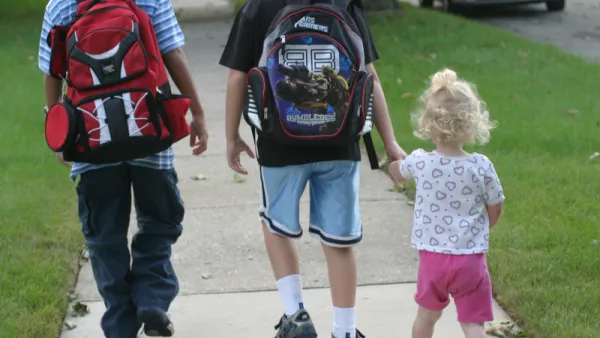
'Pedestrians First' Measures Walkability for Babies, Toddlers, Caregivers, Everyone
The ITDP's new Pedestrians First tool describes why and how to improve walking conditions, and provides comprehensive analysis of walkability for 1000 cities.
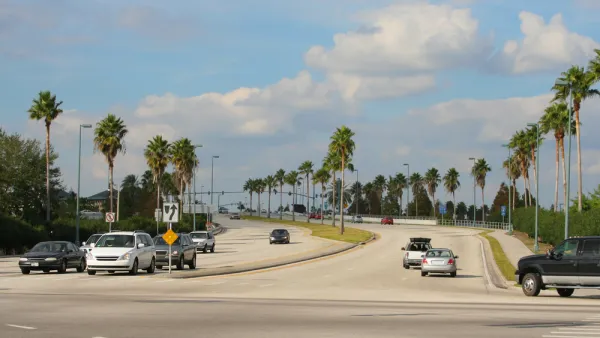
Lessons From the Most Dangerous Pedestrian Environment in the Country
The city of Orlando, Florida is examined as the worst example of the nation's pedestrian safety crisis.
Florida DOT Taking a New, Data-Driven Approach to Pedestrian Safety
The Florida Department of Transportation is trying to change the state's status as the most dangerous in the nation for pedestrians, with 5,100 people killed while walking between 2003 and 2010.

Planetizen Federal Action Tracker
A weekly monitor of how Trump’s orders and actions are impacting planners and planning in America.

California plans to bury El Niño’s downpour
If the state plays its cards right, it may be able to store a billion acre-feet of El Niño’s water in aquifers.

Desperate measures: Advocates weigh draining Lake Powell to fill Colorado River
Draining the reservoir could reduce evaporation losses by a couple hundred thousand acre-feet.

Housing is the top priority of Seattle’s sole new councilmember
Jenks campaigned on building 1,000 new units of affordable housing.

New tax cuts may slash $1.5 billion in funding for Miami transit, public parks
Amendment 3 will save Miami-Dade homeowners $2,700 in 2028.

Arizona, Wisconsin, Pennsylvania hope to finally advance climate goals post-midterms
The three states have spent years under Republican or divided control.

FREE Course: Walkable City 1: Why Walkability?
After describing his path towards focusing on walkability as the essence of good planning, Jeff Speck marches through his five principal reasons for making more walkable places.
Reinventing Malls: Planning Alchemy—Turning Gray Fields Into Gold
The course focuses on the opportunities and imperatives that shape reinvention of mall sites.

City of Rosemead
Rutgers University, Edward J. Bloustein School of Planning and Public Policy
One Hundred Miles
University of Michigan School for Environment and Sustainability (SEAS)
Hunter College, City University of New York (CUNY)
The Architects Foundation
City of Cambridge
Montrose County
The Pocatello Development Authority