A new Regional Plan Association initiative is assessing potential solutions to historic inequities in planning policy.


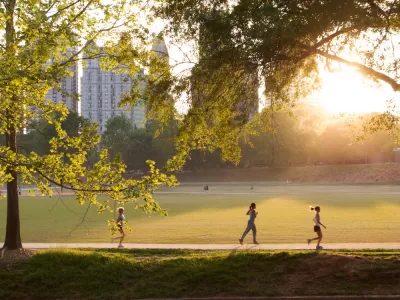
The Regional Plan Association announced the second phase of its Healthy Regions Planning Exchange program in a press release on February 18. The initiative "creates larger opportunities for communities to live full and healthy lives" through a comprehensive analysis of how planning policies have shaped health inequities in U.S. cities and programs that support local organizations in deepening their equity work. The second phase will "elevate best practices for addressing racial and health equity" and support participants in sharing resources and developing programs that "address structural inequities in transportation, housing, land use, and the environment."
The RPA "convened this national network of planners, practitioners, advocates, and community-based representatives" over the last two years to "develop solutions for reversing the impacts and influence of racism on urban planning and on cities across the US." Member organizations can learn from the experiences of other cities and explore "the intersections between the planning realms of transportation, the environment, and housing with the social determinants of health, climate justice, economy, health, trauma in the built environment and so much more." The regional partnerships started in the first phase will "effective responses to COVID-19 while beginning to address the roots of racial inequities which affect community health."
Read the full story: Regional Plan Association Announces Second Phase of Healthy Regions Planning Exchange Addressing Addressing Health Equity in Met

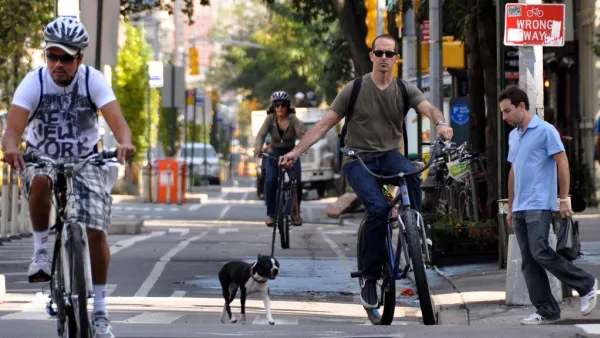
Five Borough Bikeway Plan Released
The Regional Plan Association is calling on New York City to implement an ambitious plan to transform the city into a world class city for biking—for the benefit of the public health and economic realities of the pandemic and beyond.

Bioremediation for Environmental Justice
Bioremediation uses plants, fungi, and microbes to clean up polluted land in place, offering a nature-based option for restoring contaminated sites in overburdened communities.
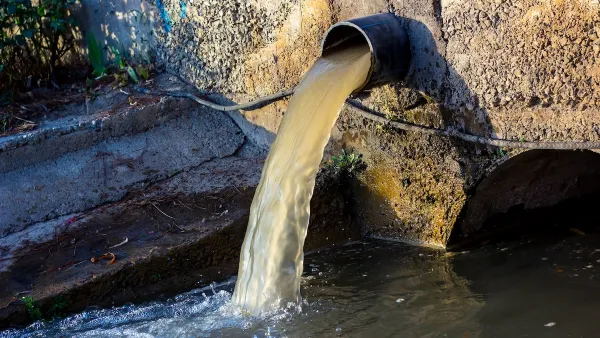
Alabama: Trump Terminates Settlements for Black Communities Harmed By Raw Sewage
Trump deemed the landmark civil rights agreement “illegal DEI and environmental justice policy.”

Planetizen Federal Action Tracker
A weekly monitor of how Trump’s orders and actions are impacting planners and planning in America.

California plans to bury El Niño’s downpour
If the state plays its cards right, it may be able to store a billion acre-feet of El Niño’s water in aquifers.

Desperate measures: Advocates weigh draining Lake Powell to fill Colorado River
Draining the reservoir could reduce evaporation losses by a couple hundred thousand acre-feet.

In Texas, data centers are swallowing promised parkland
Residents who moved to Taylor, Texas for a rural community now have to contend with three data centers in their backyard.

How a Chicago-sized wind farm beat the odds and powered on
The project spanned five presidential administrations and a standoff with a U.S. military base.

MTA gives itself 30 days to transform pit into basketball court
The site has been under construction since 2022; the city originally estimated it would finish the court in 2024.

FREE Course: Walkable City 1: Why Walkability?
After describing his path towards focusing on walkability as the essence of good planning, Jeff Speck marches through his five principal reasons for making more walkable places.
Reinventing Malls: Planning Alchemy—Turning Gray Fields Into Gold
The course focuses on the opportunities and imperatives that shape reinvention of mall sites.

City of Rosemead
Rutgers University, Edward J. Bloustein School of Planning and Public Policy
One Hundred Miles
Hunter College, City University of New York (CUNY)
The Architects Foundation
University of Cincinnati Online
City of Cambridge
Montrose County
The Pocatello Development Authority