After months of working from home, some former commuters miss the familiar routine of going to and from the office.


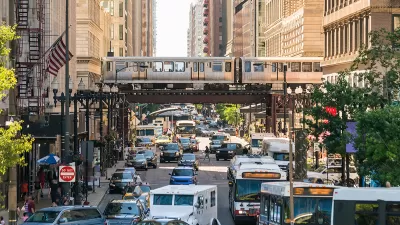
For many workers who got the opportunity to work from home during the pandemic, the shift away from office work has brought extra time, reduced stress, and savings on transportation expenses. But while no one enjoys sitting in traffic or jostling their way onto a crowded bus, some have come to realize that their commutes provided a much-needed buffer between home and work, letting them ease into their day and wind down on their way home in a neutral environment.
Whether they drove, took transit, walked, or biked, commuters of all stripes miss the time to listen to podcasts or music, read, and spend time outdoors. With their daily travel time reduced to a walk between the bedroom and kitchen, people who previously commuted by biking or walking find themselves struggling to maintain a healthy level of physical activity. Those who have small children or a busy household miss the alone time, writes Katherine Shaver.
Workers who miss their commute, however, are still a minority, and the modern work-life balance has been shifting since well before COVID-19. The post-pandemic office will surely look different, and new commute patterns will affect everything from public transit budgets to real estate to restaurants that cater to lunch crowds. As workers adjust to the increased commingling of home and work, we'll have to find new ways to ease the transition and establish healthy boundaries.
Read the full story: Months of pandemic teleworking have left some missing their commutes

US workers spend nearly an hour a day commuting
High housing costs and return-to-office policies are forcing more American workers to live farther from work, pushing the average daily commute time to nearly an hour.
US Traffic Deaths Fell by 12% in One Year. How Did it Happen?
Biden-era investment in safe streets, shifts in travel patterns brought on by the pandemic, and increased traffic enforcement are all possible reasons why traffic deaths dropped significantly between 2024 and 2025.
US Traffic Patterns are Shifting, but Car-centric Development Persists
Los Angeles, Honolulu, and San Francisco ranked among the nation’s most congested cities, while New York reduced traffic and increased transit speed and ridership thanks to its congestion pricing program.

Planetizen Federal Action Tracker
A weekly monitor of how Trump’s orders and actions are impacting planners and planning in America.

Northwest rail fans eager for Sept. 30 debut of Amtrak’s Airo fleet
Get ready for that new train smell and more seats. But they won’t go faster or run more frequently on the Cascades route in Washington and Oregon.
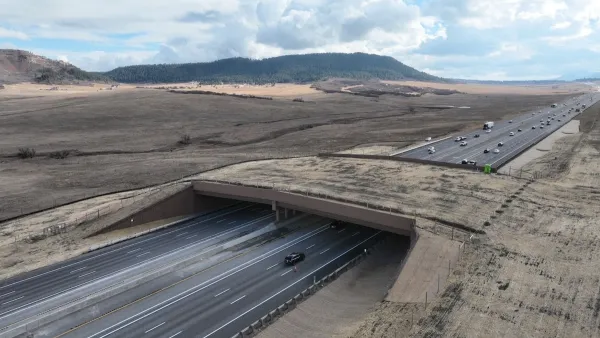
Record-breaking wildlife overpass in Colorado brings 91% reduction in animal collisions
Prior to the overpass, vehicles were hitting one deer per day on Colorado’s Interstate 25.

Detroit to transform waterfront with $2.2 billion investment
Developers will convert about 18 acres of unused parking lot space into civic spaces.

‘Going backwards:’ Baltimore mayor, students rally against state's transit funding plan
Maryland's proposed six-year plan provides no funding for Baltimore’s BMORE bus program and reduces its road maintenance funding.

Trump wants to cancel nearly 98% of funding for HUD housing support program
Multiple housing groups are suing the administration in an effort to preserve the funding.

FREE Course: Walkable City 1: Why Walkability?
After describing his path towards focusing on walkability as the essence of good planning, Jeff Speck marches through his five principal reasons for making more walkable places.
Reinventing Malls: Planning Alchemy—Turning Gray Fields Into Gold
The course focuses on the opportunities and imperatives that shape reinvention of mall sites.

City of Thousand Oaks
City of Wisconsin Rapids
Harvard University Graduate School of Design
The Architects Foundation
University of Cincinnati Online
Northern Illinois Transit Authority (NITA)
The Pocatello Development Authority
The Urban Renewal Agency of the City of Pocatello