The city wants to cut its car use in half by 2030 as part of an aggressive set of "aspirational" goals.


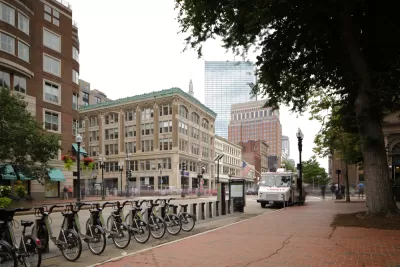
Boston's Department of Transportation is moving forward with its Connect Downtown bikeway project with new protected bike lanes which, the city hopes, will make bicycle travel "more comfortable and more possible" for Bostonians, according to the city's Chief of Streets Chris Osgood.
As part of the city's goals to combat climate change and improve transportation equity through its GoBoston 2030initiative, Boston hopes to cut citywide traffic by 50% in the next decade in part by promoting bicycling as a viable mode of transit. Other goals include expanded access to transit and safer and more reliable service, all actions that could not only boost transit ridership but vastly improve service for existing transit users.
The new bikeways connect downtown offices with existing routes to residential neighborhoods using painted lanes and flexible delineators. Streetsblog Mass offers a photo tour of the new infrastructure.
FULL STORY: Eyes On the Street: Boston’s New Downtown Protected Bike Lanes

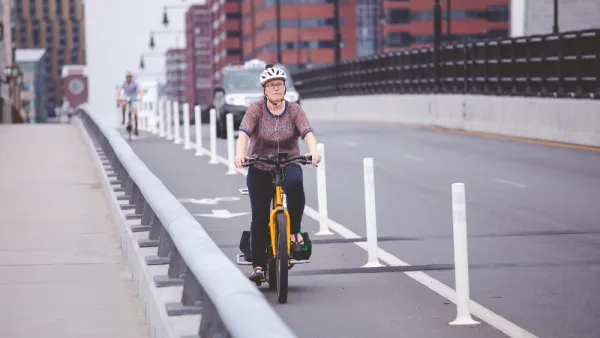
Boston Launches Ambitious Bike Plan
The city plans to dramatically expand its bike lane network, add to its bike share fleet, and provide new e-bike subsidies to residents.
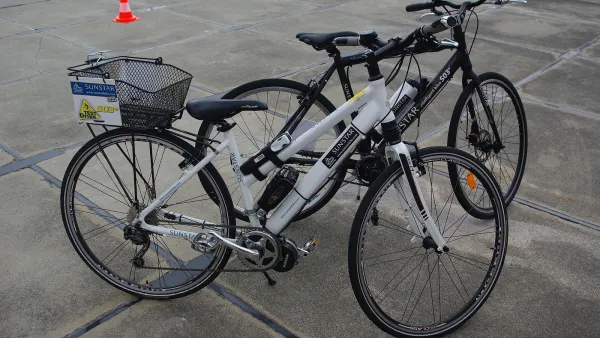
The E-Bike Boom Continues
The popularity of electric bikes doesn't seem to be waning as the devices outpace electric car sales by almost two to one.
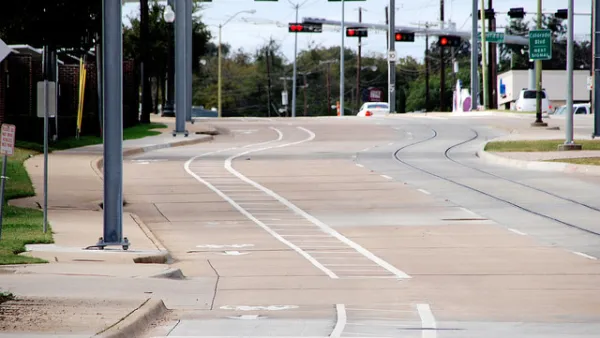
Dallas Makes First-Ever Annual Commitment to its Bike Lane Program
Dallas is making new commitments to alternative transportation options—the latest example is found in a budget expenditure for several bike lane projects.

Planetizen Federal Action Tracker
A weekly monitor of how Trump’s orders and actions are impacting planners and planning in America.

The state-sanctioned urbicide of Austin
People don’t kill cities. Freeways do.

US to reduce Colorado River water deliveries to Mexico
A new Colorado Treaty amendment reduces Mexico’s Colorado River water allocation by 250,000 acre feet.

5 New England states march closer to 800 megawatt wind energy project
Securing federal approval for the project may be complicated under the Trump administration, which has historically been hostile towards domestic wind power.

Baltimore to break ground on $50 million Transit Priority Project
The project will bring faster bus trips, safer streets and better bike connections to Baltimore.

Airbnb launches $250 million 'last-dollar financing' housing accelerator, makes first investment in Austin
The company will put $6.4 million towards affordable housing development in Texas’ capital.

FREE Course: Walkable City 1: Why Walkability?
After describing his path towards focusing on walkability as the essence of good planning, Jeff Speck marches through his five principal reasons for making more walkable places.
Reinventing Malls: Planning Alchemy—Turning Gray Fields Into Gold
The course focuses on the opportunities and imperatives that shape reinvention of mall sites.

Eagle County Government
Harvard University Graduate School of Design
Nashville Planning Department
The Architects Foundation
University of Cincinnati Online
The Pocatello Development Authority
The Urban Renewal Agency of the City of Pocatello
Journal of the American Planning Association