The city of Fort Worth is moving to a site formerly occupied by the headquarters of Pier 1.


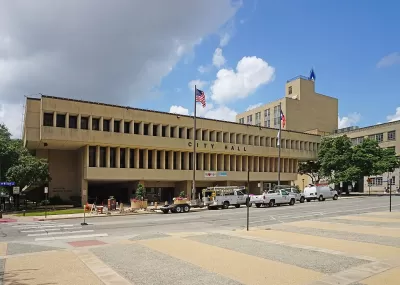
Fort Worth Mayor Betsy Price announced a plan last week to move City Hall to a location formerly occupied by the headquarters of Pier 1. The new location is on the western edge of the city's downtown.
"Mayor Betsy Price said it will save tens of millions over building a new complex, where cost estimates were running above $200 million," according to an article by CBS DFW.
The city's current facility was constructed in 1971—since then the city has been growing quickly both in terms of size and population. To build a City Hall commensurate with the city's new size and stature, the initial plan had been to build a new City Hall next to the existing structure.
According to the article, the purchase of the former Pier 1 site might prove to be more of a strategic opportunity, resulting in "cost-savings for taxpayers through an accelerated timeline, a much lower acquisition cost, reduction of long-term operating expenses and elimination of annual payments for leased facilities."
"City Hall is the daily workplace for approximately 600 City staff from 13 departments. The current City Hall will be repurposed and remain as a municipal building," according to the article.
Read the full story: City Of Fort Worth Buying Pier 1 Headquarters, Will Be New City Hall In 2022

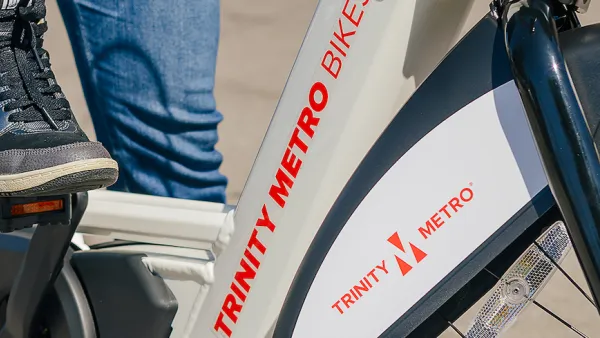
Fort Worth Relaunches Bike Share Network
The system, operated by Lyft, is made up of primarily e-bikes.
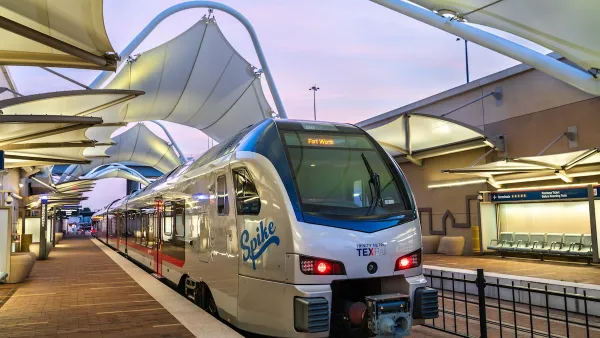
North Texas Transportation Council Advocates for Road Safety, Rail Projects
The North Texas Regional Transportation Council issued a series of recommendations for state legislators that include more support for road safety projects and high-speed rail.
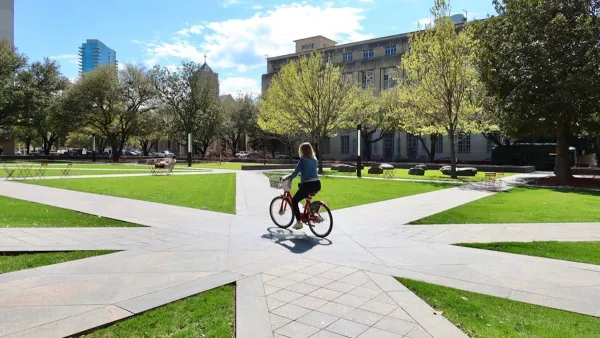
Fort Worth To Relaunch Bike Share System in January
Trinity Metro shuttered its current system at the end of November and plans to relaunch with a mostly-electric system.

Planetizen Federal Action Tracker
A weekly monitor of how Trump’s orders and actions are impacting planners and planning in America.

The state-sanctioned urbicide of Austin
People don’t kill cities. Freeways do.

US to reduce Colorado River water deliveries to Mexico
A new Colorado Treaty amendment reduces Mexico’s Colorado River water allocation by 250,000 acre feet.

Nation's most wind-powered state turns to coal as data centers increase energy demand
For the first time in decades, Iowa has increased its generation of coal power.

NYC cools commuters with city's first rain garden above a bus stop
New York City officials say the plants in the rain garden can absorb 16 gallons of rainwater during heavy storms.

Brightline West’s future may rely on $6 billion federal loan
The company has until Nov. 2 to make a $400 million equity investment into its proposed high-speed rail line.

FREE Course: Walkable City 1: Why Walkability?
After describing his path towards focusing on walkability as the essence of good planning, Jeff Speck marches through his five principal reasons for making more walkable places.
Reinventing Malls: Planning Alchemy—Turning Gray Fields Into Gold
The course focuses on the opportunities and imperatives that shape reinvention of mall sites.

.jpg)
Greater Baltimore Committee
Eagle County Government
Harvard University Graduate School of Design
The Architects Foundation
University of Cincinnati Online
The Pocatello Development Authority
The Urban Renewal Agency of the City of Pocatello
Journal of the American Planning Association