Expectations that the economic downturn of the COVID-19 pandemic will create a wave of homeowners leaving the market, whether by choice or necessity, are driving big acquisitions by private equity firms and Wall Street investors.


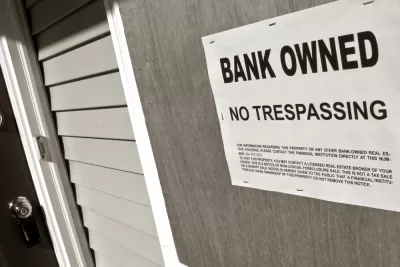
With so many Americans housing rich and cash poor, Wall Street interests are ready to pounce, like they did in the wake of the Great Recession.
The skyrocketing home values of the past decade mean that many Americans are flush with equity and watching housing prices continue to sore as inventory tightens during the pandemic. Many of those same Americans are also facing unemployment and economic uncertainty, temporary harbored by eviction and foreclosure moratoriums that will eventually expire, with expensive bills attached.
According to an article by Ryan Dezember, the situation is a "potential bonanza" for rental-home investors. "Since the coronavirus pandemic began, big single-family landlords have raised billions of dollars for homebuying sprees," according to Dezember.
"The most house-hungry of these investors are the rental companies formed a decade ago to gobble up foreclosed homes by the thousands. They were expanding before the pandemic, wagering on a permanent suburban rental class. The economic distress brought by the lockdown has only made investors more excited about such companies’ prospects." According to Dezember, "investors, a mix of individuals and investment firms that have been buying more than one in every 10 homes sold in the U.S. over the past decade."
Big names and big dollar figures populate the tally provided by Dezember to assess the specifics of Wall Street's interest in single-family rental properties:
Investors have bought nearly $900 million of new shares sold by the two largest rental companies since the pandemic began. Other home-rental operations have also sold nearly $6 billion of rent-backed bonds, including three deals presently in the market, according to Akshay Maheshwari of Kroll Bond Rating Agency.
Beyond that, investment firms Blackstone Group Inc., Koch Industries Inc., J.P. Morgan Asset Management and Brookfield Asset Management Inc. have each made nine-figure investments in single-family rental companies eyeing expansion.
There has been some political action to counteract the Wall Street land grab that this article predicts. Elizabeth Warren co-authored an opinion piece published in August that called for federal legislation to protect homeowners and renters from the coming wave of foreclosures and evictions and for additional federal legislation that would prevent the sale of delinquent mortgages to private equity firms. The California State Legislature also approved a law this year called "Homes for Homeowners, Not Corporations" (AB 1079). According to an opinion piece written in August by the author of that bill, State Senator Nancy Skinner (D-Berkeley), the bill prohibits bundling, which corporations have commonly employed to buy large amounts of foreclosed houses at once.
FULL STORY: Millions Are House-Rich but Cash-Poor. Wall Street Landlords Are Ready. [Paywall]

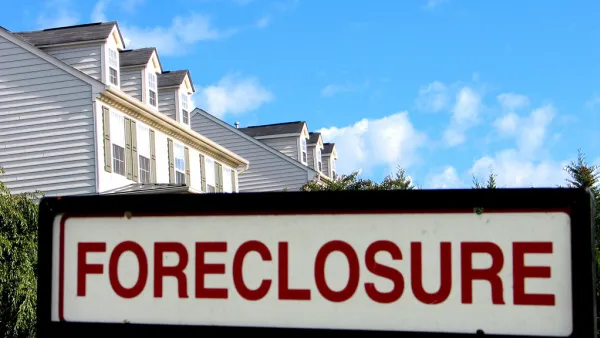
Protecting Distressed Real Estate From Private Equity
Elizabeth Warren and Carroll Fife warn about the potential for the worst housing market outcomes of the real estate and financial crisis of 2008 to repeat without action from federal and state lawmakers.

Lessons from the Last Housing Crisis: How to Get Control of Properties
How to keep affordable apartments and single-family homes out of the hands of institutional investors if the coronavirus pandemic leads to a giant wave of evictions and foreclosures.
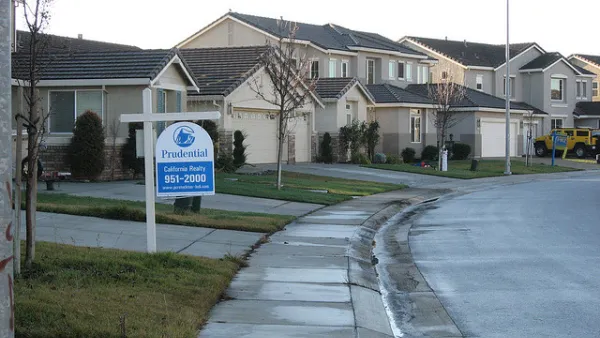
When Wall Street Controls the Housing Market
A debate about the effect of the increasing footprint of large, institutional investors in the housing market is further fragmenting the politics of development in the United States.

The state-sanctioned urbicide of Austin
People don’t kill cities. Freeways do.

US to reduce Colorado River water deliveries to Mexico
A new Colorado Treaty amendment reduces Mexico’s Colorado River water allocation by 250,000 acre feet.

New Jersey’s second-largest city bans standalone data centers
Jersey City will continue to allow co-location facilities, such as those meant for research institutions that store their own data.

Amtrak not solely to blame for New Jersey commuter rail's unreliability, report finds
A new study from the Garden State Initiative found that NJ Transit’s budget grew 20% across a 4 year period, but reliability declined significantly over the same period.

EPA erases limits on planet-warming pollution from power plants
Under Monday’s plan, power plants would still have some limits on how much mercury, arsenic and other contaminants they can emit.

Phoenix announces new on-demand transit service, more frequent RAPID buses
Both new services will launch in October, and are part of Phoenix's Project Effective Access Solutions for Easing Congestion.

FREE Course: Walkable City 1: Why Walkability?
After describing his path towards focusing on walkability as the essence of good planning, Jeff Speck marches through his five principal reasons for making more walkable places.
Reinventing Malls: Planning Alchemy—Turning Gray Fields Into Gold
The course focuses on the opportunities and imperatives that shape reinvention of mall sites.

Eagle County Government
Harvard University Graduate School of Design
Nashville Planning Department
The Architects Foundation
University of Cincinnati Online
The Pocatello Development Authority
The Urban Renewal Agency of the City of Pocatello
Journal of the American Planning Association