A prominent consequence of the stay-at-home orders and social distancing of the Covid-19 pandemic in the United States has been a dramatic surge in the popularity of bike transportation.


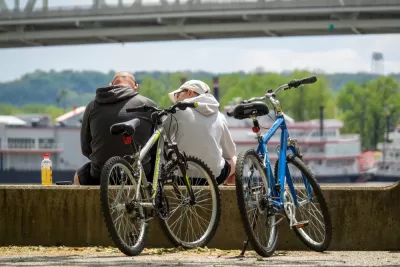
"Since the coronavirus pandemic took hold in March, a cycling boom has been under way across the US," according to an article by Miranda Bryant.
Data backs up anecdotal evidence from Denver, Philadelphia, New York City, and Oakland of a massive mode shift underway:
The National Association of City Transport Officials (NACTO) says they are seeing an “explosion in cycling” in many American cities. Eco-Counter, which collects bike data, reports that bicycle counts have “significantly increased” across most of North America compared to usual. In the two weeks to 4 May, it found the US region with the most growth was the south-west, which was up by over 100%.
The question of whether the trend toward active transportation will persist as stay-at-home orders are lifted and people return to their normal commute and trip-taking routines is still to be determined, but one source quoted in the article says that any long-term growth in people riding bikes could be considered a silver lining in this public health and economic crisis.
FULL STORY: Cycling 'explosion': coronavirus fuels surge in US bike ridership

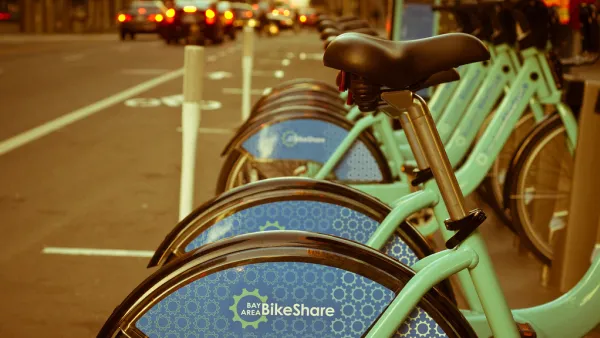
Bike Share Lessons From the Pandemic
Bike share data from six U.S. cities offer insight into how Americans have changed travel patterns during the pandemic.

A Love Letter to the Bicycle
Riding a bicycle is not only a coping mechanism; it's also a way to protect ourselves during the coronavirus pandemic.
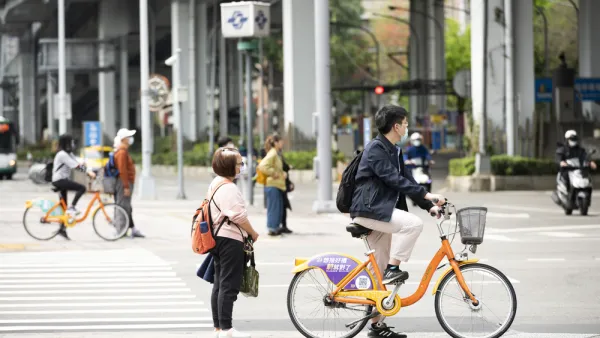
Bikes Gain Popularity as People Ditch Subways and Buses
Bike counts and bike share rides are increasing in two of the country's largest cities as commuters look for transportation modes that allow for physical distancing.

The state-sanctioned urbicide of Austin
People don’t kill cities. Freeways do.

US to reduce Colorado River water deliveries to Mexico
A new Colorado Treaty amendment reduces Mexico’s Colorado River water allocation by 250,000 acre feet.

New Jersey’s second-largest city bans standalone data centers
Jersey City will continue to allow co-location facilities, such as those meant for research institutions that store their own data.

Amtrak not solely to blame for New Jersey commuter rail's unreliability, report finds
A new study from the Garden State Initiative found that NJ Transit’s budget grew 20% across a 4 year period, but reliability declined significantly over the same period.

EPA erases limits on planet-warming pollution from power plants
Under Monday’s plan, power plants would still have some limits on how much mercury, arsenic and other contaminants they can emit.

Phoenix announces new on-demand transit service, more frequent RAPID buses
Both new services will launch in October, and are part of Phoenix's Project Effective Access Solutions for Easing Congestion.

FREE Course: Walkable City 1: Why Walkability?
After describing his path towards focusing on walkability as the essence of good planning, Jeff Speck marches through his five principal reasons for making more walkable places.
Reinventing Malls: Planning Alchemy—Turning Gray Fields Into Gold
The course focuses on the opportunities and imperatives that shape reinvention of mall sites.

Eagle County Government
Harvard University Graduate School of Design
Nashville Planning Department
The Architects Foundation
University of Cincinnati Online
The Pocatello Development Authority
The Urban Renewal Agency of the City of Pocatello
Journal of the American Planning Association