The pandemic has raised alarms about density. Post-pandemic, urban planners should fight more passionately than ever for progressive principles that make cities more equitable, pleasant, and, yes, healthy.


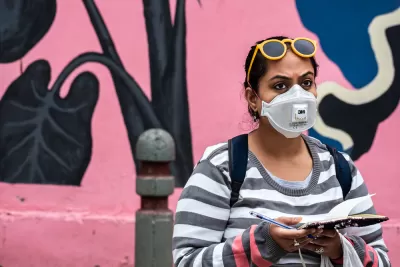
"This crisis is a failure of many things. It is a failure of public health policy. It is a failure of information dissemination. It's arguably a failure of foreign policy. It’s definitely a failure of procurement. It is a failure of leadership at the highest levels. But it is not a failure of urban planning. And don’t let anyone tell you differently."
"To prepare for the next pandemic we can stock up on ventilators and masks. We can invest in virology research. We can draft pandemic action plans and quarantine guidelines. We can shelter at home sooner. We can choose not disband the federal Pandemic Response Team."
"Many planners are low-key sorts, happy to focus on details and the often-quiet work of policymaking. In the post-covid19 world, low-key isn’t going to cut it. COVID is a crisis, but it’s also a call to arms. Planners will have to explain, more forcefully and proactively than ever, why density is good."
Read the full story: Planners Should Not Let Density Debate Infect Their Work

Light at the End of the Tunnel Reveals the Work to Come
The latest edition of an ongoing compendia of articles trying to make sense of the deep uncertainties of the pandemic—and what it all means for the future of cities.
'Never Let a Good Crisis Go to Waste' and Planning in the Pandemic
The latest in a series of compendia collecting news and commentary focusing on the complexities of the COVID-19 pandemic's effect on communities.
Haves and Have Nots: Planning and the Deep Divides of the Pandemic
The latest in a series of compendia gathering news and analysis about the effects of the COVID-19 on the built and natural environments—now and long into the future.

Planetizen Federal Action Tracker
A weekly monitor of how Trump’s orders and actions are impacting planners and planning in America.

The state-sanctioned urbicide of Austin
People don’t kill cities. Freeways do.

US to reduce Colorado River water deliveries to Mexico
A new Colorado Treaty amendment reduces Mexico’s Colorado River water allocation by 250,000 acre feet.

Nation's most wind-powered state turns to coal as data centers increase energy demand
For the first time in decades, Iowa has increased its generation of coal power.

NYC cools commuters with city's first rain garden above a bus stop
New York City officials say the plants in the rain garden can absorb 16 gallons of rainwater during heavy storms.

Brightline West’s future may rely on $6 billion federal loan
The company has until Nov. 2 to make a $400 million equity investment into its proposed high-speed rail line.

FREE Course: Walkable City 1: Why Walkability?
After describing his path towards focusing on walkability as the essence of good planning, Jeff Speck marches through his five principal reasons for making more walkable places.
Reinventing Malls: Planning Alchemy—Turning Gray Fields Into Gold
The course focuses on the opportunities and imperatives that shape reinvention of mall sites.

Greater Baltimore Committee
Eagle County Government
Harvard University Graduate School of Design
The Architects Foundation
University of Cincinnati Online
The Pocatello Development Authority
The Urban Renewal Agency of the City of Pocatello
Journal of the American Planning Association