Some motorists see open roads as an opportunity for stress relief. Transportation officials urge motorists to slow down, citing dramatically increased rates of speeding since the onset of the pandemic.



Recent data from transportation analytics company Inrix shows a 41% decrease in nationwide traffic compared to pre-pandemic figures. That drop is even greater in the nation's most populous cities with data showing a 50% decrease in Los Angeles and a 60% reduction in New York.
To the lament of transportation officials, this staggering drop in vehicle miles traveled does not translate to an equal decrease in auto-collisions which decreased a disproportionate 21% in the United States. "Reckless driving has increased dramatically since March, leading to a disproportionate number of speed-related crashes and fatalities, according to law enforcement and traffic experts," reports Luz Lazo.
Lazo points out that there are psychological reasons for increased reports of drag racing, reckless driving, and speeding (average speed doubled in many cities). A few factors are at play: open roads lead to faster-moving traffic and the opportunity to speed, a chance many drivers aren't willing to pass up for the sake of public safety. Researchers also find that more people are taking to the roads despite shelter-in-place mandates. Some drivers are combating boredom by taking joyrides, finding relief in the excitement and adrenaline rush that comes along with speeding. One psychologist compares the experience to a drug.
Public health officials urge drivers to slow down. As Lazo puts it, "hospitals are stressed, people are dying from the virus and a preventable crash would add another burden to first responders."
FULL STORY: The coronavirus pandemic emptied America’s roadways. Now speeders have taken over.

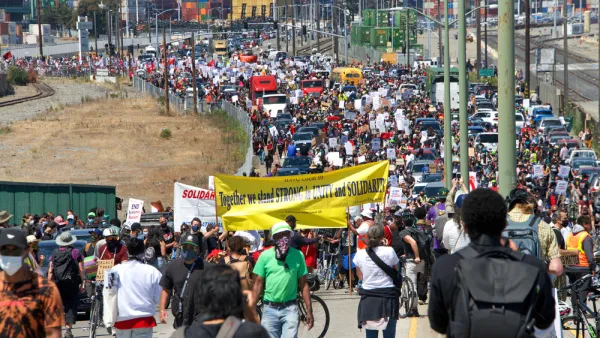
How Oakland Is Fixing its Pandemic Planning Equity Problem
The Oakland Slow Streets program, one of the most controversial developments of the early pandemic, has evolved to become the Essential Places initiative, thanks to new planning practices and a commitment to equity in Oakland, California.
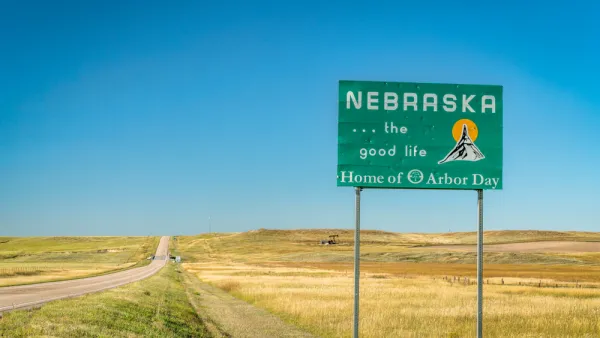
Traffic Returns to Normal in Nebraska
Rural traffic has recovered from COVID-19 lows earlier in the year and has even surpassed historic averages, according to the case study supplied by the state of Nebraska.
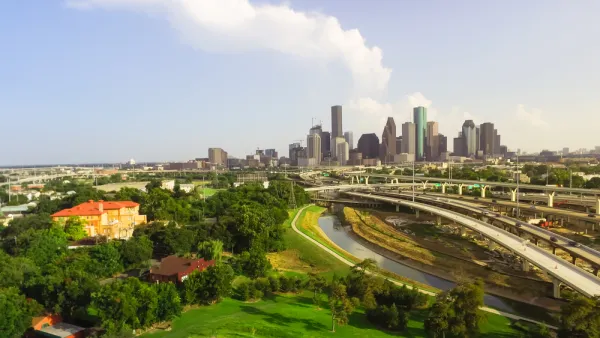
Connecting Traffic, Air Quality, and Coronavirus Spread
Early in the pandemic, bike sales soared and vehicle miles traveled plummeted. As people have been driving more, more people have also been infected with the novel coronavirus.

The state-sanctioned urbicide of Austin
People don’t kill cities. Freeways do.

US to reduce Colorado River water deliveries to Mexico
A new Colorado Treaty amendment reduces Mexico’s Colorado River water allocation by 250,000 acre feet.

New Jersey’s second-largest city bans standalone data centers
Jersey City will continue to allow co-location facilities, such as those meant for research institutions that store their own data.

Amtrak not solely to blame for New Jersey commuter rail's unreliability, report finds
A new study from the Garden State Initiative found that NJ Transit’s budget grew 20% across a 4 year period, but reliability declined significantly over the same period.

EPA erases limits on planet-warming pollution from power plants
Under Monday’s plan, power plants would still have some limits on how much mercury, arsenic and other contaminants they can emit.

Phoenix announces new on-demand transit service, more frequent RAPID buses
Both new services will launch in October, and are part of Phoenix's Project Effective Access Solutions for Easing Congestion.

FREE Course: Walkable City 1: Why Walkability?
After describing his path towards focusing on walkability as the essence of good planning, Jeff Speck marches through his five principal reasons for making more walkable places.
Reinventing Malls: Planning Alchemy—Turning Gray Fields Into Gold
The course focuses on the opportunities and imperatives that shape reinvention of mall sites.

Eagle County Government
Harvard University Graduate School of Design
Nashville Planning Department
The Architects Foundation
University of Cincinnati Online
The Pocatello Development Authority
The Urban Renewal Agency of the City of Pocatello
Journal of the American Planning Association