Three new projects will help provide a better sense of the economic and societal effects of the pandemic.



The Census Bureau is launching three new data collection projects to fill a need for accurate, real-time data on the U.S. population and economy during the COVID-19 coronavirus.
An article by Jane Callen for Census.gov explains:
Today, the Census Bureau is launching the Household Pulse Survey. Later this week, the Small Business Pulse Survey will begin. Both will provide weekly measures of the impact of the coronavirus pandemic on U.S. households and businesses.
The move comes just weeks after the Census Bureau rolled out a weekly, more localized version of its Business Formation Statistics (BFS) to address the nation’s need for accurate, current information on the health of U.S. businesses.
More details on each of the projects are available in the article. Meanwhile, the Census Bureau is struggling to keep the biennial Census on track, already proposing delays in the final delivery date of that Constitutionally mandated process.
Read the full story: Pulse Surveys, Business Formation Statistics Will be Updated Weekly

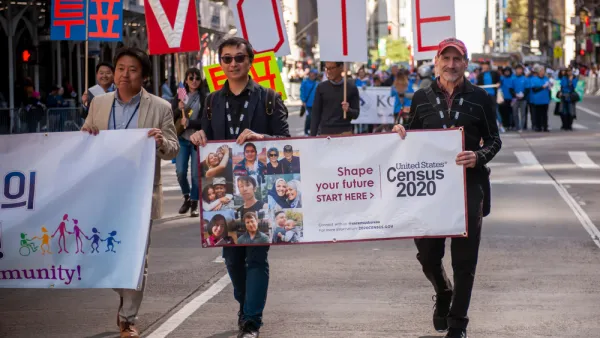
Another Delay for the Census: Now Expected for September Delivery
The pandemic and political mismanagement are continuing to have an effect on the 2020 Census.
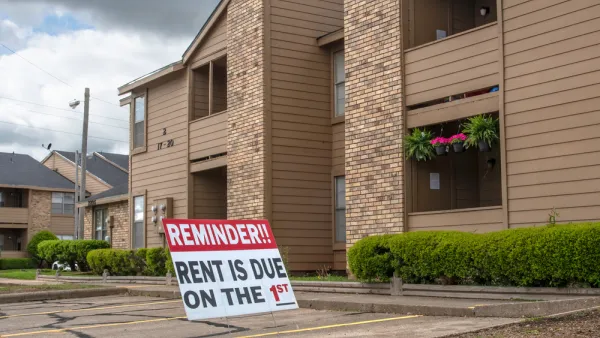
Tracking the COVID-19 Eviction Crisis
Advocates have sounded alarms since the pandemic's outset about the potential for unprecedented waves of evictions as Americans deal with the economic consequences of the pandemic, but authoritative real-time data on the rental market is lacking.
Trump Decides to Cut the 2020 Census Short
The pandemic delayed the 2020 Census, and the Trump administration will cut it short. Experts say this could be the most flawed Census in the country's history.

Planetizen Federal Action Tracker
A weekly monitor of how Trump’s orders and actions are impacting planners and planning in America.

The state-sanctioned urbicide of Austin
People don’t kill cities. Freeways do.

US to reduce Colorado River water deliveries to Mexico
A new Colorado Treaty amendment reduces Mexico’s Colorado River water allocation by 250,000 acre feet.

Nation's most wind-powered state turns to coal as data centers increase energy demand
For the first time in decades, Iowa has increased its generation of coal power.

NYC cools commuters with city's first rain garden above a bus stop
New York City officials say the plants in the rain garden can absorb 16 gallons of rainwater during heavy storms.

Brightline West’s future may rely on $6 billion federal loan
The company has until Nov. 2 to make a $400 million equity investment into its proposed high-speed rail line.

FREE Course: Walkable City 1: Why Walkability?
After describing his path towards focusing on walkability as the essence of good planning, Jeff Speck marches through his five principal reasons for making more walkable places.
Reinventing Malls: Planning Alchemy—Turning Gray Fields Into Gold
The course focuses on the opportunities and imperatives that shape reinvention of mall sites.

Greater Baltimore Committee
Eagle County Government
Harvard University Graduate School of Design
The Architects Foundation
University of Cincinnati Online
The Pocatello Development Authority
The Urban Renewal Agency of the City of Pocatello
Journal of the American Planning Association