In Manila and the San Francisco Bay Area, the severe impacts of rising sea levels are indisputable. But the only similarities are that both places face very uncertain futures.


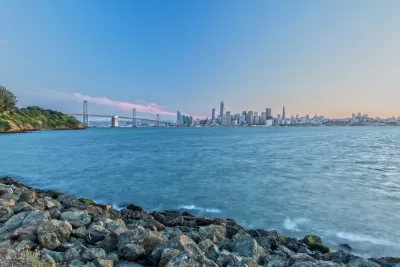
In a multimedia piece, reporter Somini Sengupta and photographer Chang W. Lee look at the threats, challenges, and responses to climate change in two very different places: Manila and the San Francisco Bay Area.
"In both places, it turns out, how you face the rising sea depends mostly on the accident of your birth: Whether you were born rich or poor, in a wealthy country or a struggling one, whether you have insurance or not, whether your property is worth millions or is little more than a tin roof," says Sengupta.
Climate change is affecting Manila’s most vulnerable residents especially hard, the result of decades of poor land use planning throughout the metropolitan area. "Storms repeatedly sweep away spindly-legged bamboo and tin houses on the water. People flee for a while, only to come back because they have nowhere better to go," writes Sengupta.
In the Bay Area, addressing rising sea levels is complicated by politics and high property values, Sengupta points out. "Unlike Manila, Bay Area municipalities are wealthy. And many of them are already paying handsomely to fortify high-value coastal infrastructure at risk."
The situations in Manila and the Bay Area highlight the difficult questions that remain about the best responses to climate change in coastal areas, says Sengupta. "They could adapt to the rising tide, which could mean moving people out of harm’s way. Or, they could try to force the water to adapt to their needs by raising their defenses."
FULL STORY: A Crisis Right Now: San Francisco and Manila Face Rising Seas

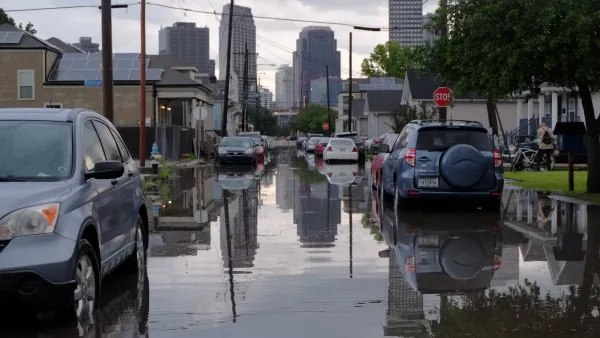
Study: New Orleans sea level rise is at 'point of no return'
Research shows that the city could be surrounded by water by the end of this century.
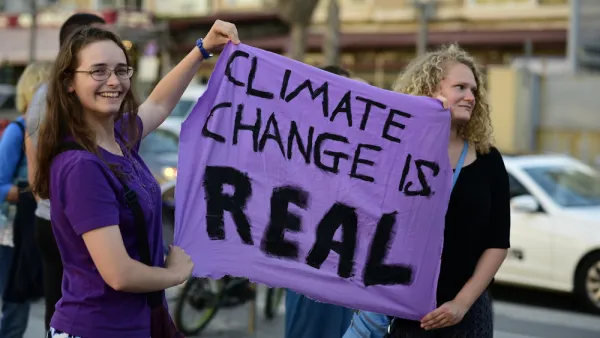
How Cities Can Support Climate Adaptation
In the face of federal cuts to climate resilience funding, a panel at ULI’s Resilience Summit offered suggestions for maintaining managed retreat and other climate adaptation programs.
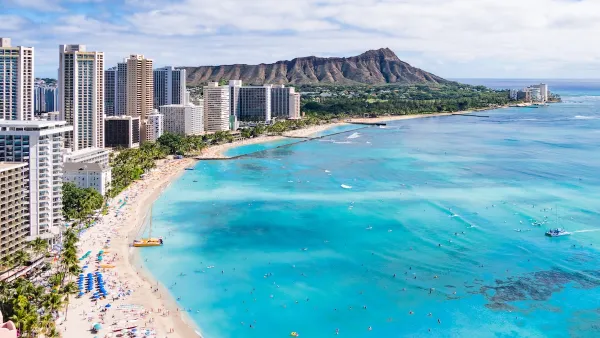
Rising Above: Innovative Solutions for Waikīkī’s Sea-Level Challenges
The University of Hawaiʻi at Mānoa’s award-winning Waikīkī sea-level rise adaptation project combines science, architecture, and community input to create scalable solutions for climate resilience and coastal flood mitigation.

The state-sanctioned urbicide of Austin
People don’t kill cities. Freeways do.

US to reduce Colorado River water deliveries to Mexico
A new Colorado Treaty amendment reduces Mexico’s Colorado River water allocation by 250,000 acre feet.

New Jersey’s second-largest city bans standalone data centers
Jersey City will continue to allow co-location facilities, such as those meant for research institutions that store their own data.

Amtrak not solely to blame for New Jersey commuter rail's unreliability, report finds
A new study from the Garden State Initiative found that NJ Transit’s budget grew 20% across a 4 year period, but reliability declined significantly over the same period.

EPA erases limits on planet-warming pollution from power plants
Under Monday’s plan, power plants would still have some limits on how much mercury, arsenic and other contaminants they can emit.

Phoenix announces new on-demand transit service, more frequent RAPID buses
Both new services will launch in October, and are part of Phoenix's Project Effective Access Solutions for Easing Congestion.

FREE Course: Walkable City 1: Why Walkability?
After describing his path towards focusing on walkability as the essence of good planning, Jeff Speck marches through his five principal reasons for making more walkable places.
Reinventing Malls: Planning Alchemy—Turning Gray Fields Into Gold
The course focuses on the opportunities and imperatives that shape reinvention of mall sites.

Eagle County Government
Harvard University Graduate School of Design
Nashville Planning Department
The Architects Foundation
University of Cincinnati Online
The Pocatello Development Authority
The Urban Renewal Agency of the City of Pocatello
Journal of the American Planning Association