Dating back to a tradition begun in the 1630s, public meetings are an essential part of the political systems, and planning processes, of U.S. cities. Public meetings are also broken, according to this article.


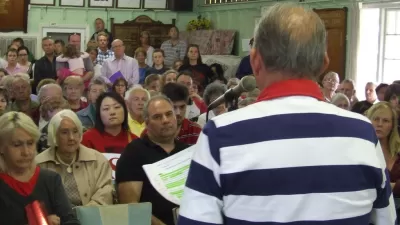
Patrick Sisson writes on the subject of public meetings—surely a favorite subject of planners all over the Unite States. Public meetings are broken, pronounces the headline of the article, and there are plenty of anecdotes to back up the claim.
Sisson starts with a short history of public meetings, before sharing numerous studies that present evidence of the unrepresentative reality of public meetings, despite the democratic intentions of such gatherings, and describes the roots of the problems plaguing public meetings around the country.
Sisson also includes recommendations for solving the root problems with public meetings, citing the expertise and experience of professionals from the Greater Good Studio. Another big question examined in the article is whether public meetings, and by extension local control, is a useful tool for planning and democracy at all.
Looking for more anecdotes on the state of public meetings in U.S. cities, Sisson is also requesting contributions at #worstpublicmeeting on Twitter. Responses can also be found in the replies on the tweet below.
Neighborhood meetings, a cornerstone of local democracy & planning, can be biased, unrepresentative & devolve into screaming matches. I spoke w/experts to hear why they're broke & how to fix them. Tell me your meeting horror stories #worstpublicmeeting https://t.co/GXZppK2CsY
— Patrick Sisson (@patrickcsisson) February 12, 2020
FULL STORY: Public meetings are broken. Here’s how to fix them.

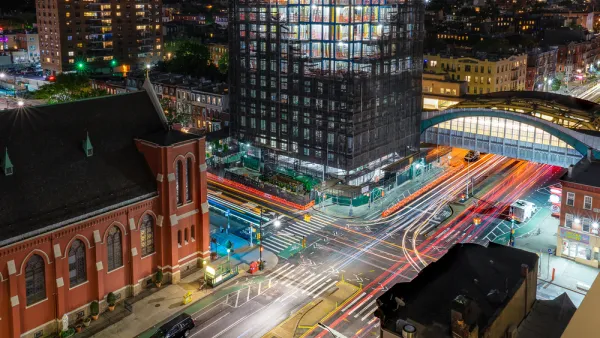
Lawsuit Challenges Zoom Hearings on Gowanus Rezoning Plan
Planning departments relying on online public hearing processes will want to keep monitor this lawsuit in New York City.
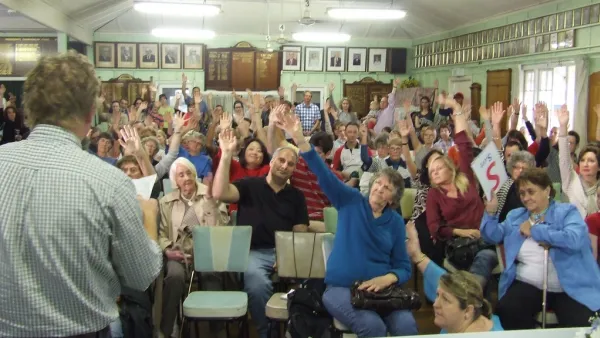
It's Time to Move On From Community Consensus
Public meetings often disprove the notion that communities have a unified stance on any issue. With this in mind, we must move past trying to find consensus and focus on uplifting the most marginalized voices.
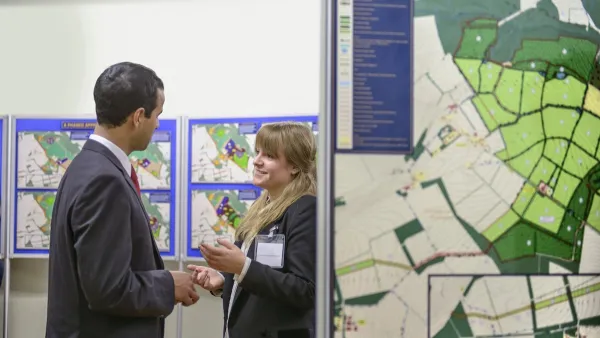
The Problem With Outsourcing Public Engagement
Why hiring outside consultants to represent public works projects at meetings often misses the point of having public officials hear community concerns.

Planetizen Federal Action Tracker
A weekly monitor of how Trump’s orders and actions are impacting planners and planning in America.

The state-sanctioned urbicide of Austin
People don’t kill cities. Freeways do.

US to reduce Colorado River water deliveries to Mexico
A new Colorado Treaty amendment reduces Mexico’s Colorado River water allocation by 250,000 acre feet.

Mamdani overhauls NYC's Vision Zero plan with 100 new policy goals
The overhaul aims to reduce traffic deaths and make streets safer for pedestrians, cyclists and drivers through lower speed limits, new safety infrastructure and more.

Amtrak not solely to blame for New Jersey commuter rail's unreliability, report finds
A new study from the Garden State Initiative found that NJ Transit’s budget grew 20% across a 4 year period, but reliability declined significantly over the same period.

EPA erases limits on planet-warming pollution from power plants
Under Monday’s plan, power plants would still have some limits on how much mercury, arsenic and other contaminants they can emit.

FREE Course: Walkable City 1: Why Walkability?
After describing his path towards focusing on walkability as the essence of good planning, Jeff Speck marches through his five principal reasons for making more walkable places.
Reinventing Malls: Planning Alchemy—Turning Gray Fields Into Gold
The course focuses on the opportunities and imperatives that shape reinvention of mall sites.

Eagle County Government
Harvard University Graduate School of Design
Nashville Planning Department
The Architects Foundation
University of Cincinnati Online
The Pocatello Development Authority
The Urban Renewal Agency of the City of Pocatello
Journal of the American Planning Association