Representation
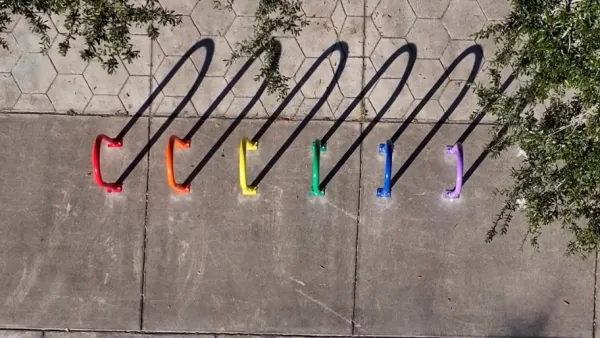
The cities resisting rainbow bans
When the Trump administration went after colorful crosswalk treatments, some cities found creative ways to fight back.
MPO Boards Don’t Reflect Their Constituencies
Metropolitan planning organizations make important transportation planning decisions, but their memberships often don’t reflect their region’s demographics.

State DOTs Don’t Resemble Their Constituencies — And That’s a Problem
Streetsblog calls attention to the lack of representation of women, people of color, and other groups in state departments of transportation that are largely dominated by white men.
Study: Renters, Women, Minorities Underrepresented in Land Use Decisions
The membership of decisionmaking bodies such as planning commissions rarely reflects the socioeconomic, gender, and racial characteristics of the local community.
Study: Transit Boards Don’t Reflect Their Ridership
Across U.S. cities, transit agency boards are overwhelmingly more suburban than their riders, causing a disconnect between decisionmakers and the people who regularly use transit.
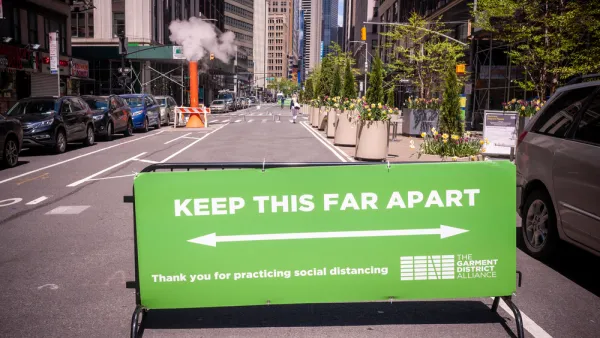
Pandemic Planning Must Reconcile With the Inequities of the Past
The ongoing debate about the role of marginalized communities in the emergency planning programs of the pandemic has now been detailed on the pages of the New York Times.
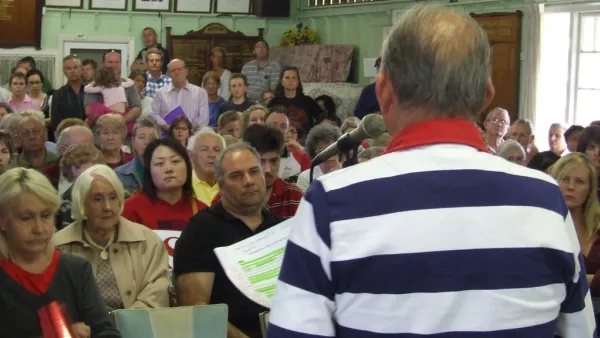
The State of Public Meetings
Dating back to a tradition begun in the 1630s, public meetings are an essential part of the political systems, and planning processes, of U.S. cities. Public meetings are also broken, according to this article.
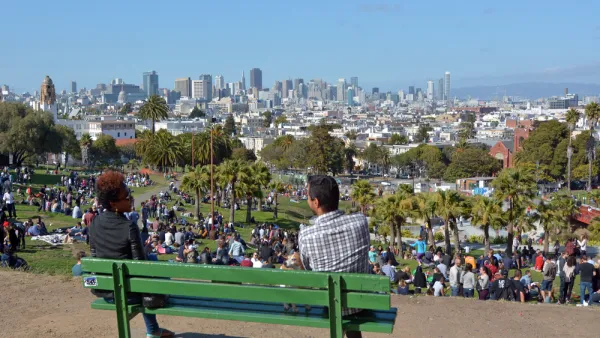
Parks of Inclusion
The people sitting, playing, and enjoying themselves in parks aren't always representative of the population that live in the communities. Here are three examples of parks that succeed at inclusion.

The Decade in Urban Planning
A look back at the biggest stories and themes from the world of urban planning in the decade that was the 2010s.
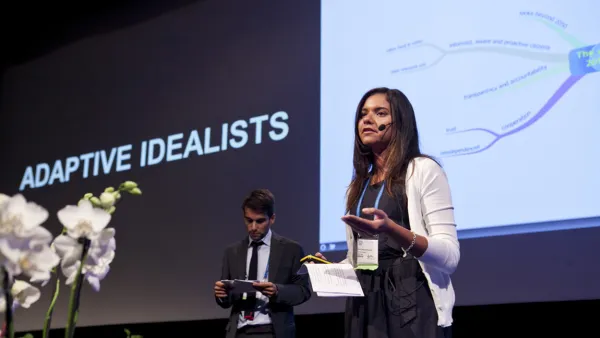
Attracting Youth of Color to the Field of Planning
A leading youth engagement in planning program, explained.

FREE Course: Walkable City 1: Why Walkability?
After describing his path towards focusing on walkability as the essence of good planning, Jeff Speck marches through his five principal reasons for making more walkable places.
Reinventing Malls: Planning Alchemy—Turning Gray Fields Into Gold
The course focuses on the opportunities and imperatives that shape reinvention of mall sites.

City of Rosemead
Rutgers University, Edward J. Bloustein School of Planning and Public Policy
One Hundred Miles
University of Michigan School for Environment and Sustainability (SEAS)
Hunter College, City University of New York (CUNY)
The Architects Foundation
City of Cambridge
Montrose County
The Pocatello Development Authority









