A state constitutional amendment from the 1950s has been used to hold back public housing, but voters could have a chance to strike it down later this year.



A California constitutional amendment, a barrier to the development of public housing, could be up for repeal. The amendment dates back to 1950, the result of backlash against the federal Housing Act of 1949, writes Louis Hansen.
"Californians added Article 34 to the state’s constitution to make it easier to derail public housing projects and preserve segregated neighborhoods, according to the bill’s authors. The article requires voters in a city or county to approve most publicly-funded, affordable housing developments," says Hansen.
While some municipalities have found workarounds to the referendum requirements, the legislation has made it more challenging to get projects off the ground, particularly in rural areas and communities with high poverty levels, adds Hansen. "Louis Mirante, legislative director for California YIMBY, said Article 34 originally targeted public housing but has stifled other types of subsidized, affordable housing development."
California voters have had the opportunity to repeal the amendment three times in the past but have voted it down. If this measure passes in the state assembly, it will appear on the ballot in November.
Read the full story: A vestige of segregation that could go before California voters next year

California Cities Continue Fight Against State Preemption
Lafayette City Council Member Susan Candell penned an op-ed in support of a lawsuit to invalidate Senate Bill 9 by four Southern California cities, highlighting a recent supportive court filing by UCLA economic geographer Michael Storper.
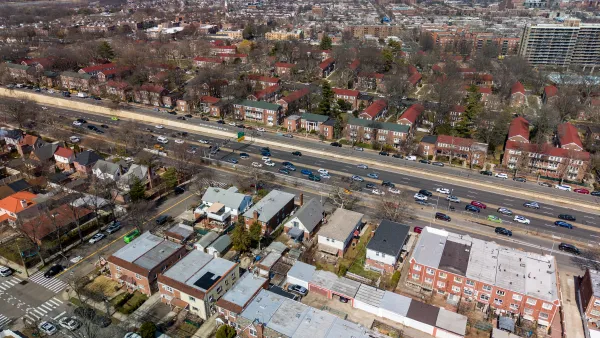
Long Island public housing applicants face longest wait times in America
Applicants to large, medium and small housing authorities in Long Beach all face exceptionally long waiting periods.
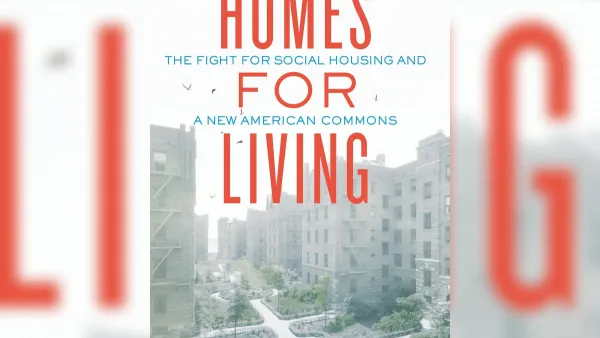
Book review: Co-ops, commons and the conundrum of cashing in on the American dream
Jonathan Tarleton’s "Homes for Living: The Fight for Social Housing and a New American Commons" shows what happens when a loophole in housing legislation opens the door to the privatization of a common good — and when an affordable home suddenly becomes a commodity.

Planetizen Federal Action Tracker
A weekly monitor of how Trump’s orders and actions are impacting planners and planning in America.

California plans to bury El Niño’s downpour
If the state plays its cards right, it may be able to store a billion acre-feet of El Niño’s water in aquifers.

Desperate measures: Advocates weigh draining Lake Powell to fill Colorado River
Draining the reservoir could reduce evaporation losses by a couple hundred thousand acre-feet.

Post election, Texas is no longer Musk’s 'AI oasis'
Elon Musk dolled out $446 million on the 2026 midterms, the most ever spent by a non-canidate.

Chicago voters approve permanent festival grounds, penalty for vacant property owners
Currently, major summer and fall festivals take over public parks for weeks at a time, drawing criticism from nearby residents

NYC votes to cut outdoor dining red tape, speed up permitting
New York City also voted to allow the Department of Transportation to begin work on urgent projects before notifying elected officials.

FREE Course: Walkable City 1: Why Walkability?
After describing his path towards focusing on walkability as the essence of good planning, Jeff Speck marches through his five principal reasons for making more walkable places.
Reinventing Malls: Planning Alchemy—Turning Gray Fields Into Gold
The course focuses on the opportunities and imperatives that shape reinvention of mall sites.

City of Rosemead
Rutgers University, Edward J. Bloustein School of Planning and Public Policy
One Hundred Miles
Hunter College, City University of New York (CUNY)
The Architects Foundation
University of Cincinnati Online
City of Cambridge
Montrose County
The Pocatello Development Authority