The eucalyptus is an exotic species in California, and studies suggest it has contributed to an increase in wildfire hazards. But defenders of the trees say the eucalyptus is just an ecological scapegoat.


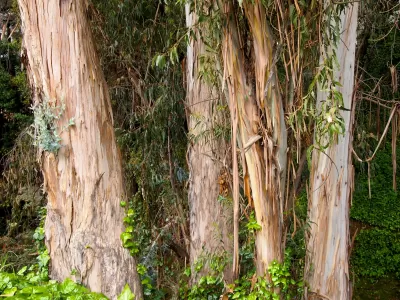
In a cartoon, journalist and illustrator Susie Cagle looks at the history of and controversy around California’s eucalyptus trees. The trees first came from Australia in the mid-1800s, and they have become an integral part of the state's ecological identity.
"But in the hills above Berkeley and Oakland, residents and agencies have been fighting over the trees and the future of the landscape at large for more than ten years, citing concerns over the repeat of the 1991 firestorm — and opposing ecological theories," says Cagle.
The eucalyptus is an invasive species that critics say has taken over ecosystems and poses a fire hazard. However, supporters say the trees keep hillsides from drying out and, as a result, leaving the trees intact makes more sense than replacing them with native vegetation.
"Decolonizing any landscape from any non-native plant is controversial work — let alone iconic, historic trees over 100 years old," notes Cagle. And the fight over the eucalyptus reflects larger issues about climate change and how communities should prepare for the coming environmental challenges.
Read the full story: Fire-starting weed or ecological scapegoat? The battle over California's eucalyptus trees

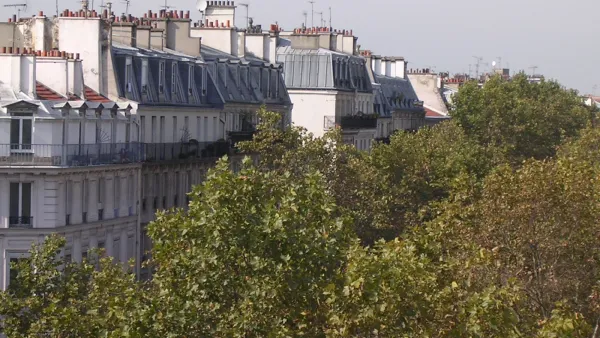
The Importance of Urban Tree Canopies
Urban trees play an essential role in making cities livable and countering the effects of climate change.
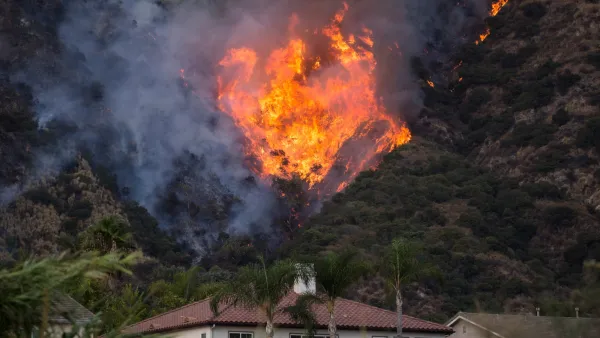
80% of California homes built between 2020-2022 are in high fire risk areas
In 2020, California wildfires destroyed nearly a fifth of homes they came in contact with.
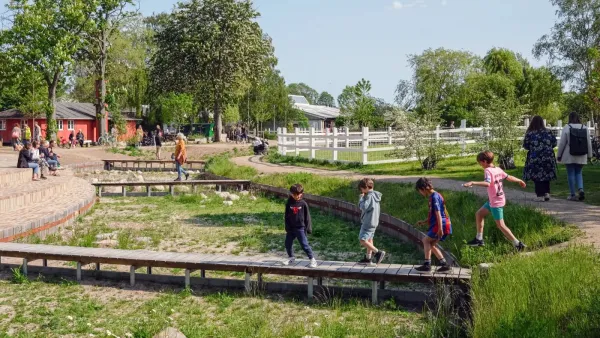
Copenhagen is losing its cool
In a city long designed to maximize light during dark Scandinavian winters, climate change is forcing the Danish capital to rethink its relationship with the sun.

Planetizen Federal Action Tracker
A weekly monitor of how Trump’s orders and actions are impacting planners and planning in America.

The state-sanctioned urbicide of Austin
People don’t kill cities. Freeways do.

US to reduce Colorado River water deliveries to Mexico
A new Colorado Treaty amendment reduces Mexico’s Colorado River water allocation by 250,000 acre feet.

Nation's most wind-powered state turns to coal as data centers increase energy demand
For the first time in decades, Iowa has increased its generation of coal power.

NYC cools commuters with city's first rain garden above a bus stop
New York City officials say the plants in the rain garden can absorb 16 gallons of rainwater during heavy storms.

Brightline West’s future may rely on $6 billion federal loan
The company has until Nov. 2 to make a $400 million equity investment into its proposed high-speed rail line.

FREE Course: Walkable City 1: Why Walkability?
After describing his path towards focusing on walkability as the essence of good planning, Jeff Speck marches through his five principal reasons for making more walkable places.
Reinventing Malls: Planning Alchemy—Turning Gray Fields Into Gold
The course focuses on the opportunities and imperatives that shape reinvention of mall sites.

Eagle County Government
Harvard University Graduate School of Design
Nashville Planning Department
The Architects Foundation
University of Cincinnati Online
The Pocatello Development Authority
The Urban Renewal Agency of the City of Pocatello
Journal of the American Planning Association