Assistant Professor of Urban Planning at Harvard and Penn IUR Scholar Sai Balakrishnan examines land transformation along India’s economic corridors.


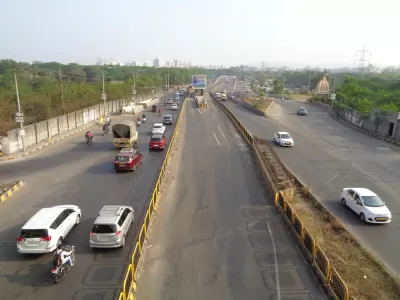
Economic corridors—ambitious infrastructural development projects that newly liberalizing countries in Asia and Africa are undertaking—are dramatically redefining the shape of urbanization. Spanning multiple cities and croplands, these corridors connect metropolises via high-speed superhighways in an effort to make certain strategic regions attractive destinations for private investment.
As policy makers search for decentralized and market-oriented means for the transfer of land from agrarian constituencies to infrastructural promoters and urban developers, the reallocation of property control is erupting into volatile land-based social conflicts. Sai Balakrishnan argues that some of India's most decisive conflicts over its urban future will unfold in the regions along the new economic corridors where electorally strong agrarian propertied classes directly encounter financially powerful incoming urban firms.
Read the full story: Land Transformation Along Urban Corridors in India


New Research Builds Evidence for Zoning Reform
Cityscape has published a collection of new research building support for zoning reforms as a tool for mitigating the effects of the housing affordability crisis.

Upzoning Modestly Increases Housing Supply and Affordability, Study Says
A new study by researchers at the Urban Institute finds new evidence that upzoning produces housing supply and reduces costs, while downzoning does the opposite.
Analysis of Downtown Recoveries Reveals Post-Pandemic Winners and Losers
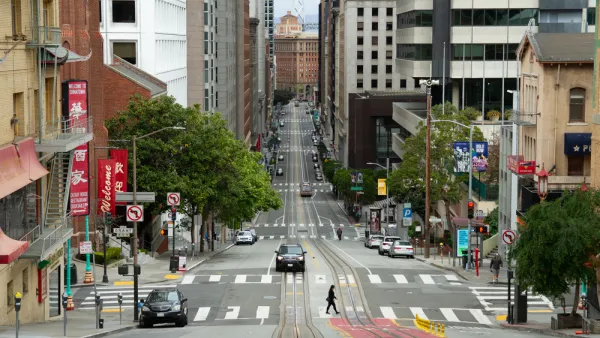
The recovery of U.S. downtowns is happening at widely different paces depending on which city you consider.

Planetizen Federal Action Tracker
A weekly monitor of how Trump’s orders and actions are impacting planners and planning in America.

The state-sanctioned urbicide of Austin
People don’t kill cities. Freeways do.

Colorado’s Largest Data Center Could Rise Next to Homes — Without a Public Hearing
The proposed campus would consume 11 times the power of Denver International Airport; as it has across the country, opposition mounts.

Nation's most wind-powered state turns to coal as data centers increase energy demand
For the first time in decades, Iowa has increased its generation of coal power.

NYC cools commuters with city's first rain garden above a bus stop
New York City officials say the plants in the rain garden can absorb 16 gallons of rainwater during heavy storms.

Brightline West’s future may rely on $6 billion federal loan
The company has until Nov. 2 to make a $400 million equity investment into its proposed high-speed rail line.

FREE Course: Walkable City 1: Why Walkability?
After describing his path towards focusing on walkability as the essence of good planning, Jeff Speck marches through his five principal reasons for making more walkable places.
Reinventing Malls: Planning Alchemy—Turning Gray Fields Into Gold
The course focuses on the opportunities and imperatives that shape reinvention of mall sites.

Greater Baltimore Committee
Eagle County Government
Harvard University Graduate School of Design
The Architects Foundation
University of Cincinnati Online
The Pocatello Development Authority
The Urban Renewal Agency of the City of Pocatello
Journal of the American Planning Association