In many cities, people are living in places that are hard to locate. But accurate census counts are crucial to ensuring cities get their fair share of political power and funding.


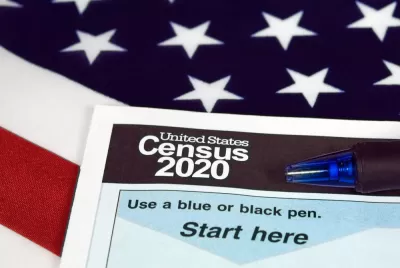
Emily Badger reports on concerns about undercounting in the 2020 census and the importance of capturing the right numbers. The problems are particularly acute in places with immigrant communities and large numbers of relocated residents, such as New York and California. Locating residents living in converted garages or temporary housing situations can be challenging since these units are often unmarked or hidden.
"Cities must find all these households before they even get to the second challenge: persuading the people who live in them, many of them immigrants, to participate in the census," says Badger. Residents fearful of immigration raids and deportation are harder to reach and less inclined to speak with census workers.
But accurate counts are essential since federal funding and access to resources are tied to population numbers. “City officials [in San Jose, California,] believe the 2010 count of 945,942 residents missed as many as 70,000 residents, costing the city about $20 million annually in lost resources,” notes Badger.
Read the full story: Extra Doorbells, Satellite Dishes: How Cities Search for People the Census May Miss

DOT withholds $73M from New York over immigrant trucking licenses
The Trump administration is requiring states to revoke the CDLs of non-domiciled drivers without proof of citizenship or risk losing federal funds.
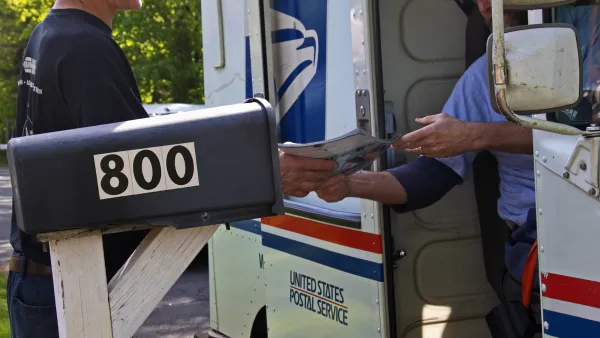
US Census Starts Using Postal Workers as Census Takers
A test program is using postal carriers to administer Census questionnaires.
Two Lawsuits Aim to Strip Immigrants, Privacy Protections From US Census
The two cases could have major impacts on how Americans are counted in the next census.

Planetizen Federal Action Tracker
A weekly monitor of how Trump’s orders and actions are impacting planners and planning in America.

Amtrak, CN end decades-long dispute with eight-year agreement
The new operating agreement establishes an updated framework for the companies to work together, including processes to resolve disputes.

Northwest rail fans eager for Sept. 30 debut of Amtrak’s Airo fleet
Get ready for that new train smell and more seats. But they won’t go faster or run more frequently on the Cascades route in Washington and Oregon.

Trump administration unlawfully slashed $7 billion in clean energy grants, judge rules
The Environmental Protection Agency ended the Solar For All program, which provided the grants, after President Donald Trump’s inauguration.

Record-breaking wildlife overpass in Colorado brings 91% reduction in animal collisions
Prior to the overpass, vehicles were hitting one deer per day on Colorado’s Interstate 25.

California lawmakers approve just 5% of much-needed LA28 transportation funding
State legislators appear just as unwilling as Trump to pay for Olympics-related transportation projects.

FREE Course: Walkable City 1: Why Walkability?
After describing his path towards focusing on walkability as the essence of good planning, Jeff Speck marches through his five principal reasons for making more walkable places.
Reinventing Malls: Planning Alchemy—Turning Gray Fields Into Gold
The course focuses on the opportunities and imperatives that shape reinvention of mall sites.

City of Thousand Oaks
City of Wisconsin Rapids
Harvard University Graduate School of Design
The Architects Foundation
University of Cincinnati Online
The Pocatello Development Authority
The Urban Renewal Agency of the City of Pocatello