Development interest is flocking to Avondale, a mostly Black neighborhood with relatively high poverty rates in Cincinnati.


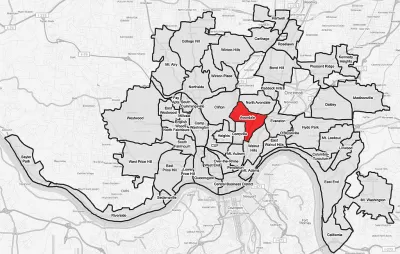
Residents of Cincinnati's Avondale are concerned that the neighborhood could be turning into the city's next Over-the-Rhine—a hip historic neighborhood and an epicenter of urban revitalization and gentrification.
Avondale has a long way to go before it can be considered a hot bed of affluence, according to this article by Lisa Smith. "Avondale has more than 2,000 abandoned homes, and renters comprise 75% of the population." The neighborhood is also home to the city's largest population of African-Americans, and has historically faced a lack of investment compared to other parts of the city.
With "much of the neighborhood's future is still uncharted," as described by Smith, neighborhood leaders are being proactive to the potential for change, drafting a 100-page Quality of Life Plan, intended for approval by the Avondale Community Council and the city.
While the neighborhood prepares for the coming change, development dollars are already pouring in. Among the projects in the development pipeline are a $43 million mixed-use development including 75,000 square feet of commercial space and an innovation district.
FULL STORY: Avondale tries to control growth: 'They see Over-the-Rhine and they see it coming this way'

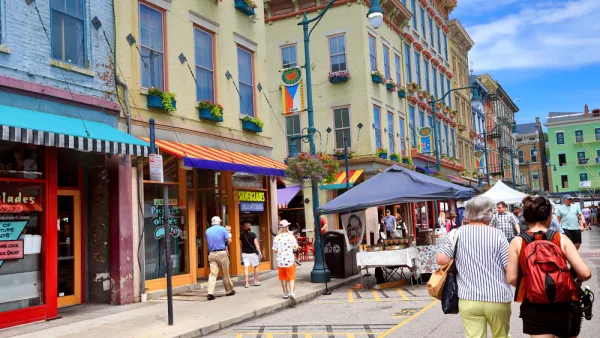
Black Residents Leaving Cincinnati's Fast Growing Urban Area
The housing market in the neighborhood of Over-the-Rhine is a 'segregation machine.'
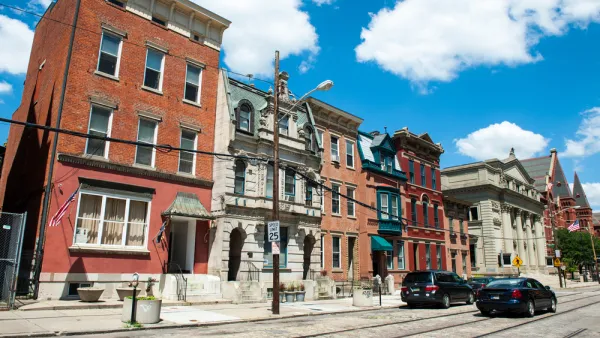
Uneven Redevelopment on Cincinnati's Vine Street
While the southern end of the thoroughfare is seeing rapid redevelopment and gentrification, the northern end has yet to reap any benefits from the nearby projects.
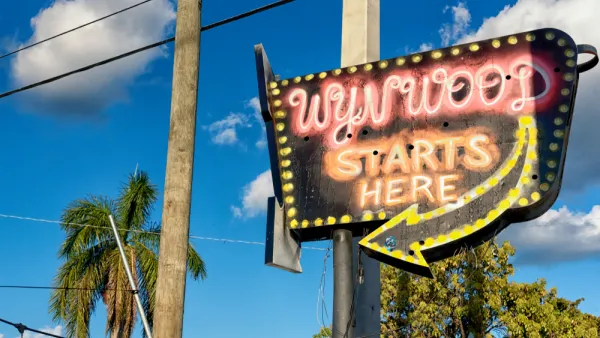
Revitalization Without Displacement: A New Model From Miami
Upzonings in working class neighborhoods usually provoke political opposition based on concerns about gentrification and displacement. But the new Wynwood Norte Neighborhood Revitalization District in Miami might have worked for a solution.

Planetizen Federal Action Tracker
A weekly monitor of how Trump’s orders and actions are impacting planners and planning in America.

The state-sanctioned urbicide of Austin
People don’t kill cities. Freeways do.

US to reduce Colorado River water deliveries to Mexico
A new Colorado Treaty amendment reduces Mexico’s Colorado River water allocation by 250,000 acre feet.

Brightline West’s future may rely on $6 billion federal loan
The company has until Nov. 2 to make a $400 million equity investment into its proposed high-speed rail line.

LA Metro’s ultimatum: no extra buses for LA28 if federal funding isn’t imminently secured
If Metro does not provide additional buses, LA28 organizers will have to find a new way to manage Olympic traffic. LA28’s budget does not include a line item for transit.

Colorado’s Largest Data Center Could Rise Next to Homes — Without a Public Hearing
The proposed campus would consume 11 times the power of Denver International Airport; as it has across the country, opposition mounts.

FREE Course: Walkable City 1: Why Walkability?
After describing his path towards focusing on walkability as the essence of good planning, Jeff Speck marches through his five principal reasons for making more walkable places.
Reinventing Malls: Planning Alchemy—Turning Gray Fields Into Gold
The course focuses on the opportunities and imperatives that shape reinvention of mall sites.


Eagle County Government
Harvard University Graduate School of Design
Nashville Planning Department
The Architects Foundation
University of Cincinnati Online
The Pocatello Development Authority
The Urban Renewal Agency of the City of Pocatello
Journal of the American Planning Association