Three years after passing a $256 million housing bond, city officials in Portland, Oregon, report that over 1,400 units of affordable housing will result from planned and completed projects.



Officials in Portland, Oregon, recently announced six new affordable housing projects that will be funded through the housing bond that voters approved in 2016. "Mayor Ted Wheeler hailed the progress as having exceeded the goals laid out to voters when the bond was first approved nearly three years ago — and another $45 million remains available for future projects," writes Elliot Njus.
The city has shifted its strategy in that time as well, writes Njus. "Rather than building or buying its own buildings to operate as public housing and carrying full freight, Portland is now helping fund projects by private developers, many of which brought other funding to the table."
The city is also focusing more on new construction projects rather than purchasing and converting buildings to affordable housing. In addition, working with private affordable housing developers has allowed the Portland Housing Bureau to provide funding to a number of projects that were facing significant funding gaps, and this funding will allow the projects to move along more quickly, notes Njus.
FULL STORY: With new projects, Portland declares it’s on track to meet housing bond’s goals

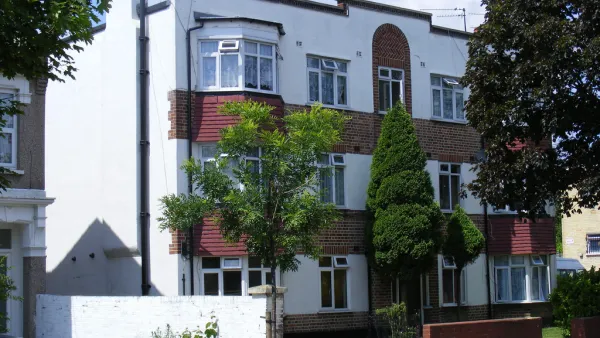
This Start-Up Takes (Some) of the Hassle Out of Renting
Entrepreneur Tyrone Poole's Oregon start-up matches prospective tenants with rental units they qualify for, eliminating legwork and application fees.
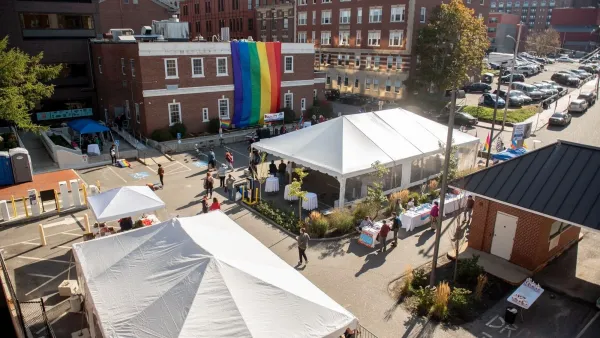
Portland unveils Maine’s first affordable housing complex for LGBTQ+ seniors
The building earmarks 11 units for people with disabilities or living with HIV/AIDS.

Portland Affordable Condo Project Offers a Path to Homeownership, but is it a Long-term Solution?
The project's affordability currently rests on temporary subsidies and market goodwill. For tenants who can’t buy—and future buyers looking for affordability—the risks are significant.

Planetizen Federal Action Tracker
A weekly monitor of how Trump’s orders and actions are impacting planners and planning in America.

The state-sanctioned urbicide of Austin
People don’t kill cities. Freeways do.

US to reduce Colorado River water deliveries to Mexico
A new Colorado Treaty amendment reduces Mexico’s Colorado River water allocation by 250,000 acre feet.

5 New England states march closer to 800 megawatt wind energy project
Securing federal approval for the project may be complicated under the Trump administration, which has historically been hostile towards domestic wind power.

Baltimore to break ground on $50 million Transit Priority Project
The project will bring faster bus trips, safer streets and better bike connections to Baltimore.

Airbnb launches $250 million 'last-dollar financing' housing accelerator, makes first investment in Austin
The company will put $6.4 million towards affordable housing development in Texas’ capital.

FREE Course: Walkable City 1: Why Walkability?
After describing his path towards focusing on walkability as the essence of good planning, Jeff Speck marches through his five principal reasons for making more walkable places.
Reinventing Malls: Planning Alchemy—Turning Gray Fields Into Gold
The course focuses on the opportunities and imperatives that shape reinvention of mall sites.

Eagle County Government
Harvard University Graduate School of Design
Nashville Planning Department
The Architects Foundation
University of Cincinnati Online
The Pocatello Development Authority
The Urban Renewal Agency of the City of Pocatello
Journal of the American Planning Association