Current zoning restrictions hearken back to an America that long longer exists. It’s time to update codes and stop perpetuating housing segregation and inequality.



Sara C. Bronin argues that outdated elements of zoning codes limit the kind of housing that communities across the country truly need. She points out that the way zoning laws define family—as people related through blood, marriage, or adoption ties—is one of the biggest problems:
The definition of family matters because zoning codes typically have a "one family per housing unit" policy. These policies are most strictly enforced in the neighborhoods with single-unit detached homes — 64 percent of neighborhoods, according to the 2013 American Housing Survey. It’s in these communities where housing affordability tends to be low, and racial segregation high.
As a result, zoning codes prohibit groups of people who want to cohabitate for any of a multitude of social or financial reasons, says Bronin. "In other words, the communal living arrangement in 'The Golden Girls' would be a zoning violation. (Dorothy and Sophia were related, but Blanche and Rose were not.)"
While progress has been made in some cities and states to recognize "functional families," much more change needs to happen, says Bronin. She urges presidential candidates to more directly address the issue and propose solutions in their housing plans.
"Championing this issue would promote progressive ideals. And it could unite both sides of the political aisle. Conservatives may come to realize that limited definitions of family erode property rights and freedom of association in the home," adds Bronin.
FULL STORY: The Golden Girls Would Violate Zoning Laws

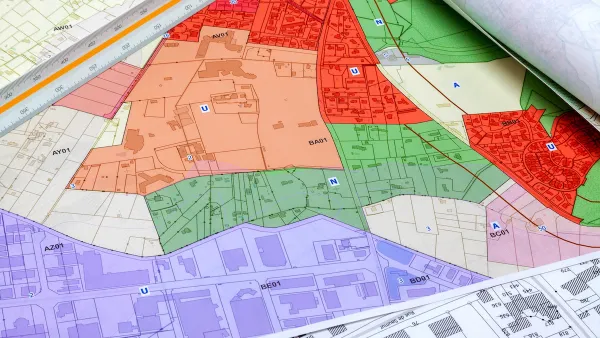
How a National Zoning Atlas Can Clarify a Legal Patchwork
A massive effort is underway to compile local zoning regulations and other laws that impact how and where housing is built.

Low-Barrier Motel Shelter Is a Success—But Not an Easy One
Many guests at Motels4Now are on their second or third stays—but staff say that's doesn't equal failure, and the numbers bear that out.

West Virginia Tackles Vacancy With Tax Reform
The Center for Community Progress made recommendations for tax reform in West Virginia to address vacancy. Guided by CCP's suggestions, the state auditor’s office has passed two laws to change its tax sales process and keep properties in use.

Planetizen Federal Action Tracker
A weekly monitor of how Trump’s orders and actions are impacting planners and planning in America.

The state-sanctioned urbicide of Austin
People don’t kill cities. Freeways do.

US to reduce Colorado River water deliveries to Mexico
A new Colorado Treaty amendment reduces Mexico’s Colorado River water allocation by 250,000 acre feet.

5 New England states march closer to 800 megawatt wind energy project
Securing federal approval for the project may be complicated under the Trump administration, which has historically been hostile towards domestic wind power.

Baltimore to break ground on $50 million Transit Priority Project
The project will bring faster bus trips, safer streets and better bike connections to Baltimore.

Airbnb launches $250 million 'last-dollar financing' housing accelerator, makes first investment in Austin
The company will put $6.4 million towards affordable housing development in Texas’ capital.

FREE Course: Walkable City 1: Why Walkability?
After describing his path towards focusing on walkability as the essence of good planning, Jeff Speck marches through his five principal reasons for making more walkable places.
Reinventing Malls: Planning Alchemy—Turning Gray Fields Into Gold
The course focuses on the opportunities and imperatives that shape reinvention of mall sites.

Eagle County Government
Harvard University Graduate School of Design
Nashville Planning Department
The Architects Foundation
University of Cincinnati Online
The Pocatello Development Authority
The Urban Renewal Agency of the City of Pocatello
Journal of the American Planning Association